
His mother was raped and murdered, and at the age of three the Russians hanged him — yet he survived
She lay naked on the couch, raped, her neck broken, a noose around it; beside her hung her three-year-old son. When they took him down from the rope, the child's body had already turned blue and he was not breathing, yet he was brought back to life — and a year later he said three words that make one's heart clench.
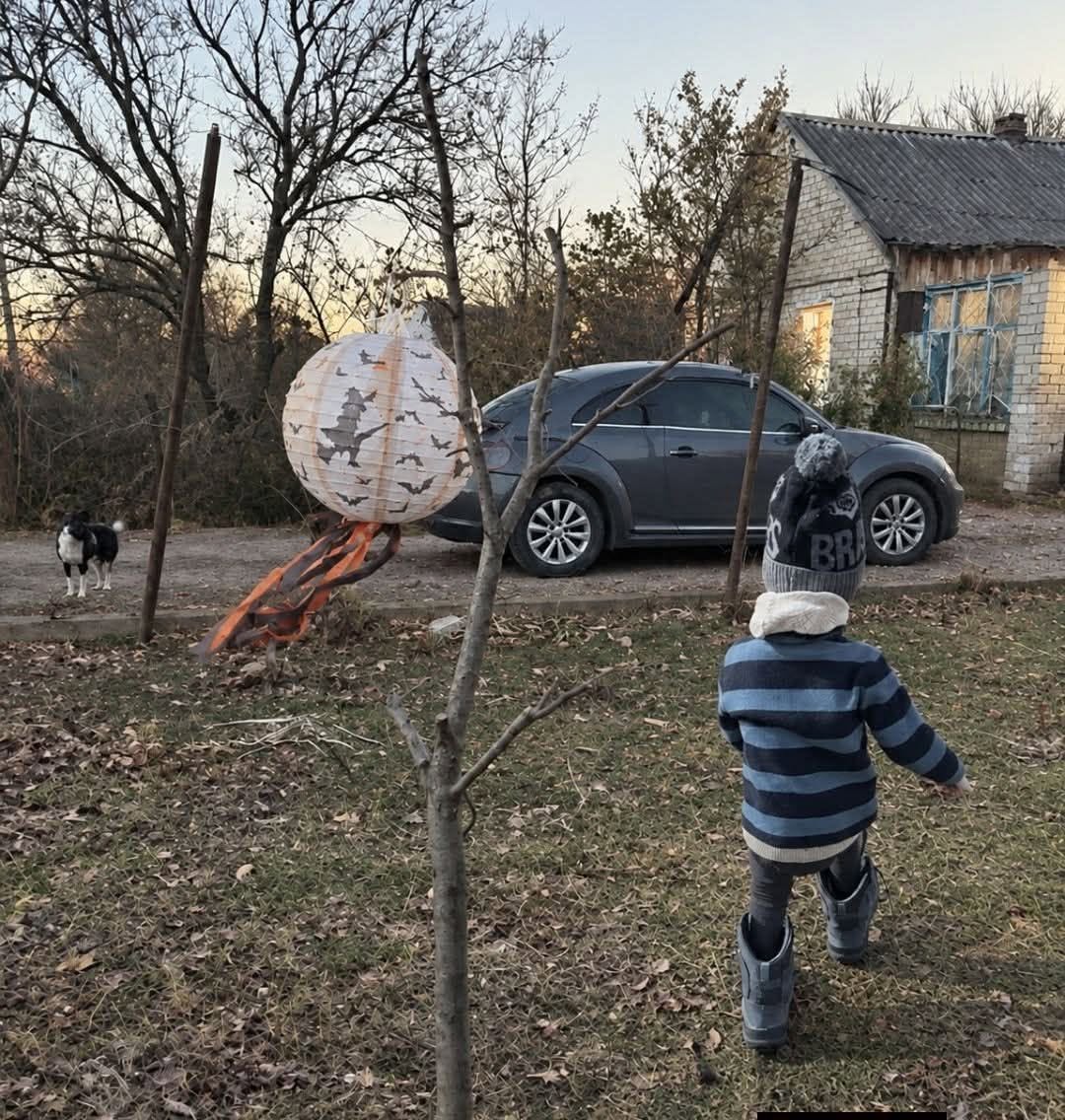
On June 20, 2022, around two in the morning, a soldier's wife still managed to send her husband a message from a village in occupied Kherson region: "Someone is breaking down the door." The man's brother arrived at the house an hour later, found the gate locked, and climbed over the fence. The front door had almost been torn off its hinges, one window was broken, but nothing had been stolen.
They hadn't come to rob.
They had come to kill.
In the room, his sister-in-law lay on the couch. The twenty-eight-year-old woman had been stripped, raped and brutally beaten; her head was twisted unnaturally, her neck broken, and there was a noose around it — beside her, they found her three-year-old son also hanged. The child had likewise been beaten, and at least ten cigarettes had been stubbed out on his face. The rope had been pulled so tightly around his neck that his aunt tried to tear it off with her own nails until her fingers began to bleed. The little boy had turned blue, his head swollen from edema, and he was no longer breathing. His aunt screamed at him in desperation:
"Breathe! Live! Because I won't be able to bear this. I'll lie down next to you, and I'll die too."
She began chest compressions — afraid she might break his ribs, but she kept going because there was no other option. The child finally took a breath again.
The little boy watched his mother being murdered, and his mother, in turn, saw her child being tortured. The window was broken, and several people in the area heard what was happening in the house, but afterward no one dared speak of it. For three weeks after that, the aunt tried to keep the boy alive and prepare him for escape from occupied Kherson. She waited until the burns on the child's face and the marks from the rope on his neck had healed somewhat. What couldn't be covered with clothing, she covered with makeup, fearing that at the checkpoints the signs of torture would be recognized and they would be killed on the spot.
At the hospital, they were warned:
"If they start detaining people, run. Half the hospital is occupied by FSB agents."
The woman forged documents on her phone using Photoshop so she could take the boy with her as her own child. They had to pass through thirty Russian checkpoints. At one of them, a soldier pressed a gun to her temple. The Russians debated whether to kill them on the spot.
"Let's finish these off," said one.
"Ah, that's enough for me for today," the other replied.
"I can handle it," the first one answered.
The man wore a wedding ring on his finger. Perhaps a wife and children were waiting for him at home too, yet he was ready to shoot a woman and a three-year-old child in the car.
The escape took three days. The woman pressed the pedals with one leg, since the other was paralyzed; at the Ukrainian screening point, a young officer asked her if there was anyone in the car who had survived torture.
"Yes."
"Is anyone wounded?"
"Yes."
"Has anyone been tortured?"
"Yes."
When she showed him the three-year-old boy, the young officer burst into tears and was unable to continue the conversation.
In Odesa, doctors determined that the child had suffered clinical death and suffocation, had developed cerebral edema, had an injured wrist joint and jaw, and had lost eight teeth. For a time he completely lost his ability to speak, his muscles had atrophied, and his speech development had regressed by about a year. Today he lives with his aunt in Odesa; he can speak again, attends kindergarten and sees a speech therapist, and is learning to swim. He knows that his mother is no longer alive. A year after the events, one evening he went out into the yard, pointed up at the sky, and said only this:
"Moon, sky, mom."
The boy's father is a soldier. When the woman and the child arrived in Odesa, he found them in a deeply broken state. Command granted him two weeks to stay with them.
"He could have been discharged and become his son's guardian. But he didn't. Because he's a patriot. Because he keeps fighting," said the woman who saved the boy.
The investigation is still ongoing, so the aunt cannot reveal either her own name or the child's. However, she wants the world to know their story, because this is not the only case of its kind. Once the left bank of Kherson region is liberated, many more similar stories may come to light.
Did you like this article?
Support our work with a small donation
Secure payment via Stripe • Min. 2 EUR
Gesta recommendations:
Árpád Antal is shouting on Facebook again, with a conspicuous lack of groundwork
The UDMR's background institute has thrown in the towel, and is now drawing up the illustrative material with that.
Reform or Eyewash? Monday Will Reveal Whether the PSD Came to Govern or Just to Promise
Sorin Grindeanu is convening the PSD leadership on Monday morning. According to Mediafax, the meeting comes just as the debate over pensions and wages is unfolding, and for the first time the party must answer, alone, without a coalition partner, how much money the country has and what it will spend it on. What's worth watching?
Meloni: cyberattacks and bomb threats show that more money is needed for defense
On Friday in Verona, during a break at the Fieracavalli international horse fair, Italian Prime Minister Giorgia Meloni told journalists that Europe needs to increase its defense and security spending. In her view, civilian infrastructure today is threatened not by distant dangers but by attacks that can be felt in everyday life.

Expressions Apple blocks: dictator Trump, Tibetan independence and Russian troop deployment
The iPhone keyboard blocks nearly one hundred thousand words and expressions in about thirty languages when a user tries to type them using the faster swipe-typing feature, and the list includes not only vulgar and offensive words but also political expressions.
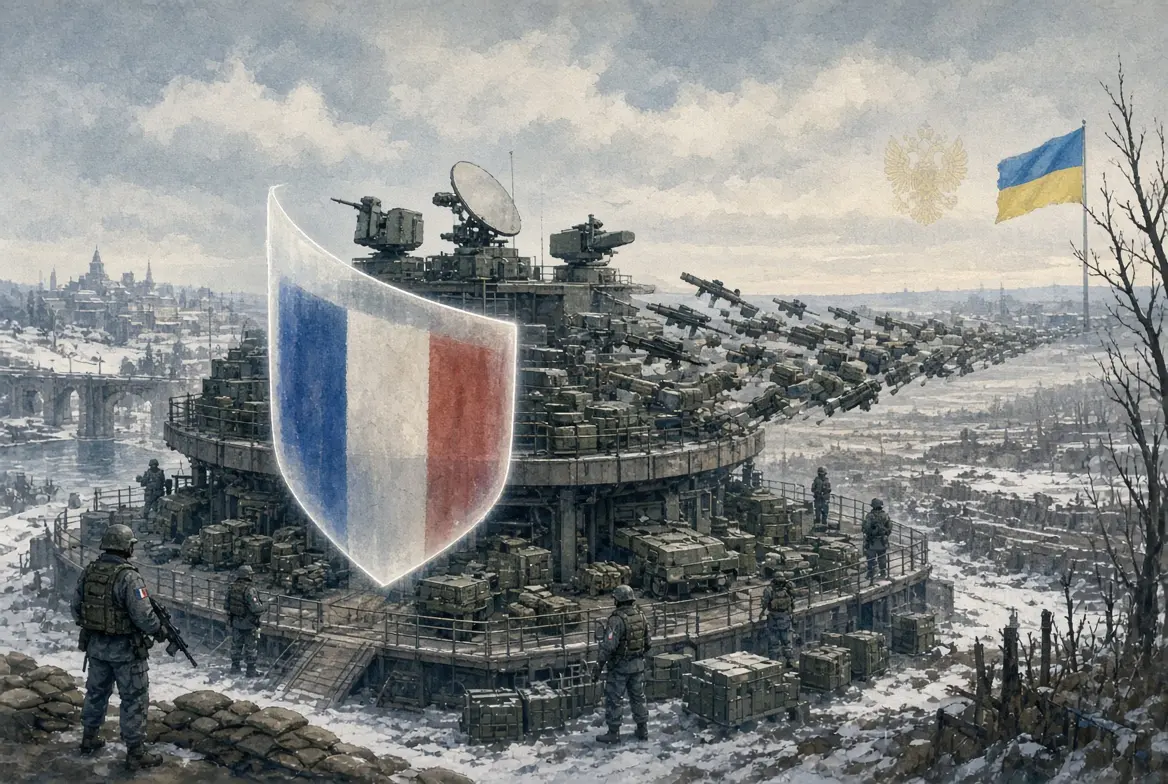
From January, the French will defend the weapons hub destined for Ukraine
From January 1, 2027, France will take over air defense of the Rzeszów area in southeastern Poland, home to the most important logistics hub for Western military aid destined for Ukraine. French ambassador to Warsaw Étienne de Poncins told journalists on Friday, November 6, that "from January 1, France will take over air defense in the Rzeszów area within the framework of NATO."