
The voluntary merger of localities has begun, the Hungarian elite is still silent!
The councillors of Pojorâta, Suceava County, voted on Thursday to start negotiations with Sadova and Fundu Moldovei on creating a joint commune with more than nine thousand inhabitants. If both neighbors agree, residents in all three communes will be asked on the same Sunday whether they want to merge. Meanwhile, Bucharest is already considering what to do with those who don't want to merge on their own.
Bogdan Codreanu, mayor of Pojorâta, fears that if they don't reach an agreement with their neighbors now, they could later find themselves on the outskirts of Câmpulung Moldovenesc, and might even end up paying city taxes. According to him, a joint commune would be less dependent on asking Bucharest or the county council for money, and savings could already be made on council seats. The three councils currently have 35 members combined, while the joint council would have 23 seats; Codreanu believes it would be a real shame to remain separate over so few seats, but for now only Pojorâta's council has voted, and even that was only to start negotiations.
In the first round, the Niculescu government is counting on 429 localities, mostly communes with fewer than one and a half thousand inhabitants, though according to Development Minister Alexandru Stoica, those with two to three thousand residents may also apply. According to the government's timetable, they would have to indicate by March 1, 2027 that they are going ahead and organizing a referendum, and the new communes would start operating as of the 2028 local elections. Stoica expects savings of 250 million lei a year, and promises that where a mayor's office is eliminated, a clerk would remain so that no one would have to travel to the neighboring village just to get a certificate. He is also promising an investment program for those who volunteer, and tax breaks of three to five years are being considered, possibly even on the building tax. Exactly what would apply and to whom is still being negotiated.
By then, March 1 is, for now, the planned deadline for applications. PSD leader Sorin Grindeanu will by that point have already gotten past the issue through an assumption of parliamentary responsibility as well, bundling the merger of communes together with the restructuring of government agencies and state companies. Stoica reckons that mandatory mergers could come into play after March if the voluntary round yields few results, but for that it would still have to be worked out which communes would be merged and on what basis — behind the announced timetable there is, for now, no public draft law.
RMDSZ is doing what it can and usually does in such situations: it issued a platitude-filled paper titled the Rimetea Declaration about what it expects from the government, except that it contains nothing that Stoica hasn't already promised, or that isn't already in the government program signed by Niculescu. Niculescu himself, incidentally, was assured of their support by Kelemen Hunor and his colleagues in a statement that has remained hidden from the public ever since. What should already be discussed publicly, however, is which neighbor would be good for which Transylvanian Hungarian commune to merge with, and which merger would cost more than it would gain. In a normal place, the entire Transylvanian Hungarian intellectual elite would be debating this; here, we still have to guess whose job it would even be to speak up.
They could hardly have chosen a better example of what they are staying silent about when picking the location. As we showed earlier in Ugar's modeling, in Rimetea (Torockó), which today still has a Hungarian majority of nearly ninety percent, the proportion of Hungarians in the new commune could easily fall below fifty percent after a merger, depending on which neighbor it is merged with. The village itself will stay in the same place, but the question is how much weight it will have in the new communal council over what happens to it, and whether it will be able to handle its affairs in Hungarian at the office it will belong to from then on.
It is still too early to say how contagious the Suceava example will prove to be, but it has already shown that communes themselves can approach their neighbors. While there is still time, and the voluntary route is still open, it should be examined where it makes sense for neighboring Hungarian villages to come under a shared local government, where the new center would be, how far people would have to travel to reach it, and how Hungarian-language administration could be ensured. Where there is a good solution, the local governments concerned should be brought to the table so that residents can debate a concrete proposal; where, because of distances or the layout of the settlements, every option is worse than the current situation, Bucharest should be told now which commune needs to remain independent, and why. The Rimetea Declaration would be worth something if there were a map like this behind it, and if those who will have to live in the new commune were sitting at the table — but nothing of the sort is happening. Thanks a lot, elite!
Meanwhile, the money side of things is also worth counting from both directions. Bucharest can calculate how much it saves by having to maintain fewer mayor's offices, but the locals are rightly interested in how much of that will remain in the shared budget, what it can be spent on, and what they will have to travel to the neighboring village for. In these harsh times, it would be a real achievement if, alongside the joint office, more money went toward roads, schools, or anything else the villages actually need — but this has to be calculated commune by commune before anyone is asked to say yes to a merger on the grounds of savings, and it should be done while there is still time. I know we are the people of Pató Pál — the people of procrastination, followed by wailing and blaming others — but now that the knife is at our throats, perhaps we could try to do something genuinely useful for the sake of the generations coming after us, because if we don't act now, there will be no Hungarian generation coming after us — that much we can state right now.
If RMDSZ and the Transylvanian Hungarian elite settle for declarations even now, while there would still be time to put their own proposals on the table, a whole series of Hungarian communities could easily lose their independent local government, even though they could have had a real say in what replaces it. And the redrawing of county borders is still to come...
Ugar
Did you like this article?
Support our work with a small donation
Secure payment via Stripe • Min. 2 EUR
Gesta recommendations:
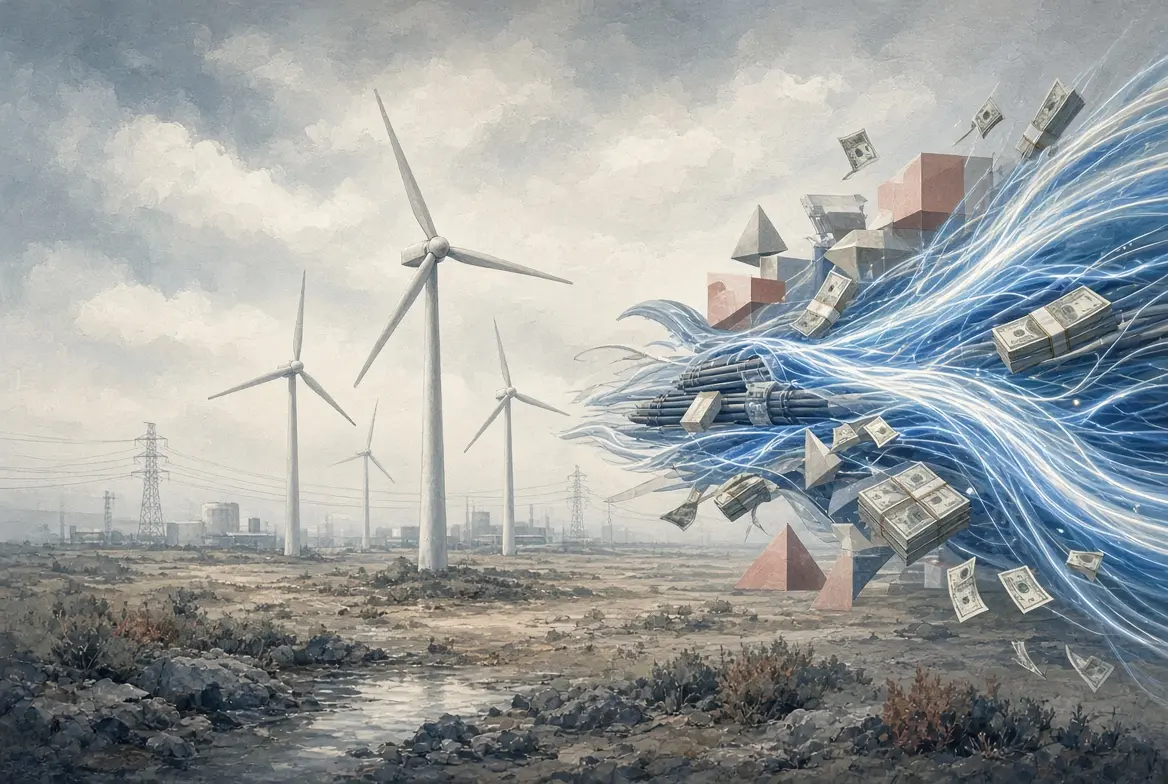
When the wind isn't blowing, we import electricity at record prices
On Thursday evening, when Romania's electricity consumption was at its highest, more than four out of every ten megawatts came from abroad. Wind power generation had dropped to a tenth of its previous level within two days, and both reactors at Cernavodă were still offline, so imports came close to the capacity of the cross-border transmission lines. Meanwhile, among the European electricity…
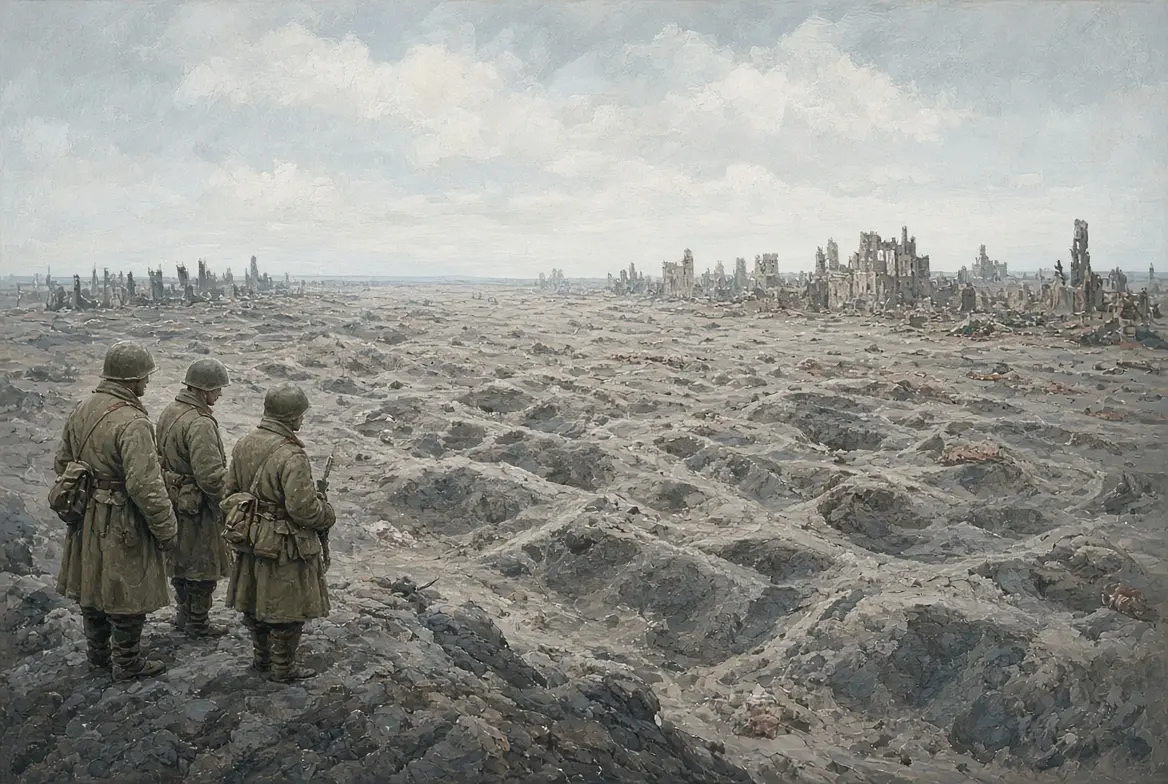
“One giant mass grave” – Russian soldiers speak of a second Stalingrad at Tyotkino
Wounded soldiers have waited for weeks for someone to bring them out, supplies are faltering, and no one has gone back for some of the dead since last spring – this is how Russian soldiers describe what is happening around Tyotkino in Kursk region. The accounts were published by Severny Kanal, a pro-war Russian Telegram channel, and the English translation was posted on November 5 by British…

Romanian youth are asking for jobs, not deficit reduction
If they could assign the Niculescu government a single task for the next six months, most people would ask for more jobs for young people. In the INSCOP survey, this is followed by curbing price rises and raising incomes, but only one in four respondents expects the country's economic situation to improve within six months.

Apartment, a share of the loot – this is how North Korea trains its hackers
In North Korea, children as young as eleven or twelve are already being scouted as future hackers for Kim Jong-un. The most successful ones may receive a spacious apartment in Pyongyang, and their military unit can receive up to thirty percent of the loot in dollars. Reuters investigated how Pyongyang built this system, after the FBI named a North Korean group as the perpetrator of the October 29…
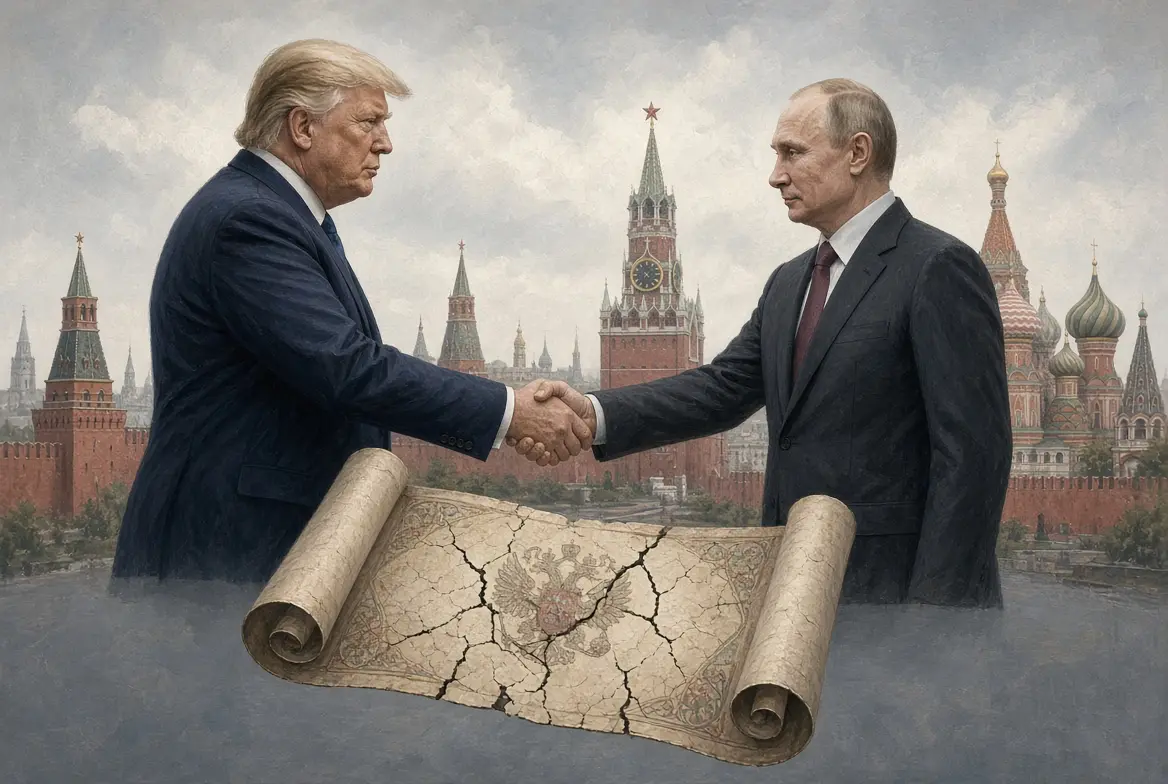
Trump talks of a grand bargain with Moscow
According to Donald Trump, the “very big agreement” to be reached with Russia could extend to the whole of Europe. In a commentary for the Polish outlet Onet, Witold Jurasz explores what this could mean for NATO's eastern flank. The “spirit of Anchorage” invoked in Moscow after the Trump–Putin meeting in Alaska reminds Jurasz of Yalta. He believes that back then, too, Washington and Moscow tried…