
The Russkies can applaud, Brussels has once again torpedoed Kaja Kallas
Kaja Kallas, the European Union's High Representative for Foreign Affairs and Security Policy, wanted to become the EU's special envoy for the negotiations on ending Russia's war against Ukraine, but EU leaders decided on Friday evening in Dublin in favor of a different solution. "The Russians don't want me," said Kallas on Friday morning, ahead of the EU leaders' informal summit in the Irish capital.
According to the High Representative, Moscow does not want her at the negotiating table precisely because of her firm stance, but as she put it, "it is not up to them to decide this." She also asked whether the EU has any say in who represents Russia, and argued that if Moscow could choose the European negotiator, it would gain an advantage it is not entitled to. Kallas argued that the role follows from her position: the Treaty of Lisbon entrusts the High Representative with coordinating and carrying out EU foreign policy, and the member states' leaders elected her in June 2024 fully aware that direct negotiations with Moscow would likely be needed at some point during her five-year mandate. "I am not representing myself. I represent twenty-seven member states, just as I did two years ago," she said. She warned the EU not to copy the American model, in which two personally chosen envoys of Donald Trump, Steve Witkoff and Jared Kushner, conduct the negotiations, and urged instead that someone who already holds an institutional post be sent. As Estonia's prime minister, Kallas was one of the Kremlin's loudest critics, and Russia put her on a wanted list in February 2024; in Brussels she is considered a divisive figure who is increasingly being left out of top-level talks.
In the end, EU leaders did not appoint a special envoy but instead set up a joint European negotiating group. According to Euronews, it includes France, Germany, Italy, Poland, and the United Kingdom, which is not an EU member but takes part as part of the so-called E3 group, alongside representatives of the European Council, the European Commission and NATO. Ukraine, the United States and Russia had all asked for a single European representative, and Italian Prime Minister Giorgia Meloni also criticized the fact that none was named. António Costa, President of the European Council, who had been considered the leading candidate for the special envoy post, pointed out that the treaties entrust the Council's president with representing the Union in foreign and security policy. Commission President Ursula von der Leyen did not back Kallas, saying that the leaders had made their decision. German Chancellor Friedrich Merz said the E3 format had worked well and that Berlin saw no need for an institutional dispute. Poland's inclusion is a result of Warsaw's warning that Western European countries should not make decisions over the heads of Eastern Europe. Italy was already present at the Abu Dhabi round, and Poland will take part in the next one.
So far, the talks have involved national security advisers and senior officials, not heads of state or government. It remains an open question whether Moscow is willing to negotiate directly with the Europeans at all. After Thursday's meeting with Putin in Moscow, Witkoff and Kushner said Russia was open to personal talks, but the Kremlin's response was dismissive, with spokesman Dmitry Peskov saying that Europe should first name a representative. An unnamed EU diplomat warned that the dispute over candidates is deepening divisions among the Europeans, "and that is exactly what Russia wants."
Fallow
Did you like this article?
Support our work with a small donation
Secure payment via Stripe • Min. 2 EUR
Gesta recommendations:
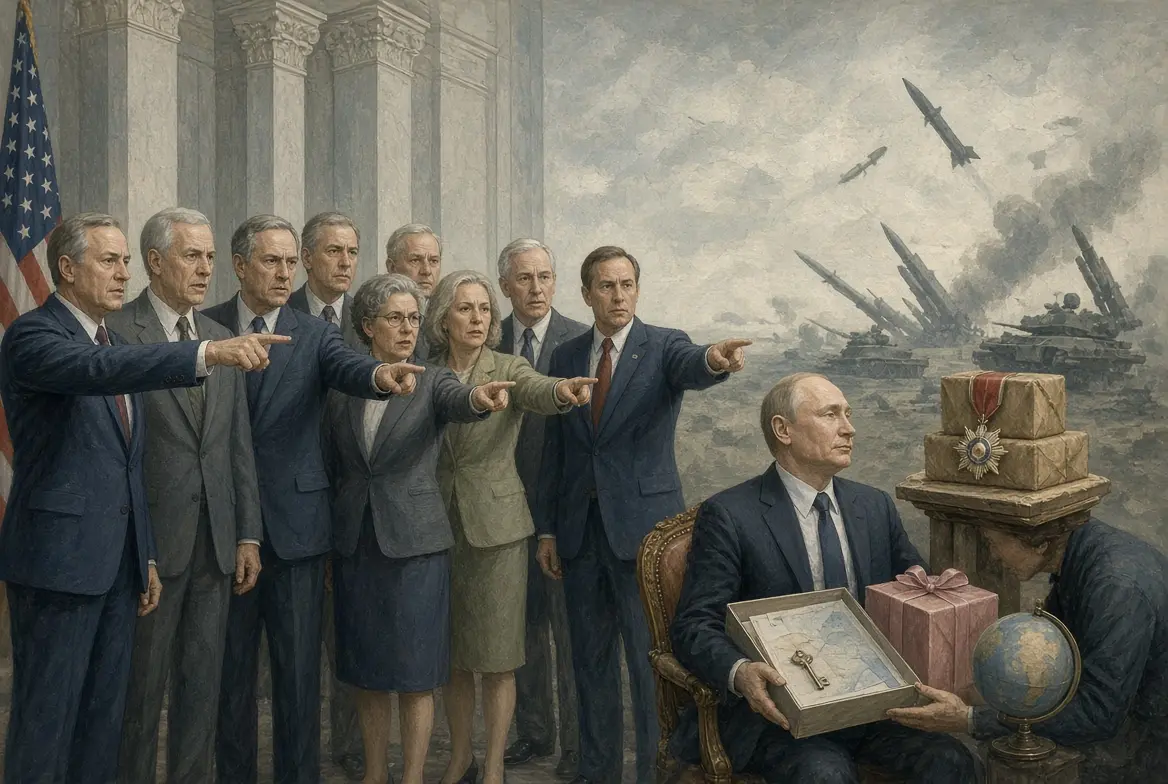
Eight former U.S. ambassadors warn: whoever rewards Putin is preparing the next war
Lasting peace cannot be bought from Putin through territorial concessions and the easing of sanctions, warn eight former U.S. ambassadors, including four former heads of mission in Bucharest. According to them, rewarding aggression would weaken NATO and increase the risk of a broader European war.
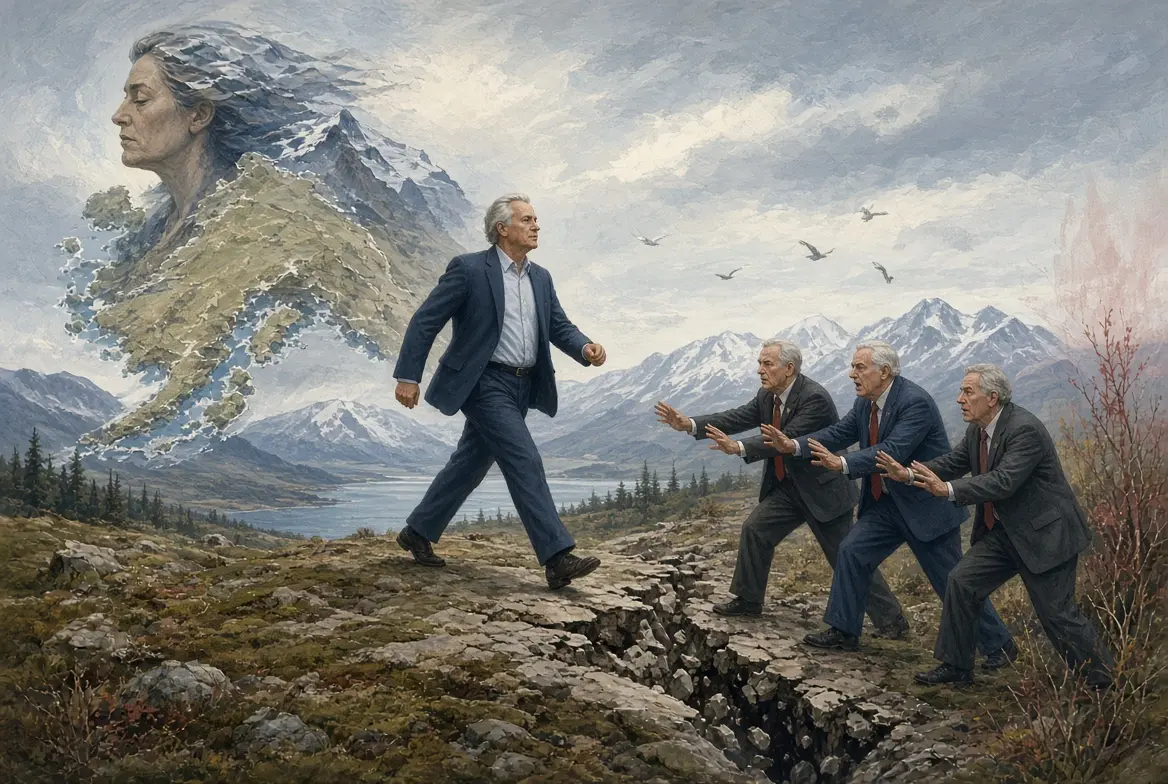
Alaska too turns away from the Republicans: not even three of them could stop the Democrat
For the first time in twenty-eight years, Alaska has elected a Democratic politician as governor: the 37-year-old Jonathan Kreiss-Tomkins defeated three Republican rivals, including one backed by Donald Trump. The youngest governor in the state's history campaigned on lowering the cost of living, fixing the funding of public schools, and a promise of cooperation across party lines, and won the…
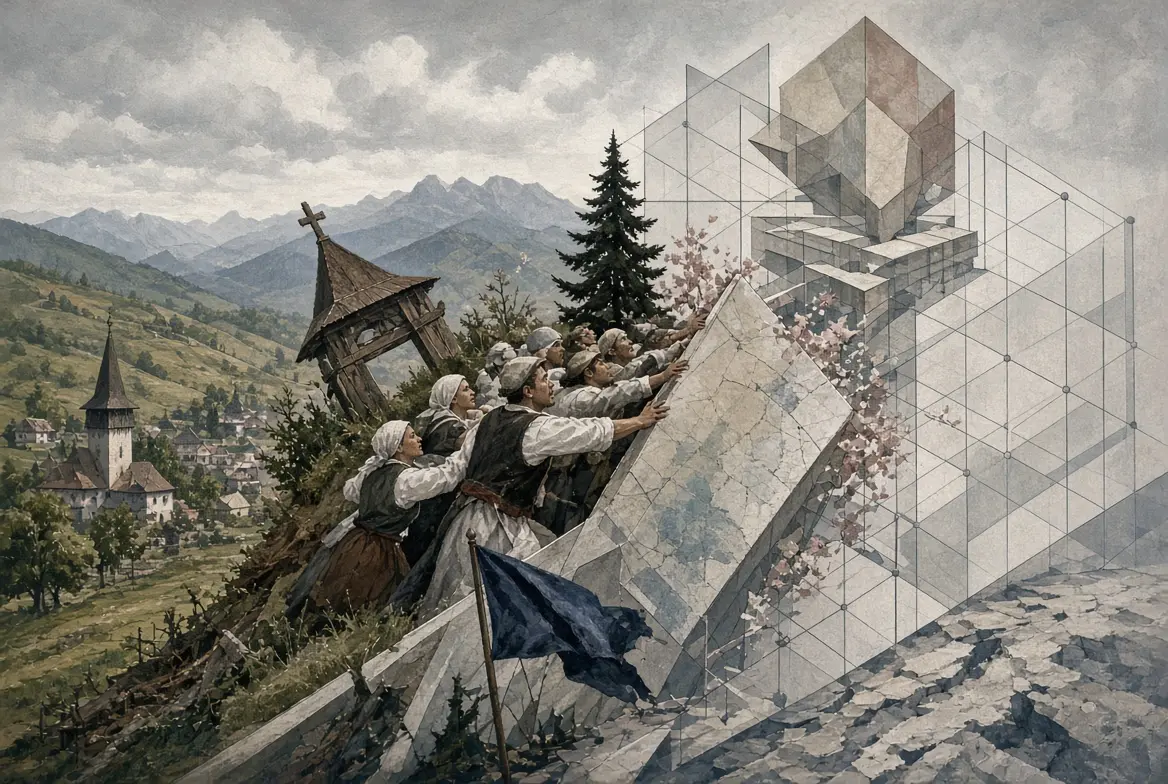
Administrative reform: Maramureș is already rebelling
The PSD has not even agreed on how it would reorganize Romania's counties, yet one of its MPs is already hinting at leaving the party. Lucian Morar refuses to even hear about Maramureș being merged into an administrative unit centered on Cluj-Napoca, and is ready to turn against his own party in defense of his homeland. Whether he has actually already quit over this, or is merely threatening to…
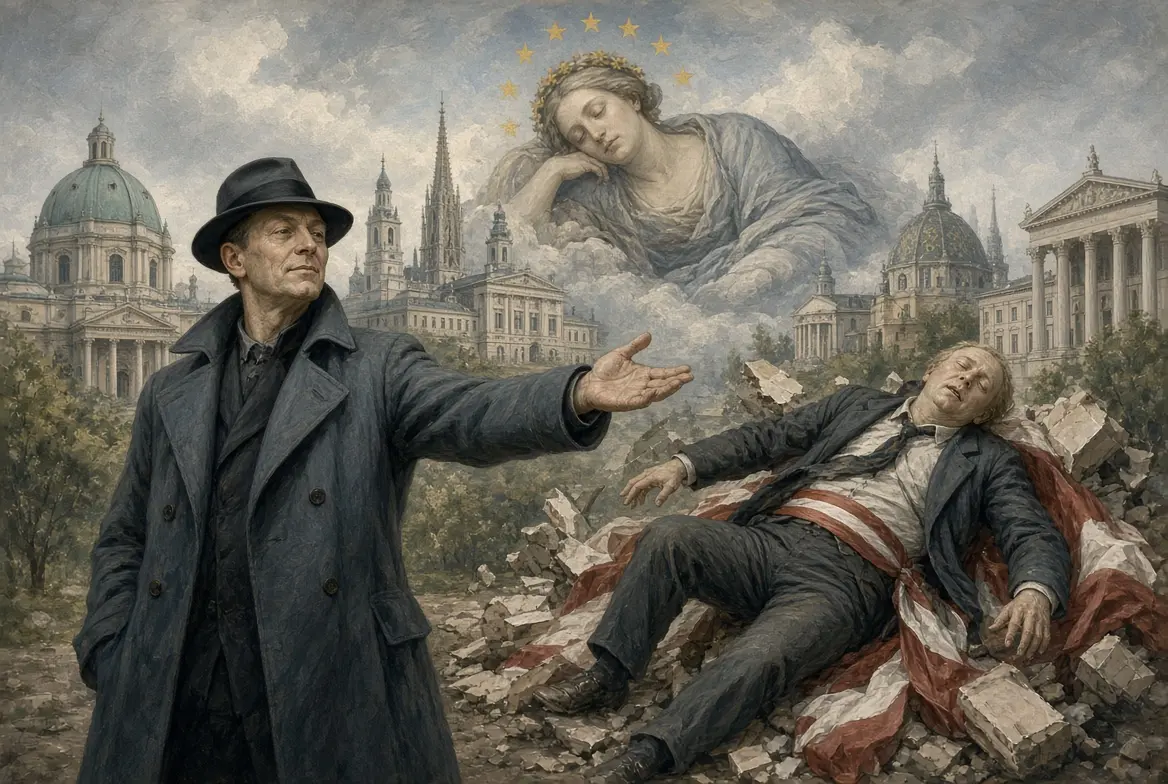
The spy who boasted about bringing down a chancellor – while Europe kept dozing
Jan Marsalek, the fugitive former operations chief of Wirecard, boasted from Moscow that “we successfully brought down” Austrian Chancellor Sebastian Kurz. The network uncovered around him funneled phones belonging to the Interior Ministry to Russia, gathered data on refugees and journalists (it even obtained the home address of Christo Grozev, founder of the renowned investigative outlet…
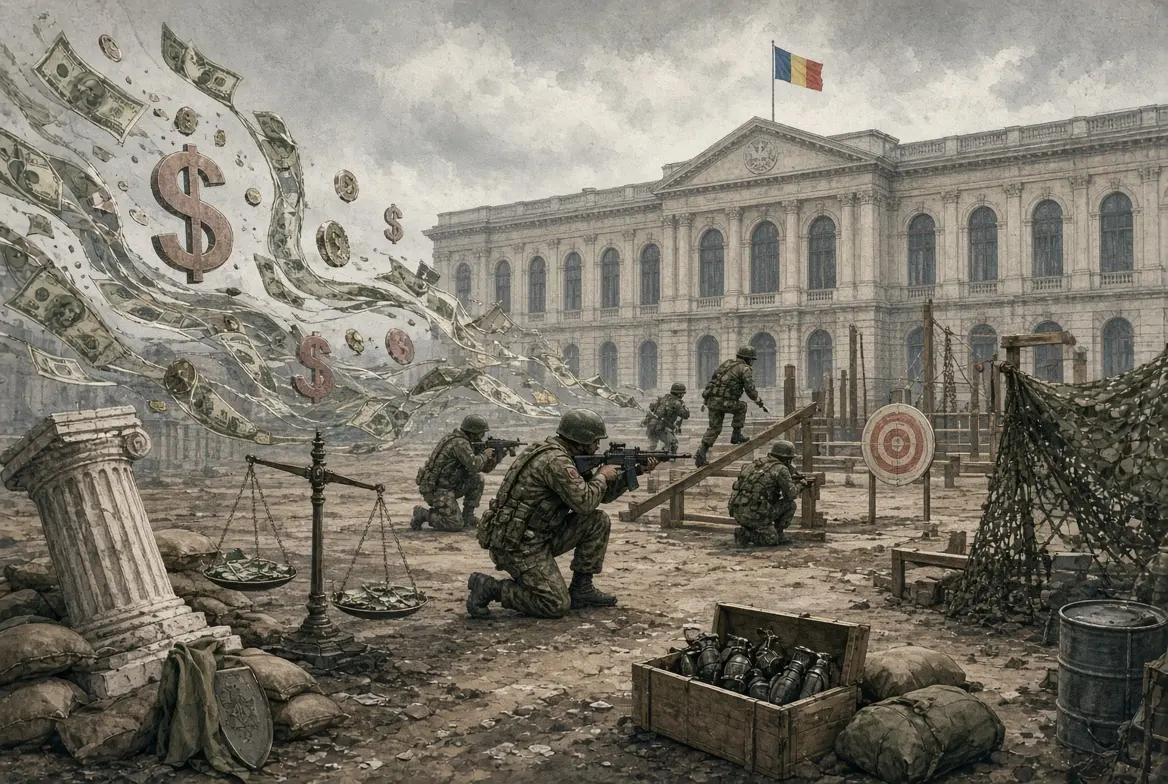
A good idea from Romania: paid military training
Voluntary basic military training could be joined by Romanian citizens — men and women over 18 who have not yet turned 35 by the start of the program and who have not previously served in the military, either as professionals or as reservists. At the end of the training, which would last up to four months, participants would be placed in the army's operational reserve, though those who wished to…