
Ukraine and Russia to hold talks again on November 10–11, Washington to consult with Europeans beforehand
Ukraine, Russia and the United States may sit down at the same table again for the first time since February, after US special envoy Steve Witkoff announced that the trilateral talks will continue in Abu Dhabi on November 10–11. The agenda includes ending the war, easing the fighting, humanitarian measures and post-war security arrangements, while American negotiators will travel to Brussels this week to consult with European allies on Ukraine's security guarantees and reconstruction.
Witkoff announced working-level talks, meaning that in Abu Dhabi the delegations should reach a point where concrete proposals can be discussed at a later leaders' meeting. According to a US official who spoke to Reuters, Washington is expected to be represented by Witkoff and Jared Kushner, but the reports cited so far have not given details on the composition of the other two delegations. Witkoff himself named the venue and the two days on X, writing that they want to build on the progress made at the talks in Kyiv, Oslo and St. Petersburg.
Moscow signaled already after the October 21 meeting in St. Petersburg that it was willing to return to trilateral talks. Yuri Ushakov, Putin's foreign policy adviser, said at the time that the Russian president had agreed in principle to resuming the negotiations, and that Moscow wants to negotiate on what security guarantees Russia could receive, because the poor are afraid, that is why they kill everyone in every neighboring country of theirs. Volodymyr Zelensky welcomed the resumption of the talks and said the goal was to end the war and prepare a leaders' meeting; he later mentioned November 10 as a possible date as well, adding that the escalation in the Middle East could still disrupt the schedule.
At the Brussels round preceding Abu Dhabi, the Americans will hold talks with representatives of France, Germany, the United Kingdom, the European Union and NATO. Besides support for reconstruction, the discussion will cover what guarantees could protect Ukraine from another Russian attack and what role the European allies would take on in this. Kyiv has long insisted on such guarantees, but Witkoff's statement so far only confirms that they will be discussed, with no public agreement yet on who would intervene, with what means and under what conditions, should Russia attack again.
On the territorial issue, the two sides remain far apart. Moscow demands that Ukraine accept Russia's annexation of the territories seized by force, while Zelensky consistently refuses to let Kyiv acknowledge this. According to Axios, the White House hopes that after the easing of sanctions on Russian diesel sales, Putin will be willing to make concessions, though the outlet also notes that Moscow's only visible concession so far is its willingness to sit down at the table again. Meanwhile, Russia continues to bomb Ukrainian cities and the energy system, true to form sparing neither civilians, children nor hospitals, while Donald Trump has recently put more pressure on Kyiv to reach an agreement.
In previous rounds, agreements on prisoner exchanges were reached, and humanitarian issues remain on the agenda this time as well, so the November 10–11 meeting could produce concrete decisions even if no breakthrough is reached on the fate of the territories or on security guarantees. However, neither side has yet reported that, along with the setting of the new date, the positions have moved closer on the conditions under which the fighting would stop.
Ugar
Did you like this article?
Support our work with a small donation
Secure payment via Stripe • Min. 2 EUR
Gesta recommendations:

Ukraine's Republican allies have thinned out, yet Kyiv may have more room to maneuver
In the November 3 midterm elections, Democrats won majorities in both chambers, but Ukraine's standing in Washington presents a mixed picture. While the mood of the Congress convening in January will be overall more pro-Kyiv, the Republican wing that stood by Ukraine against both Donald Trump and its own party leadership over the past two years has suffered heavy losses. Yet it is precisely these…
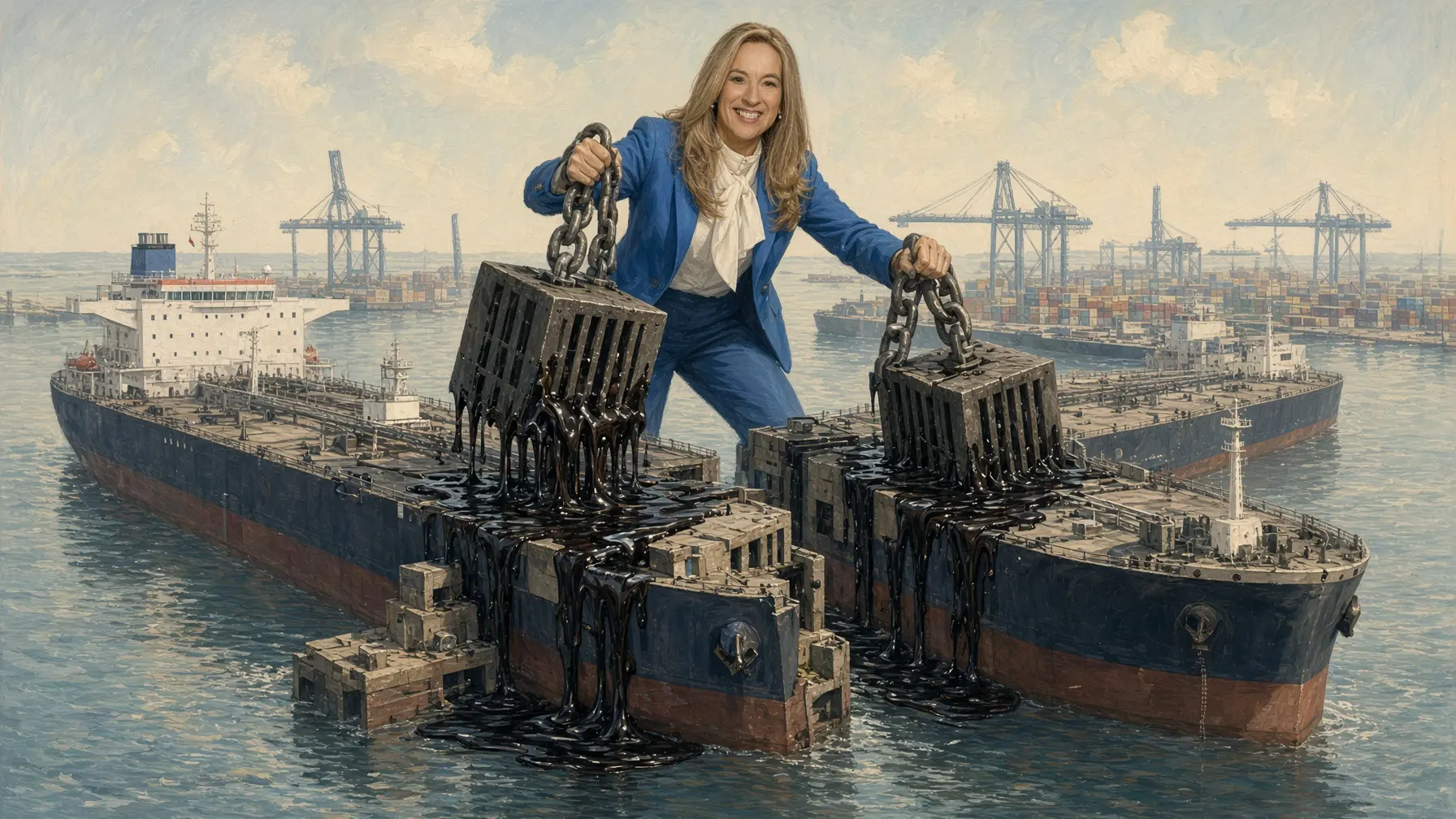
New Jersey governor would punish ports accepting Russian oil with sanctions
Ports and terminal operators in New Jersey that accept tankers carrying Russian diesel fuel can expect severe sanctions, Governor Mikie Sherrill warned, saying that despite Donald Trump's deal with Vladimir Putin, such imports continue to violate U.S. federal law. Sherrill called on operators to turn away the tankers and said that the state would use every legal and regulatory tool at its…

The "Arab RMDSZ" could form a government in Israel
The four Israeli opposition parties preparing to replace Benjamin Netanyahu are proposing Gadi Eisenkot as prime minister, after their leaders agreed on Tuesday to begin negotiations on forming a national emergency government. In last Tuesday's election, Netanyahu's bloc lost its majority, but Eisenkot's alliance has even fewer seats than his, which means the 19 seats held jointly by the two…
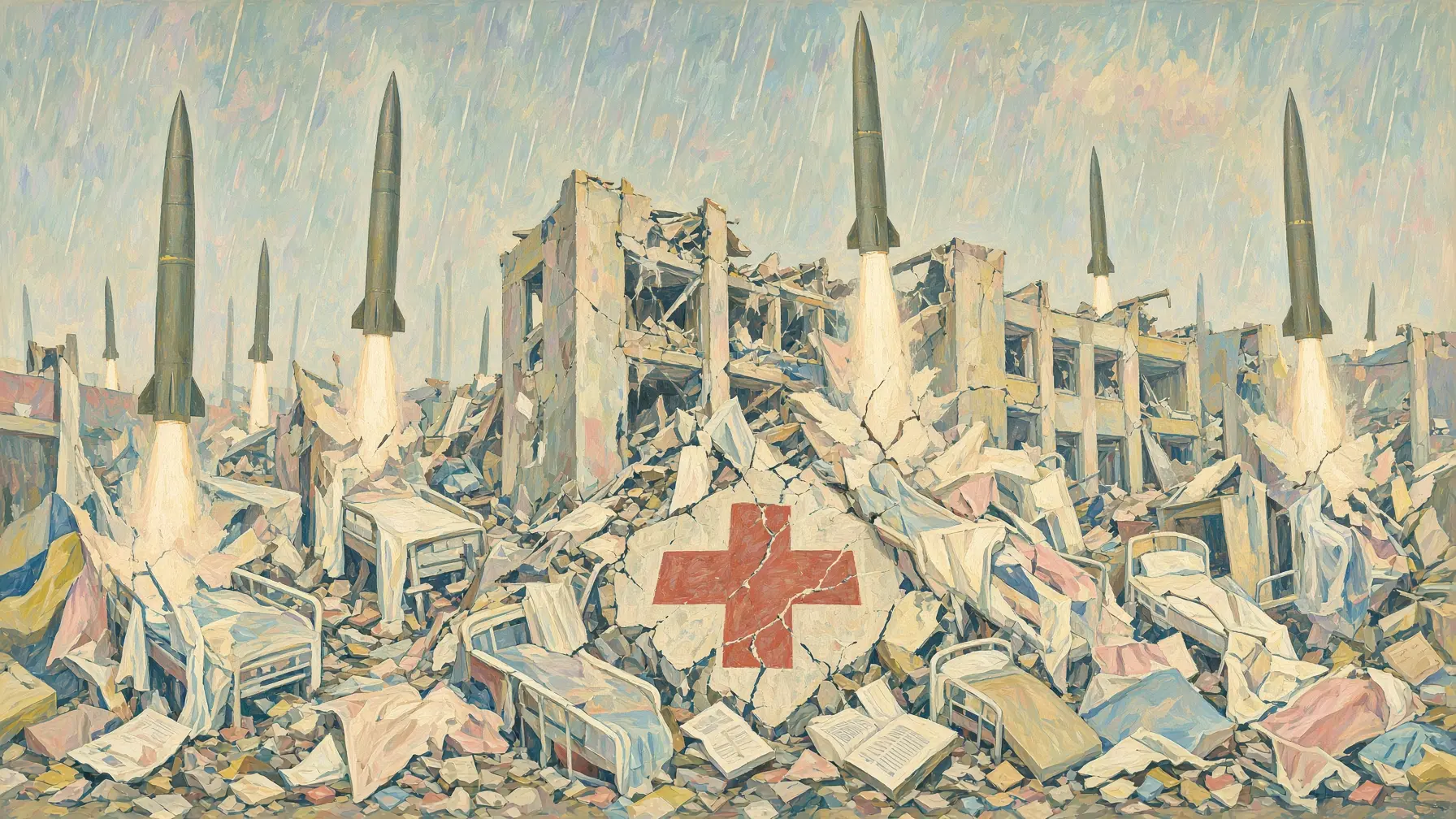
This year's worst Russian ballistic missile barrage: of course the Russkies bombed a hospital too
In the early hours of the day of the American midterm elections, Russia attacked Ukraine with 289 drones, 17 ballistic missiles and 59 cruise missiles. This year's heaviest strike on Ukrainian energy facilities caused power outages in ten regions, while a hospital was hit in Kharkiv and Dnipro was struck twice with missiles. At least 73 people were injured. According to Volodymyr Zelensky, Moscow…
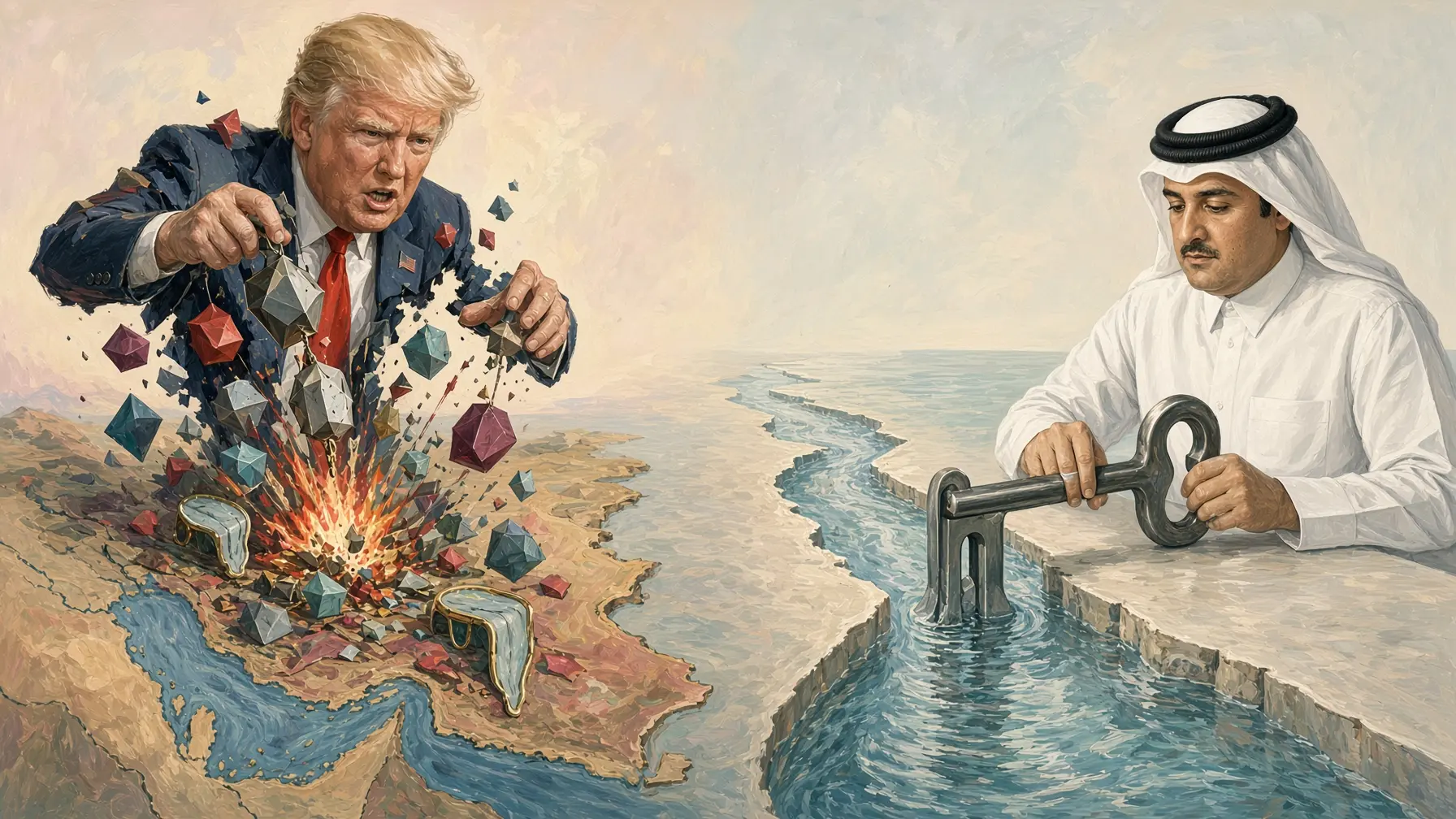
America bombed Iran while Qatar was negotiating the reopening of the strait
On the eve of the midterm elections, the US military launched strikes on the area around the Strait of Hormuz, just a few hours after Donald Trump stated that the United States is not at war with Iran. At the time of the strikes, reported by The Wall Street Journal, the Qatari-mediated negotiations were still underway, in which Tehran had attached conditions to reopening the strait.