
“I saw how they rewrote our history, and how they renamed our language” – Maia Sandu on two centuries of Russian rule
Maia Sandu, Moldova's president, warned Europeon Monday in Brussels, at the European Parliament building, that propaganda and manipulation are spreading across Europe today using the same methods that were once used to rewrite Moldova's history. “I saw how others rewrote our history, and how they renamed our language,” she said at the event titled “The Republic of Moldova and the European Union: Shared Values, Common Future,” organized by Victor Negrescu, Romanian vice-president of the European Parliament, and chaired by Daniela Morari, Moldova's ambassador to the EU.
Sandu said she hopes Moldova's experience can help Europe recognize these dangers in time and protect its democracies. She thanked Moldovan writers for telling their country's story to European readers, and asked the audience to pass on a love of reading to the next generation, since “doomscrolling” in front of screens is also fertile ground for manipulation. Afterward, Moldovan writers Tatiana Țibuleac, Oleg Serebrian and Ionela Hadârcă addressed the audience.
Sandu's sentence was short, but behind it lie two centuries of Russian and Soviet rule, during which the inhabitants of the land between the Prut and the Dniester were stripped, one after another, of their language, their script, their history, and often their lives.
1812: The Russian Empire conquers Bessarabia
The eastern half of the Principality of Moldavia, the territory between the Prut and the Dniester, was annexed by the Russian Empire after the 1812 Treaty of Bucharest, following its war against the Ottoman Empire, and was renamed Bessarabia. In the first decades the province retained relative autonomy, but in the second half of the century intense Russification began. The Romanian language was pushed out of schools, administration, and eventually the church, while the tsarist authorities settled Russians, Ukrainians, Bulgarians, Gagauz and Germans in the province in order to change its ethnic composition. At the end of the First World War, as the Russian Empire collapsed, Bessarabia's Council of the Country (Sfatul Țării) declared union with Romania in March 1918.
1924: Moscow invents the “Moldovan language”
The Soviet Union never accepted the union. In 1924 it created the Moldavian Autonomous Soviet Socialist Republic on the left bank of the Dniester, on Ukrainian territory, intended as a springboard for reclaiming Bessarabia. It was here that the Soviet ideology of a “Moldovan people” and a “Moldovan language” was born: Moscow's language policy-makers presented a language identical to Romanian as a separate one, supposedly “older” than Romanian and independent of it, wrote it in Cyrillic script, and filled it with Russian words. The aim of this Soviet ideology was to cut Moldovans off from Romania and Romanian culture, thereby justifying the territory's annexation.
1940: The consequence of the Molotov–Ribbentrop Pact
The secret protocol of the 1939 Molotov–Ribbentrop Pact placed Bessarabia within the Soviet sphere of influence. In June 1940 Moscow issued an ultimatum to Bucharest, and the Red Army occupied Bessarabia and Northern Bukovina. From this territory, together with part of the autonomous republic on the far side of the Dniester, the Moldavian Soviet Socialist Republic was created, while the southern and northern parts of Bessarabia were attached to Ukraine. Soviet power immediately set about dismantling society. On 12–13 June 1941, around twenty thousand people — mainly intellectuals, priests, teachers, former civil servants and well-off farmers — were deported to Siberia and Kazakhstan, where many died.
Deportation, famine, Cyrillic letters
After the Second World War, Soviet power returned in 1944, and the terror continued. In the famine of 1946–47, worsened by forced grain requisitions, an estimated more than one hundred thousand people died. On the night of 5–6 July 1949, in an operation codenamed “South,” around thirty-five thousand people, including many children and elderly, were deported in a single night as “kulaks,” as people who had “collaborated with the fascist occupiers,” or as members of “anti-Soviet parties.” In 1951, in the operation codenamed “North,” Jehovah's Witnesses were rounded up and deported. The “Moldovan language” was compulsorily written in Cyrillic script, teaching the Romanian language and history was forbidden, and anyone who spoke of Romanian identity could be imprisoned as a “Romanian nationalist.” Meanwhile, Russian and Ukrainian workers and officials were settled en masse in the republic, coming to dominate leadership positions and a large share of the urban population.
1989 and 1992: The Latin alphabet returns, the Dniester region breaks away
During perestroika, the Moldovan national movement achieved a breakthrough when, on 31 August 1989, parliament declared the “Moldovan language,” written in the Latin alphabet, the state language, thereby recognizing its identity with Romanian. This day is now celebrated in Moldova as the holiday of the Romanian language. The country declared independence in 1991, and the declaration of independence named Romanian as the state language. On the left bank of the Dniester, however, the Russian-speaking leadership, backed by Moscow, set up a breakaway “Transnistrian Republic,” and in 1992 armed conflict broke out. The war was decided in the separatists' favor by the intervention of the Russian 14th Army stationed there. Russian troops have remained in the region ever since, against the will of the Moldovan government, and for thirty years Transnistria has served as a tool of Moscow's military and economic influence. The 1994 constitution again referred to a “Moldovan language,” and the name of the language remained a political battleground for decades. In 2013 the constitutional court ruled that the declaration of independence — and with it the designation “Romanian language” — takes precedence, and in March 2023 parliament officially replaced the term “Moldovan language” with “Romanian language” in all laws.
Today's hybrid war
This is why Sandu speaks about propaganda like someone who knows its methods. In recent years Russia has also targeted Moldova's elections: in the October 2024 referendum on EU accession, the “yes” side won narrowly, with 50.35 percent, a margin of barely twelve thousand votes, after, according to Moldovan police, a network run by fugitive oligarch Ilan Șor, based in Russia, distributed tens of millions of dollars to buy votes. Sandu said at the time that “foreign forces” had tried to buy around three hundred thousand votes. Ahead of the 2025 parliamentary election, Sandu told the European Parliament's plenary session that Russia had “deployed its entire hybrid arsenal” against Moldova and that “the election is a battlefield.” The Kremlin has also used energy as a weapon: in January 2025 Gazprom halted gas supplies to the Transnistria region, plunging it into a severe energy crisis. Moldova became an EU candidate country in June 2022, and accession negotiations began in June 2024.
According to a leaked list of Russian demands, Moscow is still seeking to turn Moldova into a federal state, in which Transnistria and Gagauzia could even secede through a referendum if the country joins the EU. Moscow already tried to impose this same plan on Chișinău back in 2003, with the Kozak Memorandum. So when Maia Sandu speaks in Brussels about others having rewritten their history and renamed their language, she is not talking about historical memory, but about the present. Russia still wants the same thing today: to prevent Moldova from deciding its own future for itself.
Ugar
V-a plăcut articolul?
Susțineți munca noastră cu o donație mică
Plată securizată prin Stripe • Min. 2 EUR
Recomandări Gesta:
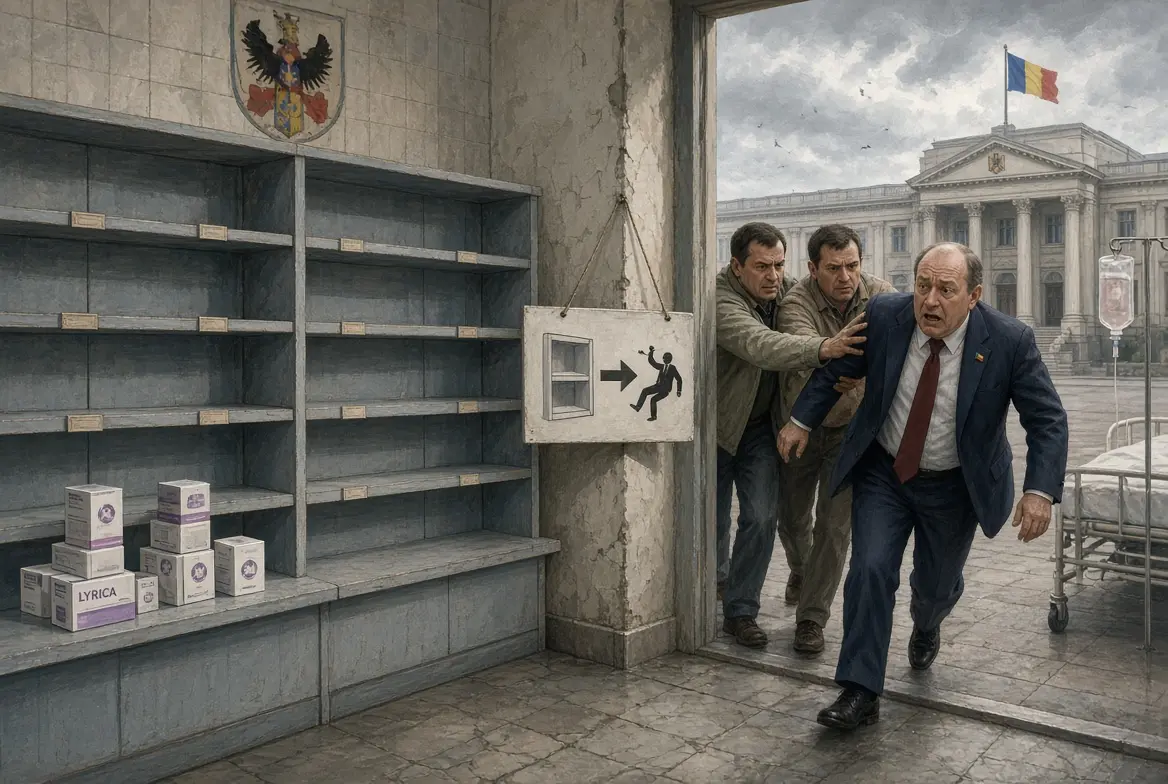
Ministrul Sănătății ar putea fi demis din cauza penuriei de Lyrica
Liliana Ruse, jurnalistă bolnavă de cancer, a scris că nu are acces la medicamentul care îi ameliorează problemele nervoase apărute după chimioterapie. Ministrul Sănătății, Alexandru Rogobete, a răspuns cu date naționale despre stocuri, susținând că produsul nu a dispărut de pe piață, și a avertizat asupra riscului de a crea panică, însă agenția medicamentului fusese informată cu luni în urmă…
Un bloc PNL-USR ar ajunge din urmă AUR
AUR, partidul de extremă dreapta, rămâne în continuare cel mai popular partid din România, însă din septembrie a pierdut mai mult de cinci puncte procentuale din susținere, în timp ce PSD, care a ajuns la guvernare, a crescut cu aproape șase puncte. Sondajul INSCOP din noiembrie arată că o candidatură comună a PNL și USR ar reconfigura raportul de forțe: alianța lor ar ajunge pe locul al doilea,…
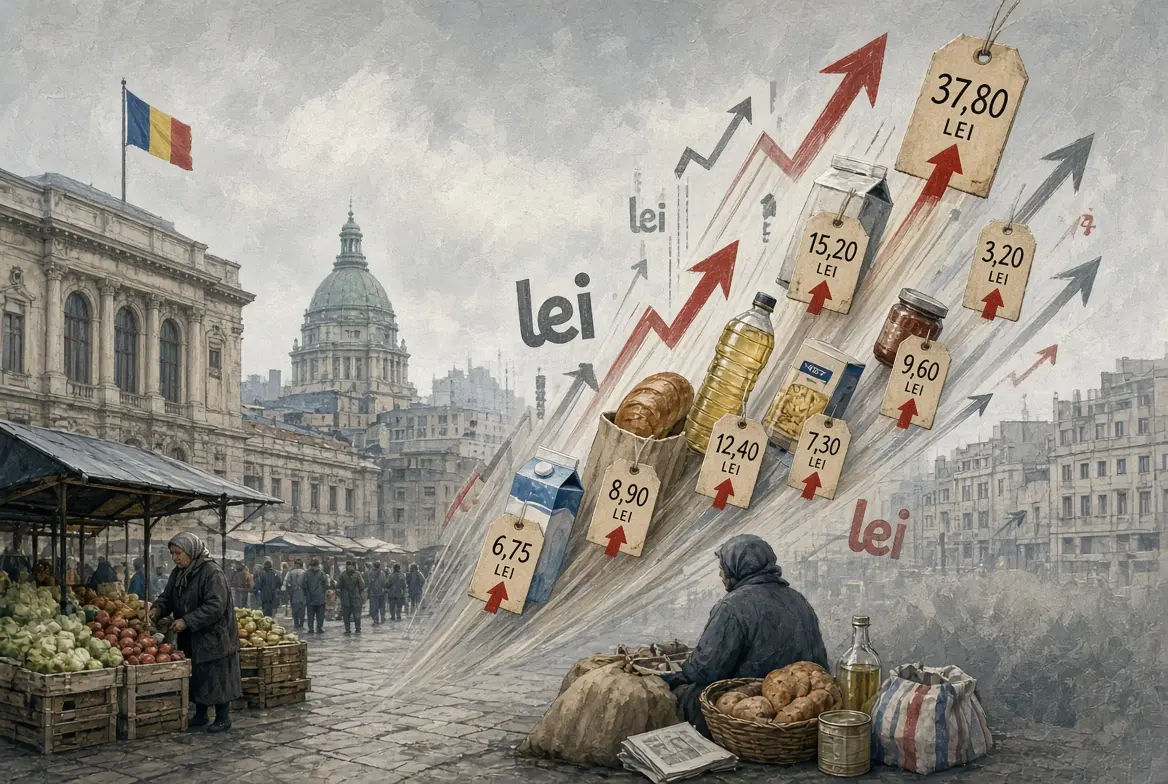
Inflație: prețurile cresc tot mai rapid în România
În octombrie inflația anuală din România a crescut din nou spre șapte procente, iar banca centrală și-a revizuit în continuare în rău prognoza pe 16 noiembrie: pentru finalul anului se estimează o scumpire de 7,4%, față de 6,1% cât se anticipa anterior. Costul carburanților și al energiei se reflectă în prețul tot mai multor produse și servicii, în timp ce, înainte de iarnă, incertitudinile…
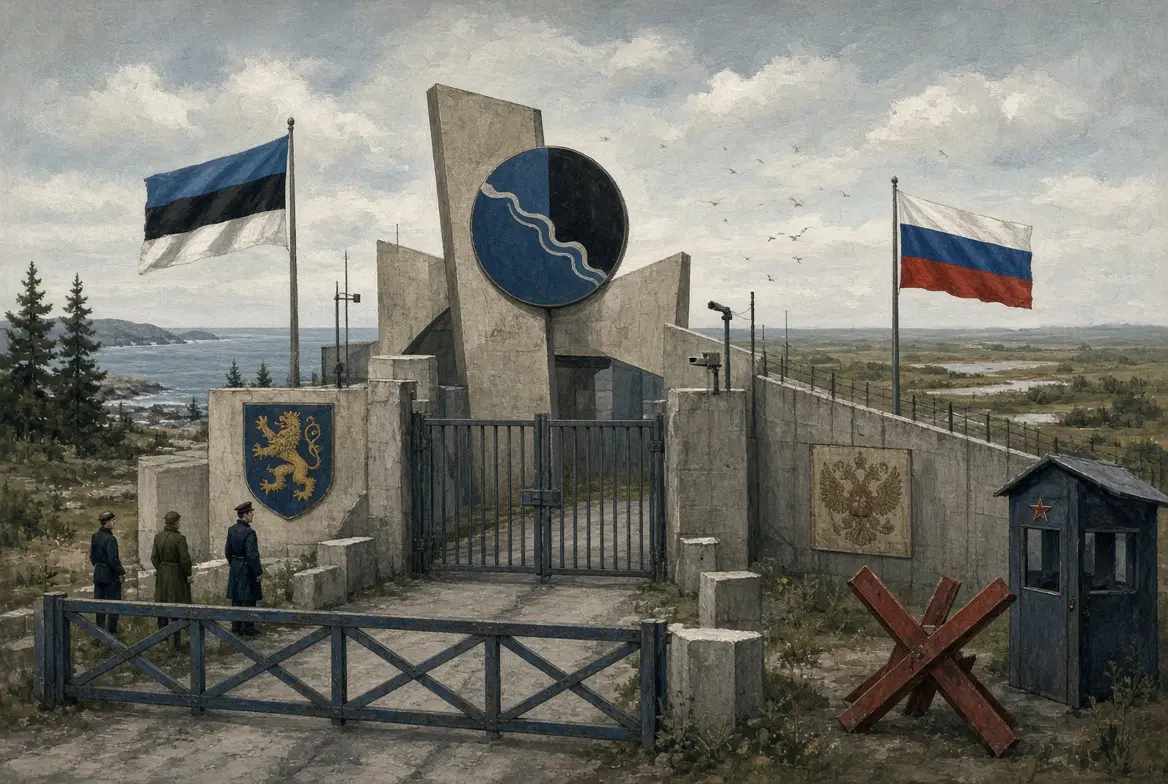
Estonia închide punctele de trecere a frontierei cu Rusia
Estonia va închide de la 1 decembrie toate cele trei puncte de trecere rutiere încă funcționale către Rusia, după ce sâmbătă dimineață s-a încercat incendierea și aruncarea în aer a uzinei producătorului de drone Threod Systems, de lângă Tallinn. Potrivit serviciului estonian de securitate internă, atacul a fost comandat și coordonat de serviciul de informații militare rus, GRU. Opt persoane au…
Strasbourg: sancționarea lui Danileț a fost abuzivă! Savonea: mi se rupe
Cristi Danileț a câștigat procesul pentru libertatea de exprimare la Strasbourg, dar nu a reușit totuși să obțină anularea deciziei instanței românești care i-a confirmat sancțiunea. Înalta Curte de Casație și Justiție a respins definitiv, pe 16 noiembrie, cererea de revizuire a fostului judecător clujean, invocând faptul că sancțiunea aplicată în urmă cu șapte ani nu mai are consecințe suficient…