Merz would defend Europe, the AfD would stab us in the back
German Chancellor Friedrich Merz, during the Bundestag's budget debate, warned that Russia's threat extends far beyond Ukraine, and that Germany therefore cannot treat it as a distant war when its consequences have already appeared on its own territory. While the government justified spending on defense and support for Ukraine, the AfD, unsurprisingly, once again concluded that savings should primarily be made on helping the attacked country.
In his speech on November 25, Merz listed Poland, the Black Sea region, outer space and Germany itself among the places where, in his view, Moscow is increasing pressure. The gist of his argument was that the Russian leadership's ambitions do not end at Ukraine's border, so ensuring Germany's security cannot be separated from whether the aggressor can be stopped. The chancellor defended the 2027 federal budget, which envisions 560 billion euros in spending and about 210 billion euros in new debt, attributing a significant part of its burden to past neglect. For a long time, Germany relied on others for its own defense while also neglecting the development of its infrastructure, and now the bill for both is arriving at once. At the same time, Merz indicated that the state cannot keep financing all its usual expenditures unchanged, so alongside greater security spending, he is preparing reforms and stricter budgetary decisions.
The draft budget for next year sets aside 11.6 billion euros to support Ukraine, which Tino Chrupalla, co-chair of the AfD, attacked as an example of the government's wastefulness. The politician accused the cabinet of being addicted to spending and predicted that Merz would go down in the history books as the chancellor of Germany's bankruptcy, while arguing that education, research and social spending should take priority over defense and aid to Ukraine. Chrupalla, incidentally, is the politician who would revive the traditions of an Austrian painter with a peculiar moustache, deporting millions from Germany.
The government, however, does not only have to defend its position in parliament, because according to the Berlin Pulse survey commissioned by the Körber Foundation, support for military aid to Ukraine has fallen from 59 to 46 percent in a year, while the share of opponents has risen from 39 to 53 percent. German society is finding it increasingly hard to accept the burdens that come with the prolonging of the war, even though the government justifies them precisely by the need to preserve long-term security — and this is a success of the cognitive war Moscow is waging against us, since we end up arguing for our own good using precisely what is actually working against us. The disinformation and distracting narratives that have been simmering for decades, and have been spread in industrial quantities since the full-scale invasion, have had their effect.
Berlin therefore also wants to create more predictable financing for Ukraine within the EU's 2028–2034 budget, so that support does not come under threat again with every new political crisis and national election. Meanwhile, the AfD's argument conspicuously omits the one item that would be indispensable to any truly responsible budgetary calculation: how much it would cost Germany to live in a Europe where Putin learns that military aggression ultimately pays off.
Opinion
Did you like this article?
Support our work with a small donation
Secure payment via Stripe • Min. 2 EUR
Gesta recommendations:
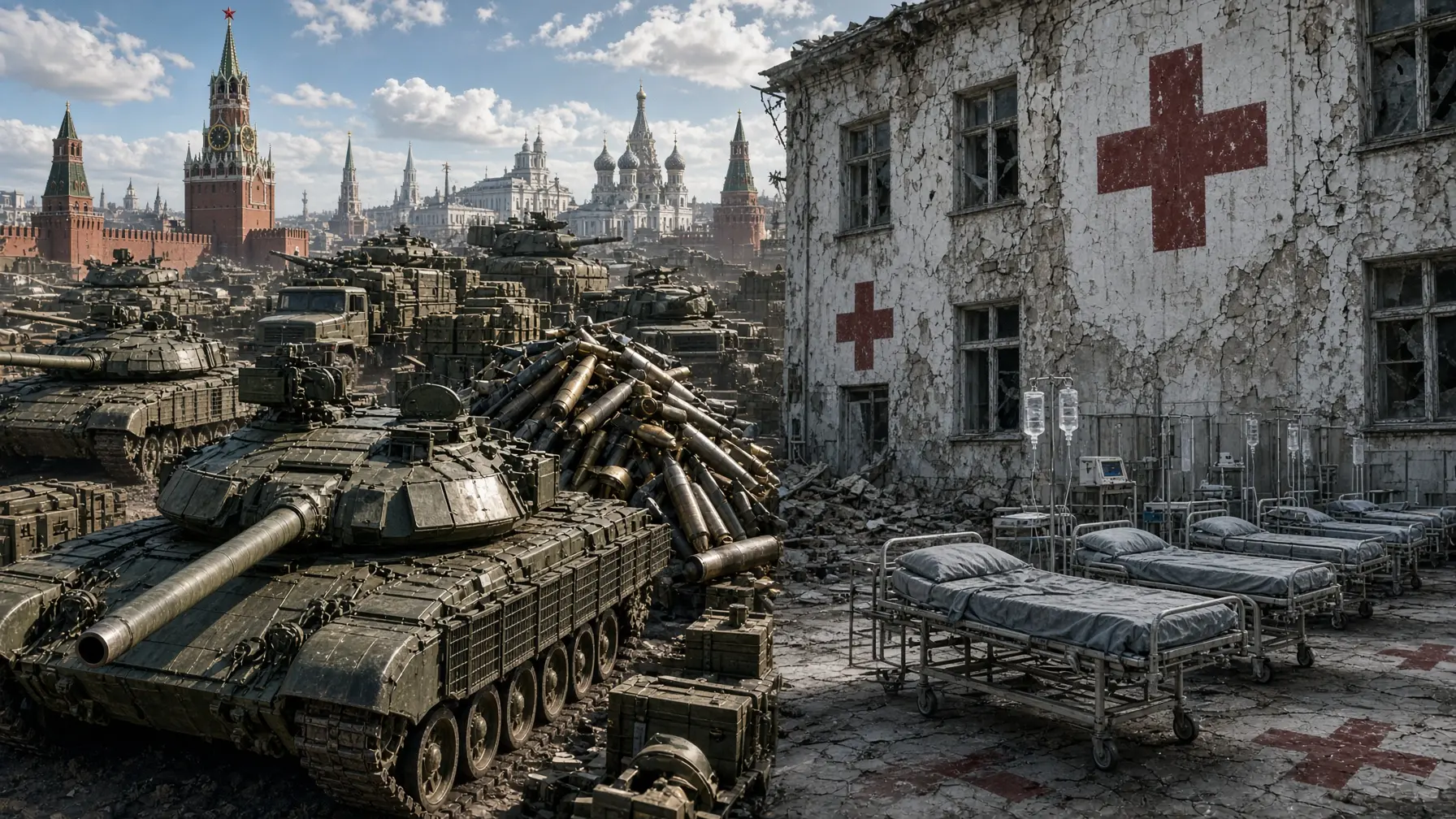
How Moscow is preparing for peace: a record sum for the army, less for hospitals
While the Kremlin talks about its desire for peace and keeps expecting further concessions from Ukraine, the Russian parliament has approved military spending for the next three years on a scale unseen since the Soviet Union. Under the 2027–2029 budget, the equivalent of some 606 billion dollars is earmarked for the army, while spending is being cut on health care, social benefits and housing.
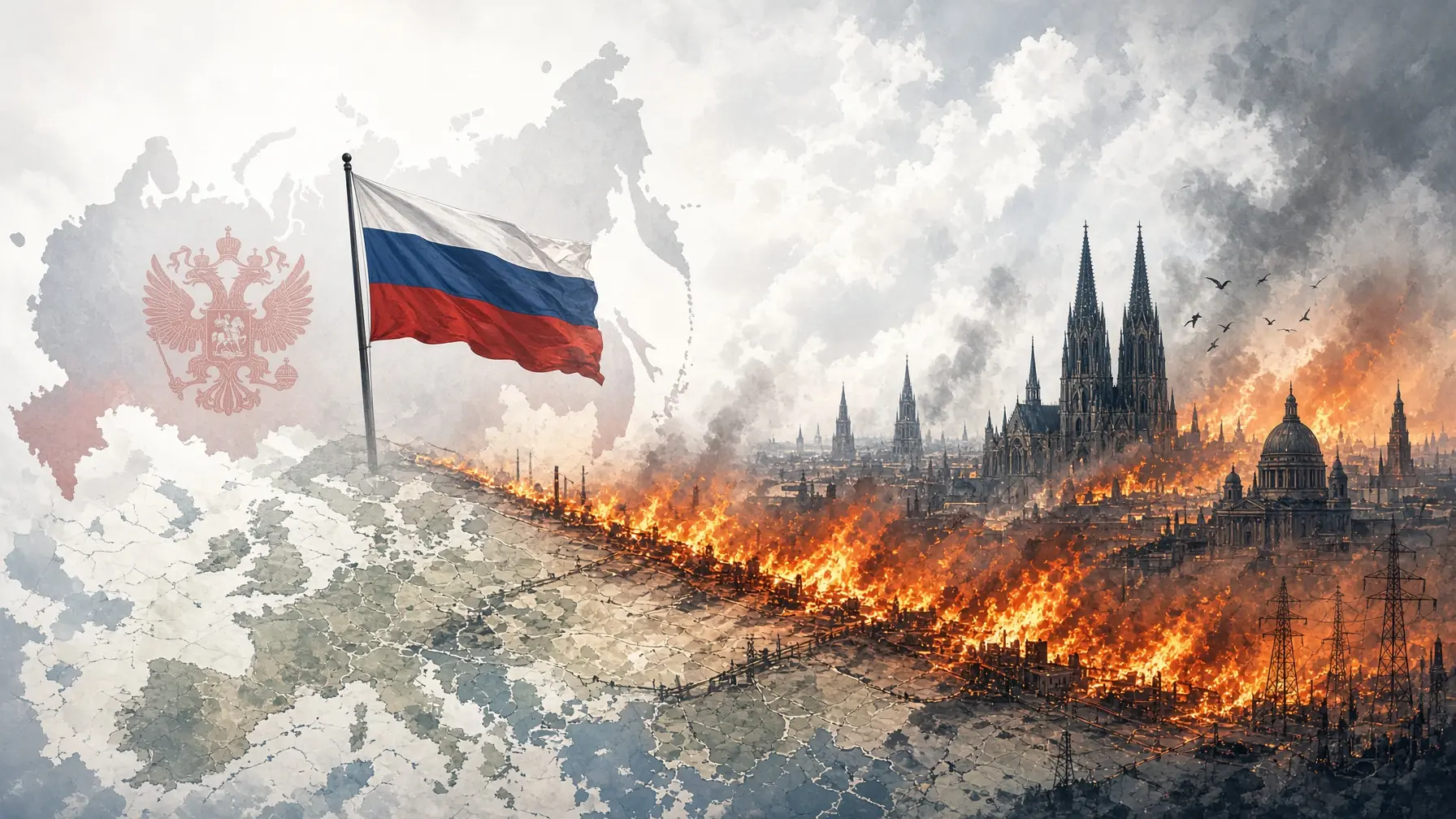
Moscow's next move in Europe could already cost mass casualties
Russia is resorting to increasingly dangerous methods in its sabotage campaign against European countries, while the continent's response still falls short of what might deter Moscow from continuing - this is the warning of the London-based International Institute for Strategic Studies (IISS) in its November report, which states that the possibility of attacks causing mass casualties must now be…
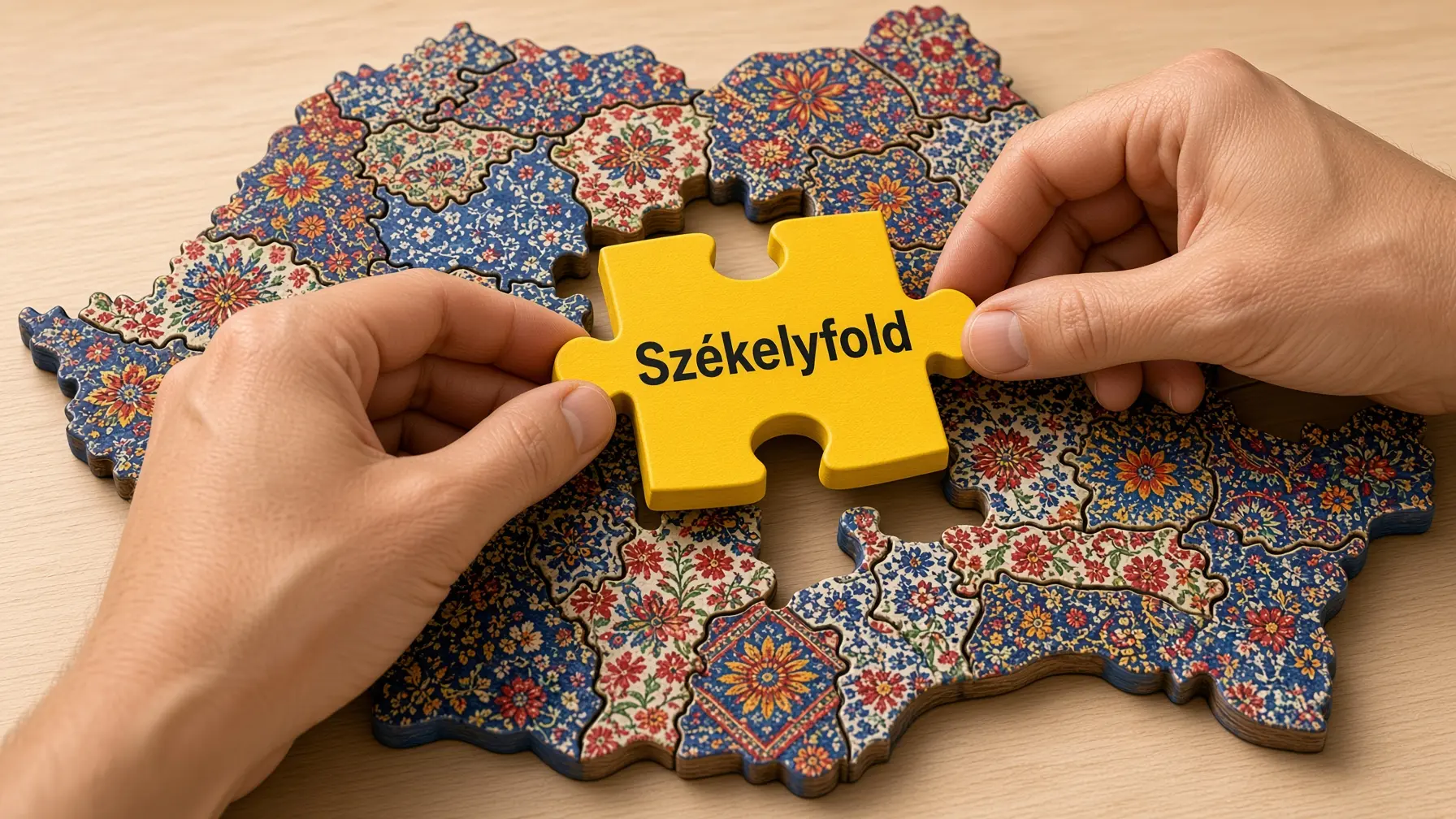
Petition to Keep Szeklerland United
Ahead of Romania's administrative reorganization, the Szekler National Council and the Szeklerland Regional Council of Local Authorities of the Democratic Alliance of Hungarians in Romania (RMDSZ) are submitting a joint petition to the parliament and government, requesting that the 149 municipalities making up Szeklerland be placed into a single administrative region. The initiative was agreed on…
PSD wants to put a price on curiosity: anyone who wants to know where public money goes should pay
Access to information would remain free for up to five pages of paper, but beyond that citizens could be billed, and in certain cases they would also have to pay for electronic documents or for inspecting files on the spot, if a proposal by thirty-two PSD lawmakers is adopted. According to its initiators, the aim is to protect the purpose of access to public-interest data — a rather peculiar…

Trough Zsótika Asked Little Viktor Orbán Whether, After All…
Today, the Transylvanian-Szekler darling and influencer of the autonomous, sovereign, Hazaffy-ish and patriotic political camp that decides and acts only on its own gave her followers a weather report from which anyone can learn which way is which – in other words, that Zsótika, who was not too lazy to run around with a trough after Péter Magyar between Sovata (Szováta) and Praid (Parajd),…