How Moscow is preparing for peace: a record sum for the army, less for hospitals
While the Kremlin talks about its desire for peace and keeps expecting further concessions from Ukraine, the Russian parliament has approved military spending for the next three years on a scale unseen since the Soviet Union. Under the 2027–2029 budget, the equivalent of some 606 billion dollars is earmarked for the army, while spending is being cut on health care, social benefits and housing.
The defense chapter of next year's budget sets aside 17.1 trillion rubles, or roughly 209 billion dollars at the current exchange rate, which represents an increase of about 32 percent in ruble terms compared with this year. On top of this comes another 4.6 trillion rubles in national security spending, so that the army and the internal security apparatus together absorb about 44 percent of the federal budget. For the Russian population this is not some abstract great-power figure, because alongside the increase in military spending, funding for health care is being cut by three percent, for social spending — which also covers pensions — by six percent, and for housing and utilities by eight percent. These are nominal cuts, meaning inflation could erode the purchasing power of the affected services and benefits even further, but Russian society surely approves, since it keeps supporting Putin's war. Meanwhile the government is looking for new revenue: it plans to impose a 22 percent VAT on foreign online purchases, apply a top rate of 22 percent on the taxation of passive income, and levy an extra windfall tax on the gold- and non-ferrous-metal mining sector.
None of this makes the budget deficit disappear, though, since the next three years are each expected to leave a gap of roughly 5.1–5.4 trillion rubles, while this year's deficit could reach 7.3 trillion rubles — twice the originally projected amount. According to dollar-converted estimates in these reports, Russia has spent about 710 billion dollars on military purposes since 2022, a figure that, if the new plans are carried out, could rise to more than 1.3 trillion dollars in total by the end of 2029, although the dollar value is also affected by the ruble's exchange rate. A budget on its own does not reveal when or under what conditions the Kremlin would be willing to stop the fighting, but it does show quite clearly what the state is being prepared for. Moscow continues to prioritize keeping the war machine running in the years ahead, and is willing to take money away from public services to do so — which casts a peculiar light on the diplomatic performance in which it always expects others to make the sacrifices needed for peace.
As far as hospitals and pensioners are concerned, in any case, it has already been decided how much the Russian state's care is worth if the same money can also buy missiles — fortunately, producing statements about peace still doesn't amount to a serious budget item. But the Russkies still have other options, for instance they could write to the first lady of the fading West, Melania Trump, asking her to build them a school — as has already happened once before.
Wasteland
Did you like this article?
Support our work with a small donation
Secure payment via Stripe • Min. 2 EUR
Gesta recommendations:

Russian method: if you can't stop Ukrainian drones, ban talking about them
Under a legislative package submitted on November 26, publishing information about the consequences of Ukrainian strikes without official authorization could carry a prison sentence of up to five years in Russia, a bill that has outraged even some military bloggers who are enthusiastic supporters of the war. The draft invokes the defense of the state, while it could also serve to reduce the…
No EU budget, no money for Ukraine either
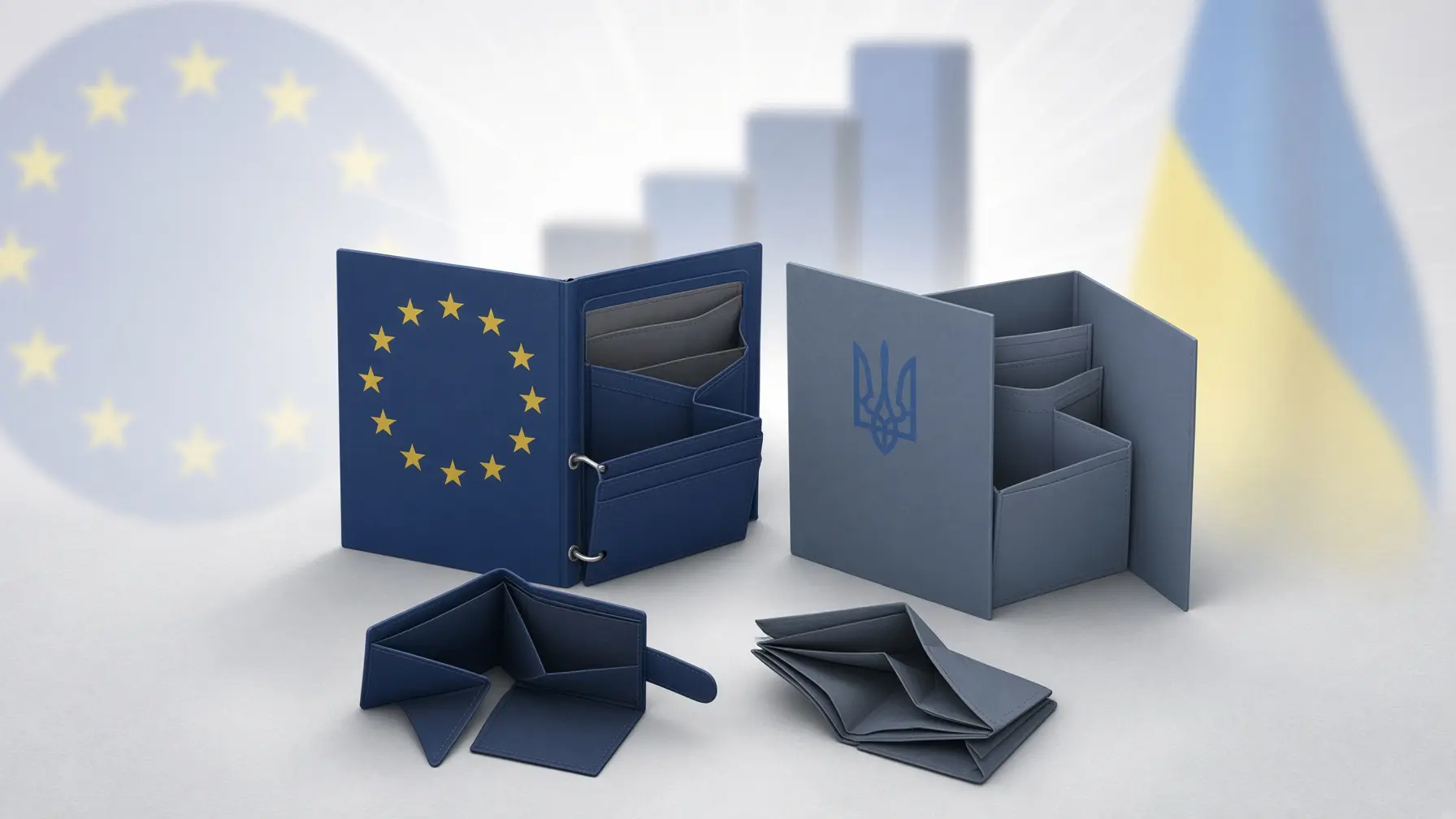
No agreement was reached on either the European Union's next seven-year budget or the new €45 billion loan planned for Ukraine at the extraordinary summit held in Brussels, which ended early Friday morning. Twenty-four member states lined up behind the loan proposal, but Hungary, Czechia and Slovakia stayed out, while the German chancellor is increasingly openly linking the distribution of EU…
London is looking for its reservists, but it has no contact details for tens of thousands of people
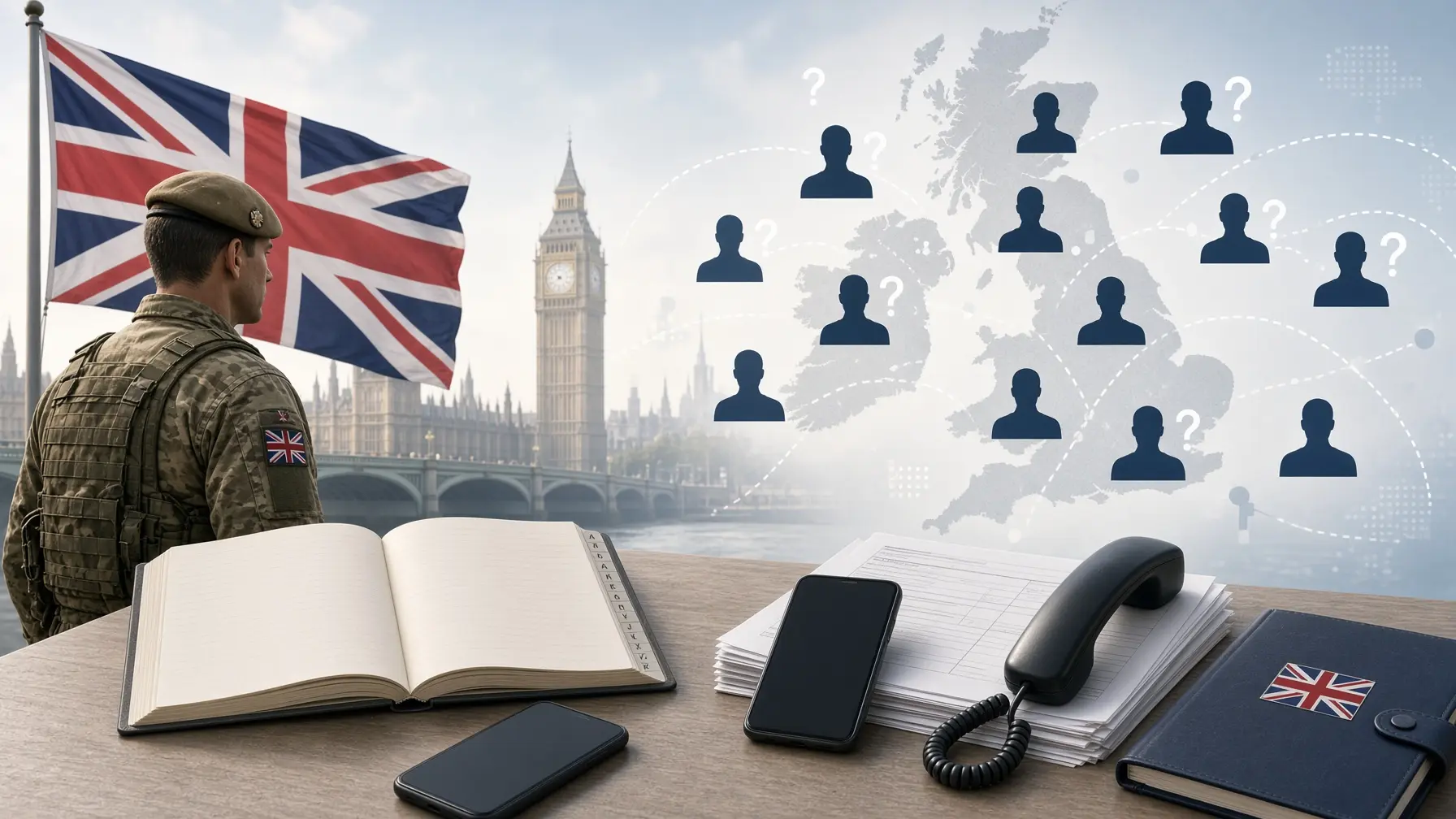
For the first time since the Cold War, the British Ministry of Defence has launched a comprehensive outreach to former soldiers of the strategic reserve to clarify where they can be reached and what experience they have gained since leaving service. The state of the records immediately proved the need for this preparation, since according to reports so far, out of roughly 95,000 people affected,…
Merz would defend Europe, the AfD would stab us in the back
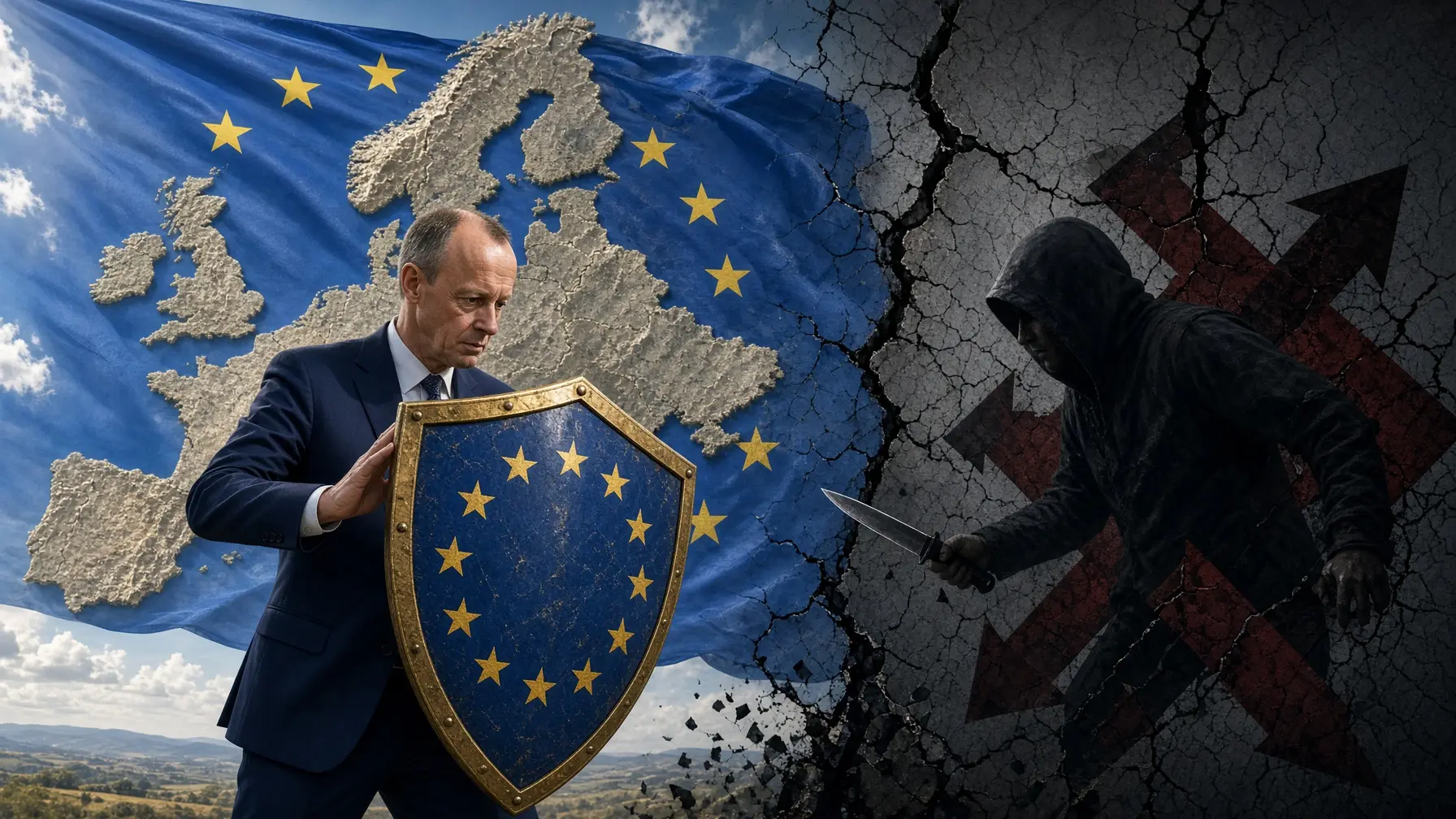
German Chancellor Friedrich Merz, during the Bundestag's budget debate, warned that Russia's threat extends far beyond Ukraine, and that Germany therefore cannot treat it as a distant war when its consequences have already appeared on its own territory. While the government justified spending on defense and support for Ukraine, the AfD, unsurprisingly, once again concluded that savings should…
Moscow's next move in Europe could already cost mass casualties
Russia is resorting to increasingly dangerous methods in its sabotage campaign against European countries, while the continent's response still falls short of what might deter Moscow from continuing - this is the warning of the London-based International Institute for Strategic Studies (IISS) in its November report, which states that the possibility of attacks causing mass casualties must now be…