No EU budget, no money for Ukraine either
No agreement was reached on either the European Union's next seven-year budget or the new €45 billion loan planned for Ukraine at the extraordinary summit held in Brussels, which ended early Friday morning. Twenty-four member states lined up behind the loan proposal, but Hungary, Czechia and Slovakia stayed out, while the German chancellor is increasingly openly linking the distribution of EU funds to the assumption of shared security burdens.
António Costa, President of the European Council, said after the November 26 talks that Bulgaria is among the twenty-four supporting countries, but would only take part in non-military funding, with particular regard to the regions of Ukraine where a Bulgarian minority lives. The issue will be back on the agenda in December, as will the EU's 2028–2034 budget, which requires the agreement of all member states to be adopted.
Péter Magyar, in his early Friday morning assessment, called the meeting pointless, saying the positions had drifted even further apart by the end of the talks, and he saw little chance of closing the budget dispute in December. According to the Hungarian prime minister, while everyone wants a deal, next year's elections are further narrowing the time available for negotiation, and Italian Prime Minister Giorgia Meloni said the member states are light years away from a solution. At the heart of the disagreement is how much the member states are willing to pay in, what they want to get more money for, and what kind of lasting commitment they would make to Ukraine. Dutch Prime Minister Rob Jetten justified the need for joint assistance by invoking the defense of European values, while Friedrich Merz indicated that Berlin would not accept a long-term budget that does not satisfactorily resolve Kyiv's financing.
The German position is especially uncomfortable for countries that, as net beneficiaries of EU funds, want to keep their subsidies while refusing to take on the burdens related to Ukraine. This does not yet mean that anyone's cohesion funds have been definitively cut, but it does mean that the two issues are becoming increasingly intertwined politically, and in the next budget negotiations it will be harder to treat the sums requested from the common pot separately from the share taken on in common defense — and let's add that it's high time the voice of the Union's net contributors was also heard more forcefully. All this could well be, at least in part, the effect of Viktor Orbán, whose notorious vetoes and tragicomic coffee breaks have dragged the level of EU debates so low that the states that, among others, also fund our prosperity have had their brains fried by one petty, money-grubbing boor after another.
The shadow of the French presidential election also looms over the negotiations, since Marine Le Pen, who leads in the polls, is promising to reduce France's net contribution to the EU and halt funding for Ukraine. Paris and Berlin therefore want an agreement that a potential far-right French leadership would find harder to dismantle, although Le Pen's room for maneuver would also depend on whether she wins a parliamentary majority. According to the Financial Times, France is requesting an additional €35 billion in agricultural subsidies, which would make it more costly for French farmers too if the agreement were overturned later, while Germany wants to enshrine long-term support for Ukraine in EU budget legislation. Berlin would also like decisions on additional funding to be made by majority vote, rather than requiring the approval of all twenty-seven governments every time. Meanwhile, several countries consider the Commission's proposed seven-year, €100 billion framework insufficient, and on top of that, the more than €50 billion in interest costs linked to the joint debt tied to Ukraine aid still needs to be settled.
The tone of Péter Magyar's government toward Ukraine differs significantly from that of its predecessor, but on the matter of the €45 billion loan, Budapest is still watching the others' burden-sharing from the same box seat as Prague and Bratislava. Friendlier words certainly have their value, but they are hard to account for in the budget of a country under attack, especially when electricity, hospital care and defense still have to be funded with real money.
Ugar
Did you like this article?
Support our work with a small donation
Secure payment via Stripe • Min. 2 EUR
Gesta recommendations:

Russian method: if you can't stop Ukrainian drones, ban talking about them
Under a legislative package submitted on November 26, publishing information about the consequences of Ukrainian strikes without official authorization could carry a prison sentence of up to five years in Russia, a bill that has outraged even some military bloggers who are enthusiastic supporters of the war. The draft invokes the defense of the state, while it could also serve to reduce the…

London is looking for its reservists, but it has no contact details for tens of thousands of people
For the first time since the Cold War, the British Ministry of Defence has launched a comprehensive outreach to former soldiers of the strategic reserve to clarify where they can be reached and what experience they have gained since leaving service. The state of the records immediately proved the need for this preparation, since according to reports so far, out of roughly 95,000 people affected,…
How Moscow is preparing for peace: a record sum for the army, less for hospitals
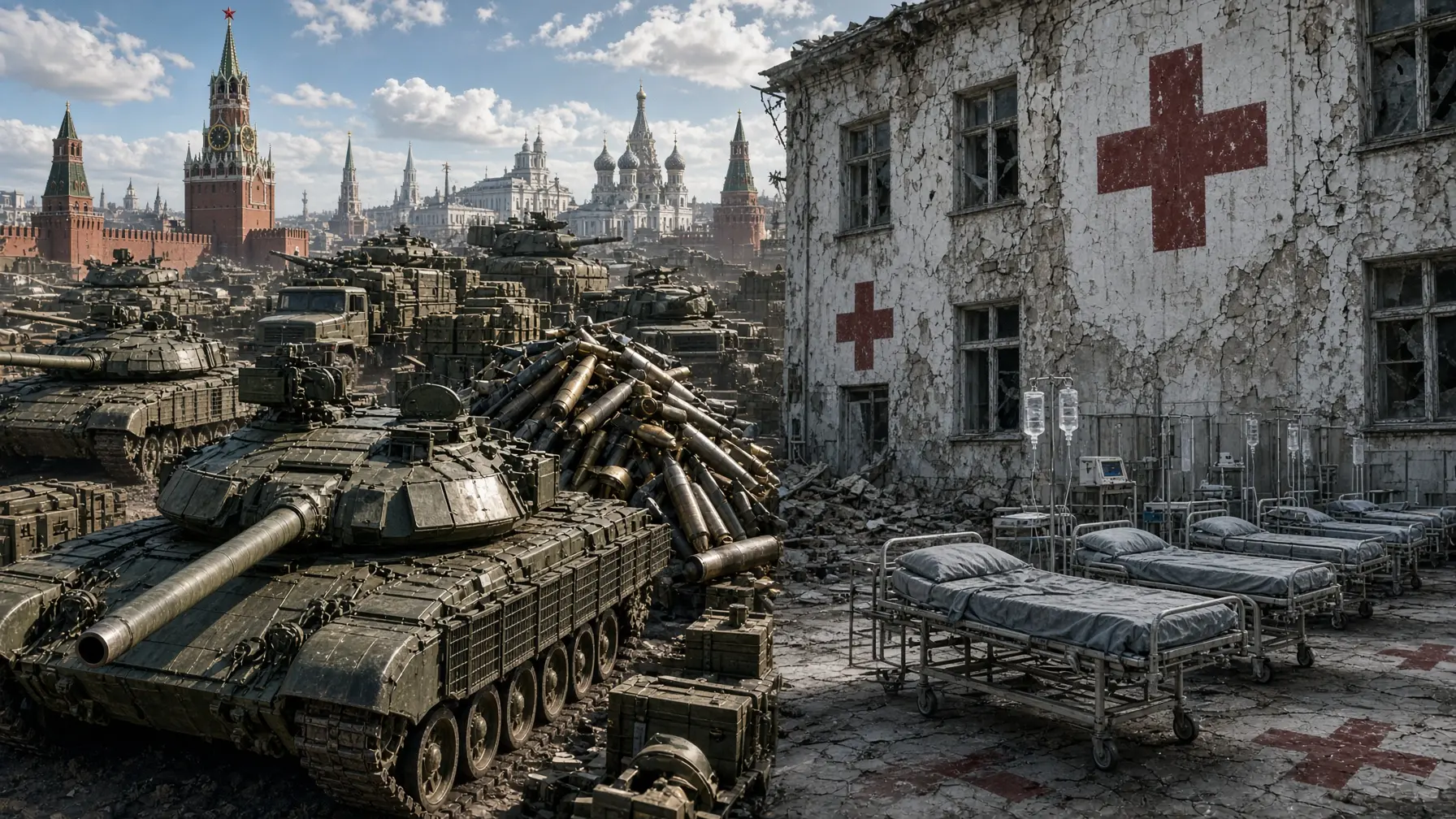
While the Kremlin talks about its desire for peace and keeps expecting further concessions from Ukraine, the Russian parliament has approved military spending for the next three years on a scale unseen since the Soviet Union. Under the 2027–2029 budget, the equivalent of some 606 billion dollars is earmarked for the army, while spending is being cut on health care, social benefits and housing.
Merz would defend Europe, the AfD would stab us in the back
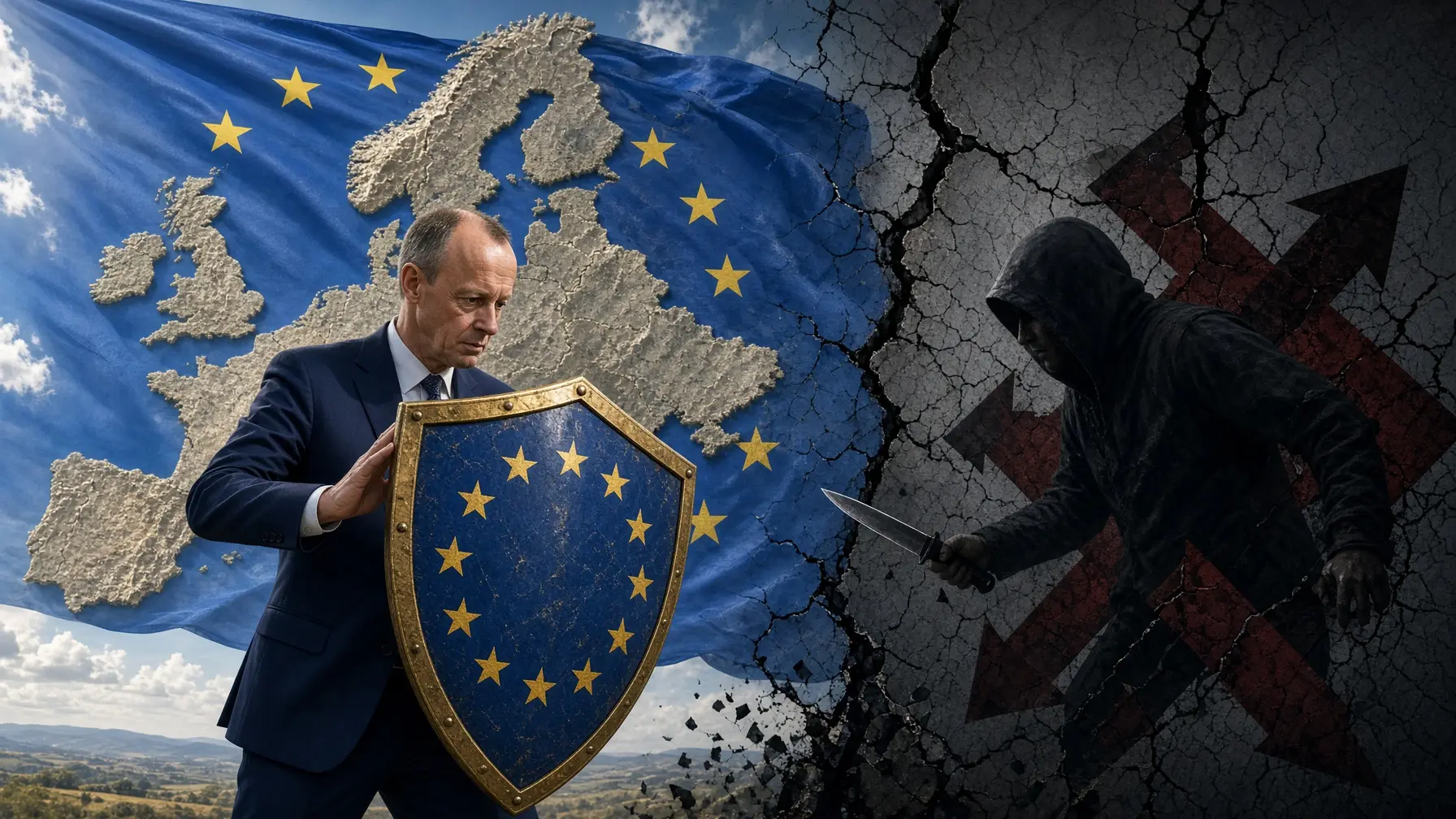
German Chancellor Friedrich Merz, during the Bundestag's budget debate, warned that Russia's threat extends far beyond Ukraine, and that Germany therefore cannot treat it as a distant war when its consequences have already appeared on its own territory. While the government justified spending on defense and support for Ukraine, the AfD, unsurprisingly, once again concluded that savings should…
Moscow's next move in Europe could already cost mass casualties
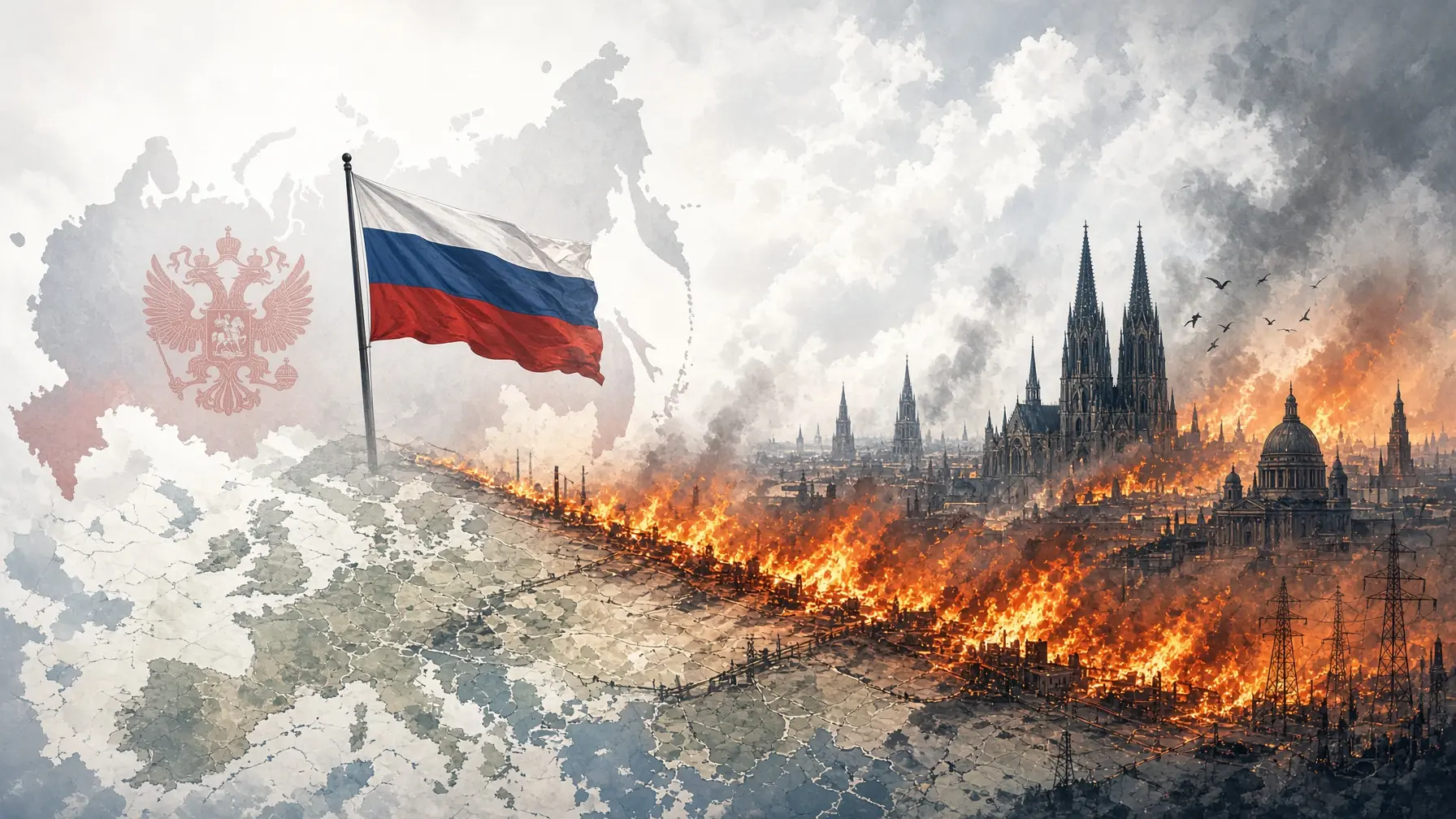
Russia is resorting to increasingly dangerous methods in its sabotage campaign against European countries, while the continent's response still falls short of what might deter Moscow from continuing - this is the warning of the London-based International Institute for Strategic Studies (IISS) in its November report, which states that the possibility of attacks causing mass casualties must now be…