London is looking for its reservists, but it has no contact details for tens of thousands of people
For the first time since the Cold War, the British Ministry of Defence has launched a comprehensive outreach to former soldiers of the strategic reserve to clarify where they can be reached and what experience they have gained since leaving service. The state of the records immediately proved the need for this preparation, since according to reports so far, out of roughly 95,000 people affected, letters could be sent to only about fifty thousand.
The first reports spoke of an effort to reach roughly one hundred thousand former soldiers, but Friday's report by LBC said the ministry is actually missing the contact details of tens of thousands more people. The strategic reserve consists of former professional soldiers and officers who, under certain conditions, must return to service, so it is far from irrelevant to the state whether it can find them if needed. Defence Secretary Wes Streeting described the outreach as a precaution made necessary by the deteriorating security situation, stressing that the letters do not signal mobilisation or an imminent war. Recipients are being asked to verify their contact details and to provide information on the qualifications and experience they have gained in civilian life, since in an emergency these could be just as important as their previous military service.
According to the information released, the strategic reserve would not be used to fill the usual peacetime staff shortages, but would be called upon in the event of a serious national crisis, wartime operations or other emergency. Streeting argued that a future inquiry committee would rightly question the government if, despite being aware of the threats, it had not even clarified who it could count on. The problems with the records are not a recent discovery, since earlier ministerial warnings had already pointed out that the system had gradually deteriorated since the Cold War. Contact with reservists, who used to be regularly trained and equipped, has been neglected, and now the first step of preparedness is partly for the state to put its own records back in order — which, in the fifth year of the war launched by Russia in Europe, can hardly be called a hasty move.
Ugar
Did you like this article?
Support our work with a small donation
Secure payment via Stripe • Min. 2 EUR
Gesta recommendations:
No EU budget, no money for Ukraine either
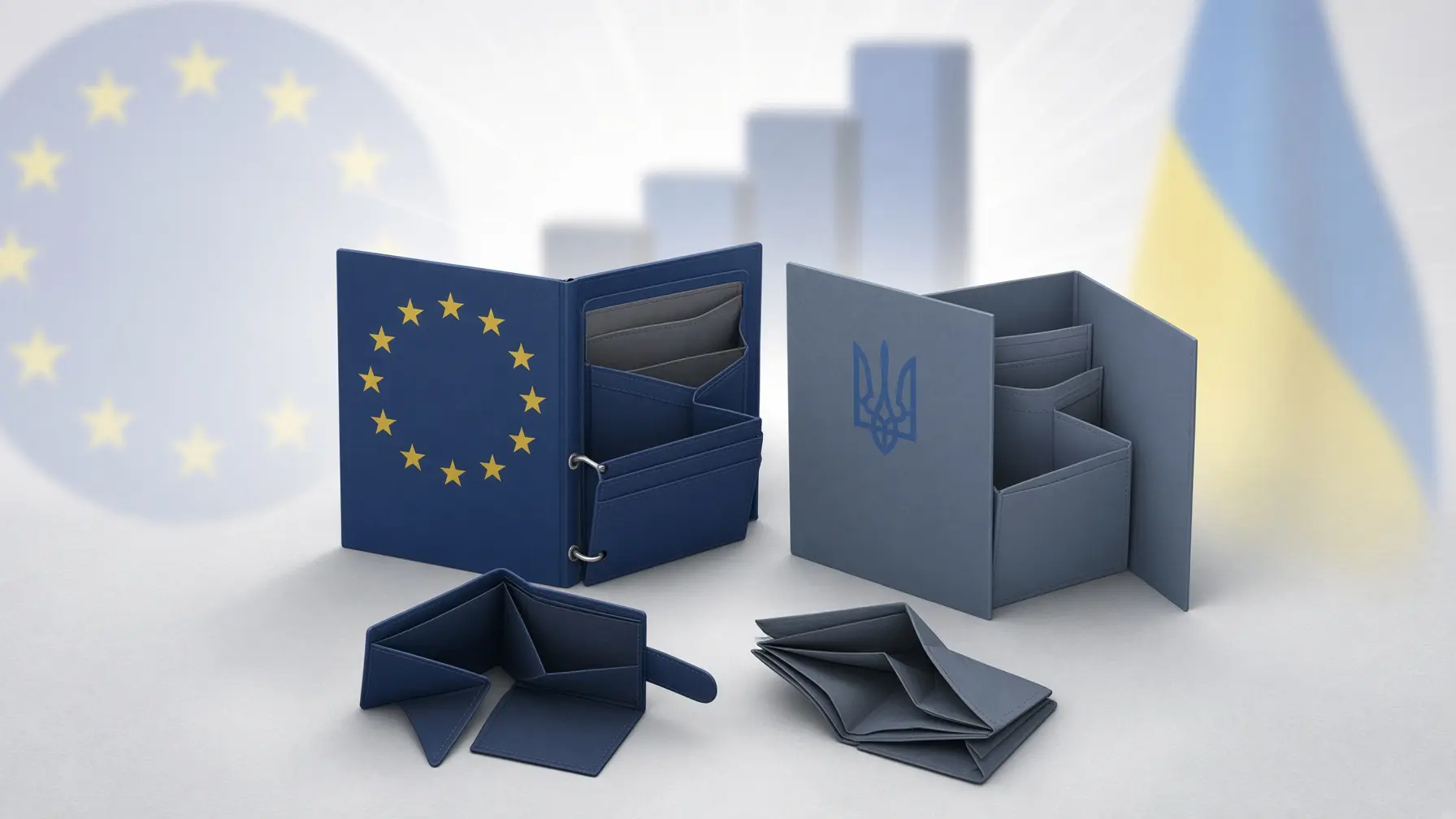
No agreement was reached on either the European Union's next seven-year budget or the new €45 billion loan planned for Ukraine at the extraordinary summit held in Brussels, which ended early Friday morning. Twenty-four member states lined up behind the loan proposal, but Hungary, Czechia and Slovakia stayed out, while the German chancellor is increasingly openly linking the distribution of EU…
How Moscow is preparing for peace: a record sum for the army, less for hospitals
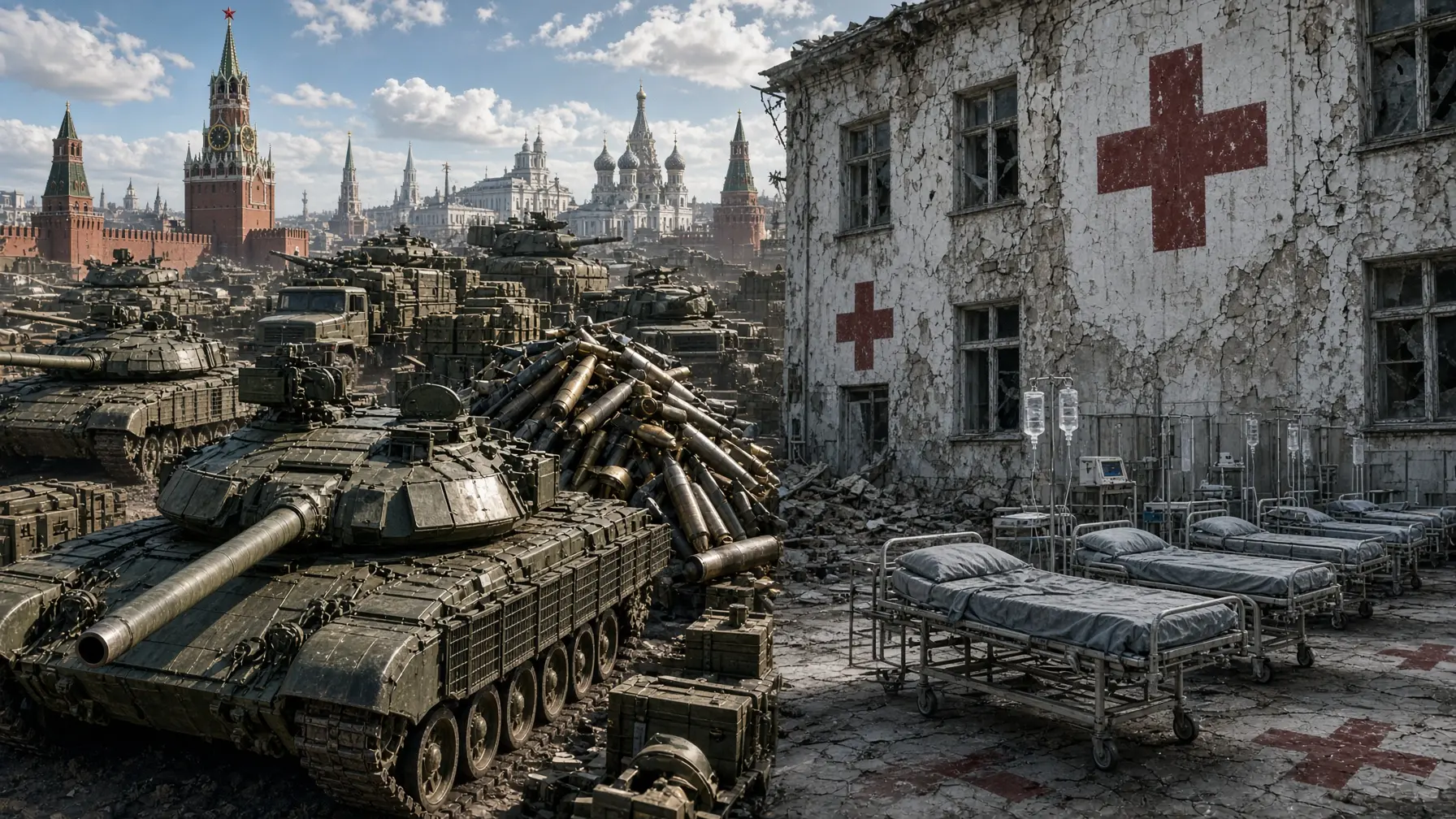
While the Kremlin talks about its desire for peace and keeps expecting further concessions from Ukraine, the Russian parliament has approved military spending for the next three years on a scale unseen since the Soviet Union. Under the 2027–2029 budget, the equivalent of some 606 billion dollars is earmarked for the army, while spending is being cut on health care, social benefits and housing.

Merz would defend Europe, the AfD would stab us in the back
German Chancellor Friedrich Merz, during the Bundestag's budget debate, warned that Russia's threat extends far beyond Ukraine, and that Germany therefore cannot treat it as a distant war when its consequences have already appeared on its own territory. While the government justified spending on defense and support for Ukraine, the AfD, unsurprisingly, once again concluded that savings should…
Moscow's next move in Europe could already cost mass casualties
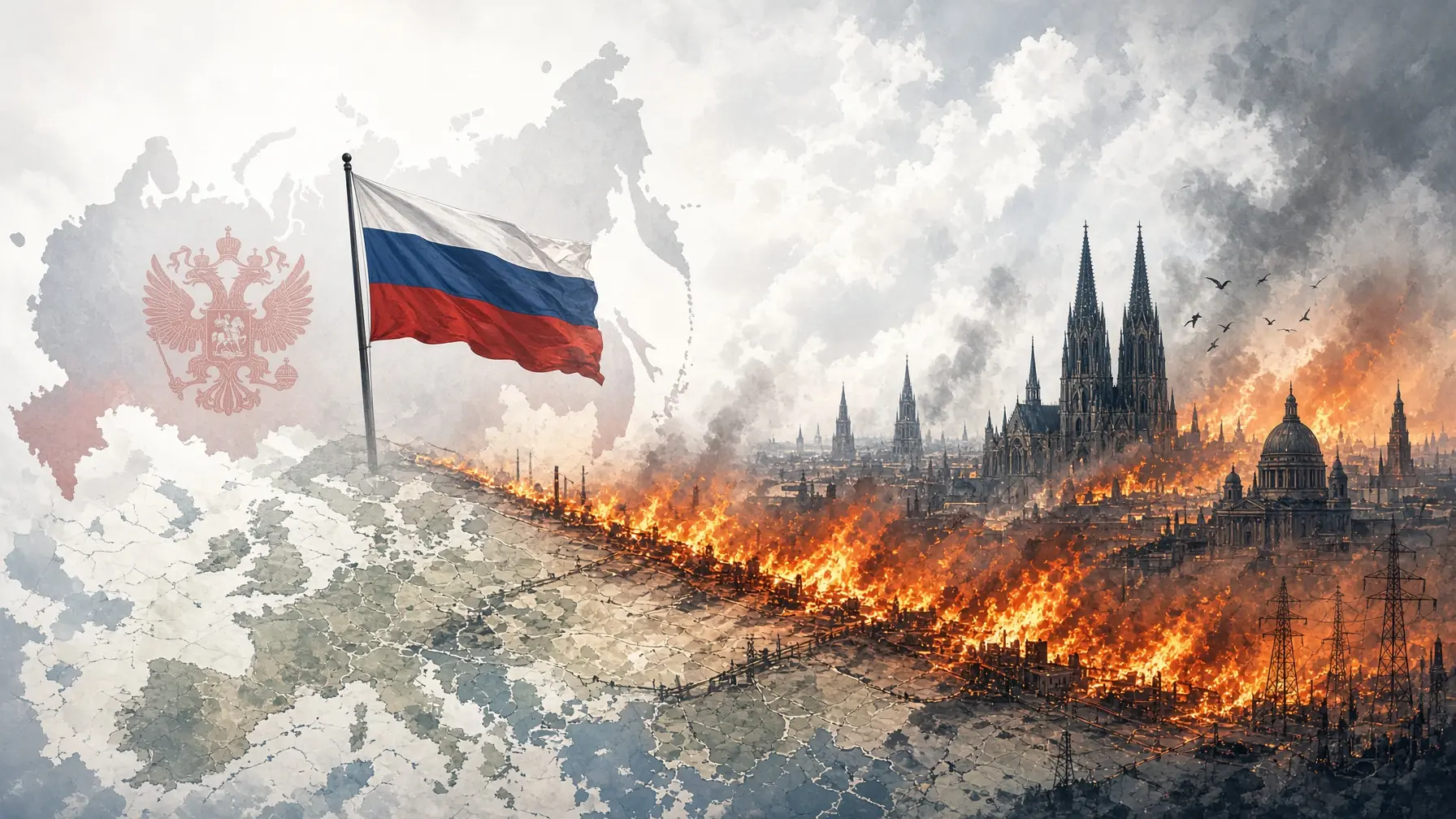
Russia is resorting to increasingly dangerous methods in its sabotage campaign against European countries, while the continent's response still falls short of what might deter Moscow from continuing - this is the warning of the London-based International Institute for Strategic Studies (IISS) in its November report, which states that the possibility of attacks causing mass casualties must now be…
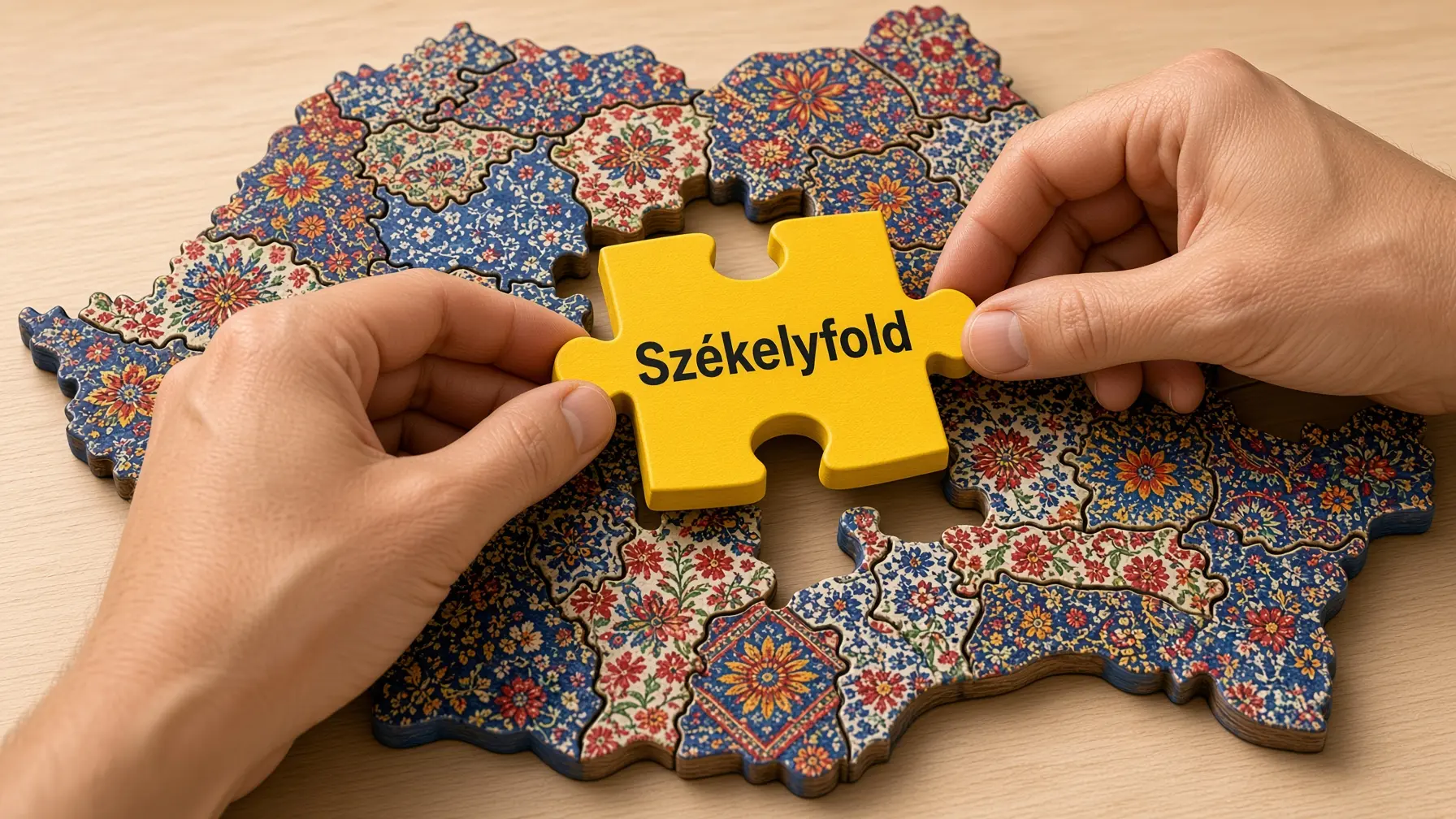
Petition to Keep Szeklerland United
Ahead of Romania's administrative reorganization, the Szekler National Council and the Szeklerland Regional Council of Local Authorities of the Democratic Alliance of Hungarians in Romania (RMDSZ) are submitting a joint petition to the parliament and government, requesting that the 149 municipalities making up Szeklerland be placed into a single administrative region. The initiative was agreed on…