Russian method: if you can't stop Ukrainian drones, ban talking about them
Under a legislative package submitted on November 26, publishing information about the consequences of Ukrainian strikes without official authorization could carry a prison sentence of up to five years in Russia, a bill that has outraged even some military bloggers who are enthusiastic supporters of the war. The draft invokes the defense of the state, while it could also serve to reduce the amount of independently verifiable information reaching the public about air-defense failures and the war's consequences inside Russia.
The proposals, submitted to the State Duma by Senator Andrei Klishas and other senators, would restrict not only reports on the consequences of drone, missile and artillery strikes, but also information about the deployment of military equipment and the production or storage of weapons and ammunition. The ban would extend to depicting the aftermath of terrorist attacks, sabotage operations and assassination attempts against officials, while an exception would apply to information released by, or coordinated with, the authorities. For a first offense, individuals could face fines of 30,000–50,000 rubles, officials 100,000–200,000 rubles, and legal entities 300,000–500,000 rubles, with foreigners also facing deportation alongside the penalty. Repeat violations could carry a prison sentence of up to three years, and if the publication caused harm to health, property damage, mass disturbances or disruption of infrastructure operations, the sentence could reach five years, with the websites involved subject to blocking even without a court ruling. The bill's initiators argue that the Ukrainian side can use published images and videos to assess the results of strikes and then use that information to refine subsequent attacks. Such footage is already restricted in Moscow and more than thirty Russian regions, but the new package would extend the system nationwide and back it with the threat of criminal prosecution.
Authors of the pro-war channel Dva Mayora see in this a convenient way for military commanders to more easily avoid accountability, since if information about strikes can no longer be published, it will also become harder to discuss shortcomings in air-defense organization. The channel Voyennyy Osvedomitel warned that the ban would cover not only photos or videos but even the mere mention of attacks, so that a short report about a strike on Belgorod could itself become grounds for a criminal case. The plan for the crackdown became public almost simultaneously with the arrest of Colonel General Yuri Grekhov, deputy commander-in-chief for armament of Russia's Aerospace Forces, ordered on November 25 by Moscow's 235th Garrison Military Court. Grekhov is under investigation on suspicion of large-scale bribery, while military commentators and Russian analysts have also linked his downfall to the air-defense failures that came to light after the Ukrainian attack on the Crimean bridge. Together, the two cases illustrate well what kind of responses the Russian authorities are turning to as the consequences of the war become increasingly hard to conceal even at home: another arrest within the military leadership, and another ban being prepared for the public. Of course, the fact that filming a burning facility could land someone in prison won't put out the fire at the facility — but at least it will make it easier to keep improving the performance of air defense in official reports.
Frenzy
Did you like this article?
Support our work with a small donation
Secure payment via Stripe • Min. 2 EUR
Gesta recommendations:
No EU budget, no money for Ukraine either
No agreement was reached on either the European Union's next seven-year budget or the new €45 billion loan planned for Ukraine at the extraordinary summit held in Brussels, which ended early Friday morning. Twenty-four member states lined up behind the loan proposal, but Hungary, Czechia and Slovakia stayed out, while the German chancellor is increasingly openly linking the distribution of EU…
London is looking for its reservists, but it has no contact details for tens of thousands of people
For the first time since the Cold War, the British Ministry of Defence has launched a comprehensive outreach to former soldiers of the strategic reserve to clarify where they can be reached and what experience they have gained since leaving service. The state of the records immediately proved the need for this preparation, since according to reports so far, out of roughly 95,000 people affected,…
How Moscow is preparing for peace: a record sum for the army, less for hospitals
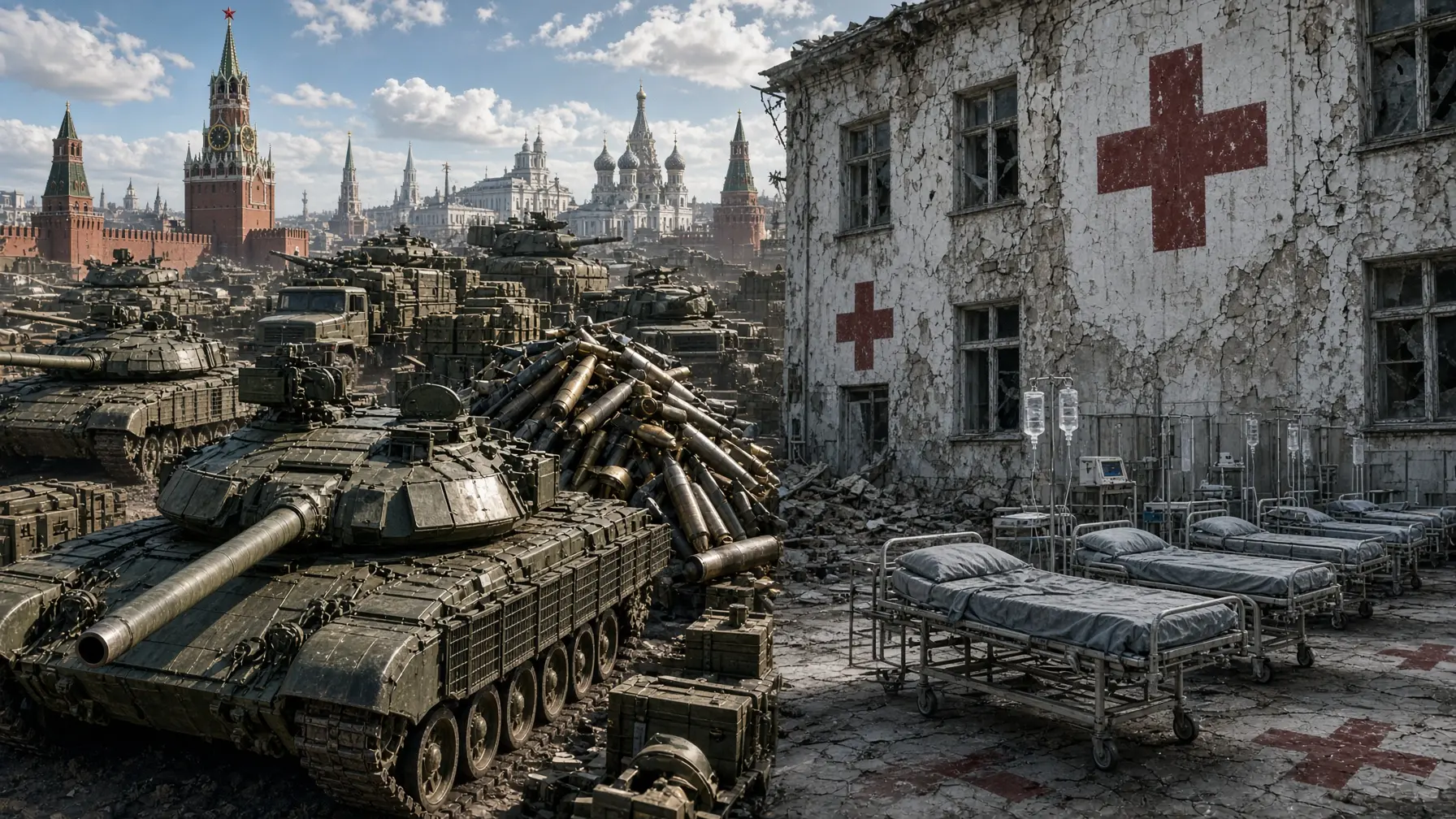
While the Kremlin talks about its desire for peace and keeps expecting further concessions from Ukraine, the Russian parliament has approved military spending for the next three years on a scale unseen since the Soviet Union. Under the 2027–2029 budget, the equivalent of some 606 billion dollars is earmarked for the army, while spending is being cut on health care, social benefits and housing.
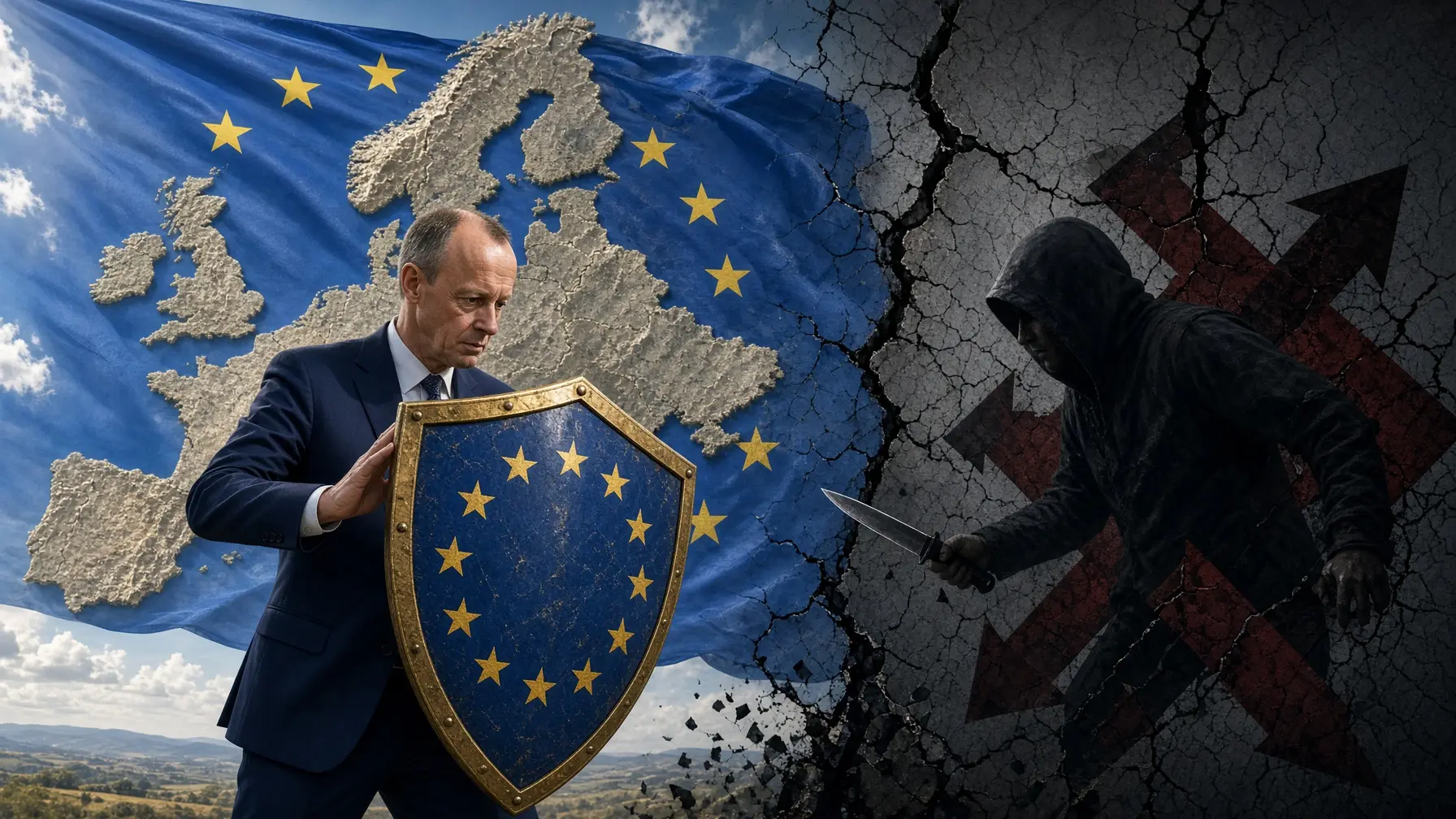
Merz would defend Europe, the AfD would stab us in the back
German Chancellor Friedrich Merz, during the Bundestag's budget debate, warned that Russia's threat extends far beyond Ukraine, and that Germany therefore cannot treat it as a distant war when its consequences have already appeared on its own territory. While the government justified spending on defense and support for Ukraine, the AfD, unsurprisingly, once again concluded that savings should…
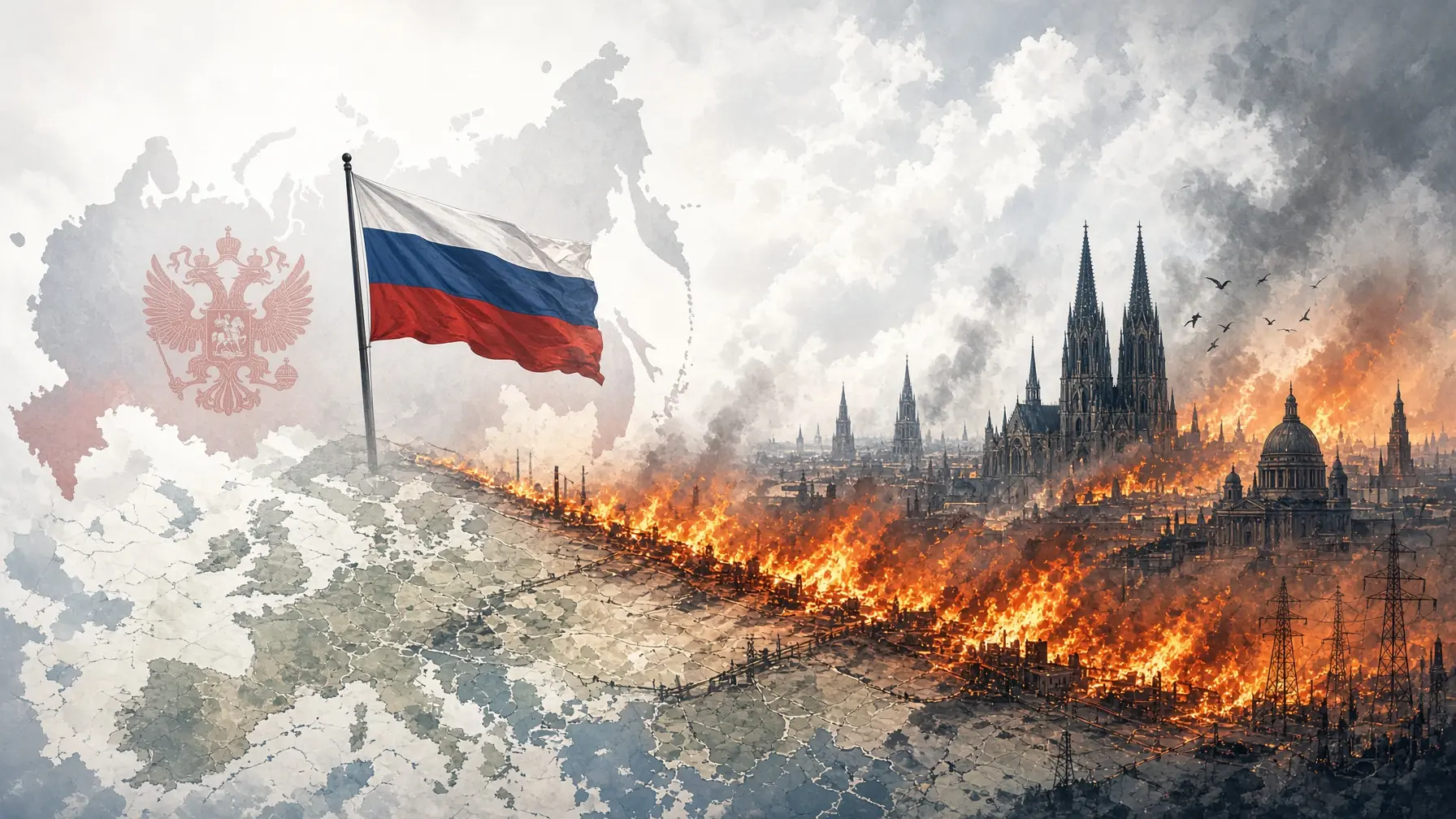
Moscow's next move in Europe could already cost mass casualties
Russia is resorting to increasingly dangerous methods in its sabotage campaign against European countries, while the continent's response still falls short of what might deter Moscow from continuing - this is the warning of the London-based International Institute for Strategic Studies (IISS) in its November report, which states that the possibility of attacks causing mass casualties must now be…