
Putin wants Eastern Europe back: his maximalist list of demands leaked
Vladimir Putin wants not only to force Ukraine to its knees but also to redraw the security map of Eastern Europe to match the way it looked in the early 1990s — this emerges from an unofficial Russian document (a so-called non-paper) obtained by The New York Times, the contents of which were also published by Germany's Bild and Russia's independent Echo. The list was summarized by Meduza.
The Kremlin's demands became public after the Russian–Ukrainian talks held with American mediation in Abu Dhabi on November 10–11, and after Steve Witkoff and Jared Kushner's visit to Moscow on Thursday. According to Meduza, the demands largely repeat the ultimatum Moscow sent to NATO and Europe in December 2021, two months before the full-scale invasion of Ukraine. According to The New York Times, the list would divide Europe into spheres of influence reminiscent of the Cold War, and the focus of the talks has now shifted from Ukraine to the postwar European security order.
Ukraine: territory, disarmament, the Russian language
According to the list published by Bild and Echo, Moscow is demanding the whole of Donbas from Ukraine, including the parts of Donetsk and Luhansk regions still under Ukrainian control. Ukrainian troops would have to withdraw entirely from the region, and Russia would keep all the other occupied territories as well. Ukraine could not become a NATO member and would be given non-aligned status; the West would have to halt all deliveries of weapons, military equipment and matériel to Kyiv, and NATO would have to stop all military activity in Ukraine. The ports of Odesa and Mykolaiv would have to be demilitarized so that Ukraine could not use them as naval bases. The Russian language would receive special status in Ukraine — a point that also appeared in the Russian Foreign Ministry's 2025 memorandum. Moscow would accept Ukraine's EU membership only if Kyiv stayed out of the bloc's common defense policy, meaning Ukraine would join the EU but remain defenseless.
NATO pushed back to 1997
The most serious part of the list does not even concern Ukraine. According to the document obtained by The New York Times, Moscow is demanding that NATO stop expanding altogether and return to its 1997 borders — that is, to its state before the countries of Central and Eastern Europe joined. This would affect Poland, the Czech Republic and Hungary, Romania, Bulgaria, Slovakia, Slovenia and the Baltic states, as well as the countries that joined later. NATO would have to halt its military activity in Eastern Europe, the South Caucasus and Central Asia, and give up the “shared use” of nuclear weapons, under which American nuclear arms are stored on the territory of European allies. A new element is that France and the United Kingdom would have to pledge not to use their nuclear weapons to defend other European states. This would effectively dismantle Europe's nuclear deterrent and leave defenseless exactly those countries that Moscow is threatening.
According to the list published by Bild and Echo, Moscow is also demanding that NATO maintain no military bases in Estonia, Latvia, Lithuania and Finland, and that Finland leave the alliance altogether — although Kremlin spokesman Dmitry Peskov later denied this particular demand. A “club” of NATO member states would have to prevent Ukraine, Moldova, Georgia or Armenia from ever joining the alliance. Agreements on the Black Sea and the Baltic Sea would have to guarantee freedom of navigation, which in practice would mean free movement for the Russian fleet off the coasts of NATO states.
Moldova and Belarus
The points concerning Moldova directly affect Romania. According to the list, Moldova would be turned into a federal republic that would include the breakaway Transnistria region and Gagauzia, and if Moldova joined the EU, the two regions could hold a referendum on independence. In exchange, Russian troops would withdraw from Transnistria, and Moldova would receive non-aligned status. Moscow already tried to force the same federalization solution on Moldova back in 2003, in the so-called Kozak memorandum, unsuccessfully at the time. What appears on the list as a commitment from Moscow is barely more than a gesture: it would withdraw its nuclear weapons from Belarus and refrain from deploying intermediate-range missiles there — in other words, it would be withdrawing weapons that it itself deployed there in recent years.
Achievable, or just a bluff?
According to press reports citing Russian sources, Putin may show “flexibility” on some points; the parties are not disclosing the details of the talks publicly, and there has been no official Ukrainian reaction so far. The list, however, shows the same thing as the Abu Dhabi talks: Moscow is not negotiating an end to the war but is seeking a European order in which Ukraine, Moldova and Romania — which joined NATO in 2004 — would once again live in Russia's shadow, and NATO would be unable to defend the countries Russia might strike. NATO Secretary General Mark Rutte said in Dublin that the United States, Europe and Ukraine largely agree on the security guarantees. What will come of this will become clear at the next round, in which Poland will also take part as a member of the European negotiating group — we can only hope that Sikorski will be the one representing it.
Fallow
V-a plăcut articolul?
Susțineți munca noastră cu o donație mică
Plată securizată prin Stripe • Min. 2 EUR
Recomandări Gesta:
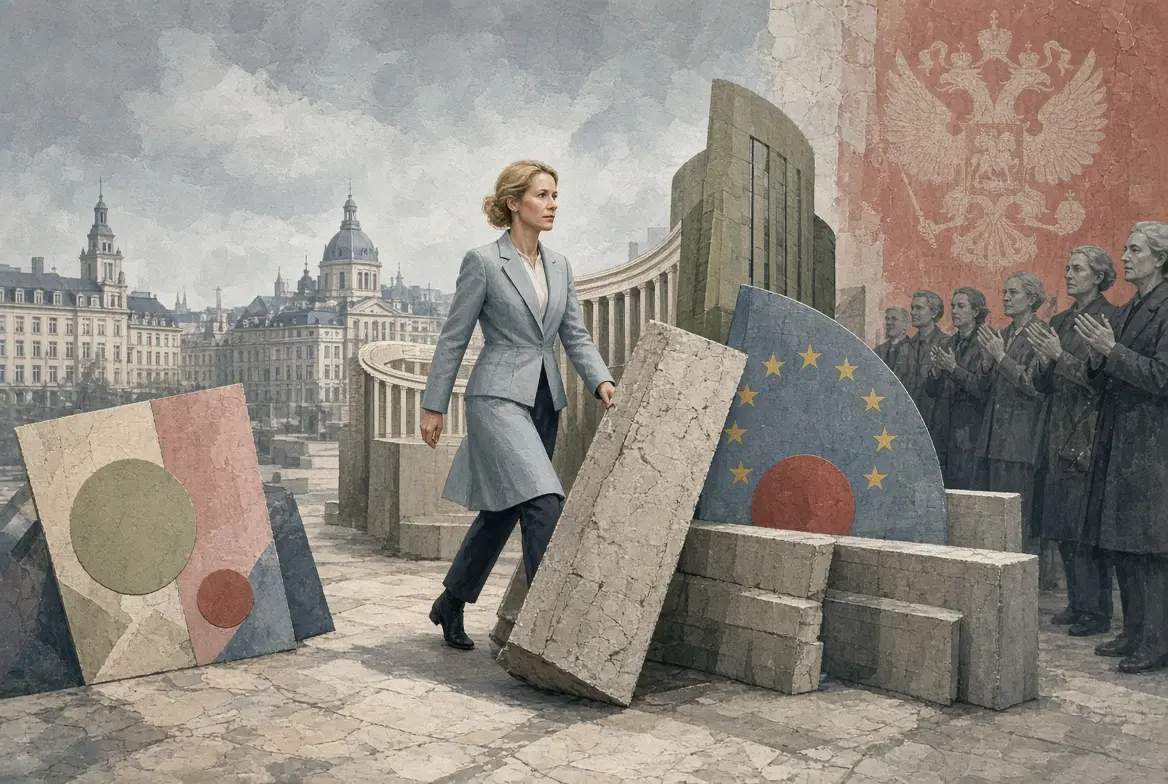
Rușii pot aplauda, Bruxelles a torpilat din nou pe Kaja Kallas
Kaja Kallas, șefa diplomației Uniunii Europene, dorea să fie trimisul special al UE pentru negocierile privind încheierea războiului Rusiei împotriva Ucrainei, dar liderii UE au decis vineri seara, la Dublin, să opteze pentru o altă soluție. „Rușii nu mă vor pe mine” – a declarat Kallas vineri dimineață, înainte de reuniunea informală a liderilor UE din capitala Irlandei.
„Plănuiesc să supraviețuiesc Federației Ruse”
Când, în dimineața zilei de 24 februarie 2022, Volodymyr Mykolaienko s-a trezit la sunetul exploziilor, i-a spus soției sale: „Asta a fost, mă duc să apăr orașul.” Nu putea ști atunci că, peste câteva săptămâni, rușii îl vor răpi, ascunzându-l în portbagajul unei maşini, și că vor trece aproape trei ani și jumătate până va putea reveni acasă liber.
De la stâlpul din Doneţk la scena Berlinale: povestea Irinei Dovhan
Irina Dovhan își stropea florile când, în august 2014, la ea acasă au venit bărbați înarmați și au răpit-o, pentru că ajutase armata ucraineană. A fost bătută, amenințată, apoi dusă într-o piață din Doneţk, aflat sub ocupaţie, unde a fost înfăşurată într-un drapel ucrainean şi legată de un stâlp. Mai mulţi trecători au bătut-o, alţii s-au fotografiat cu ea. O fotografie făcută acolo a contribuit,…
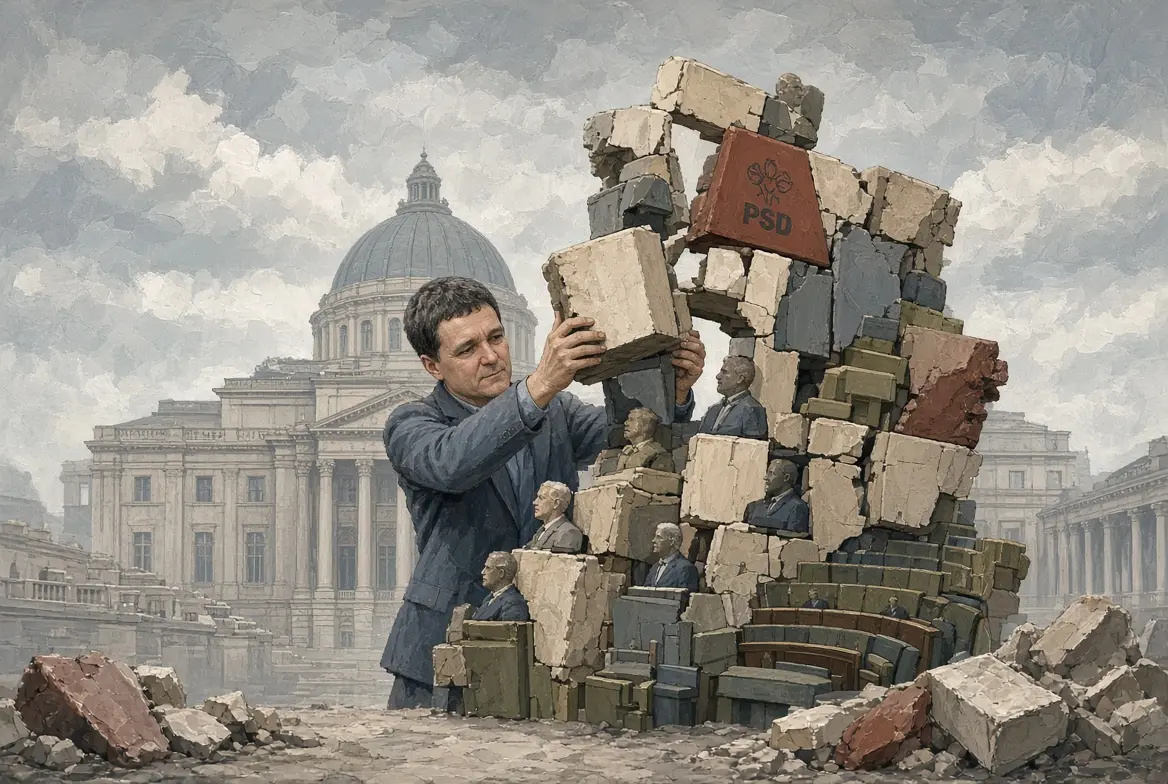
Nicușor Dan a admis că el a construit majoritatea de guvernare formată de PSD
Președintele Nicușor Dan a admis deschis că el personal a căutat și a format majoritatea parlamentară care a adus la putere guvernul Niculescu, condus de PSD. „S-a întâmplat că guvernul a picat, iar eu a trebuit să găsesc o majoritate. Mi-a luat cinci luni și jumătate să o găsesc” – a declarat el joi la Dublin, în cadrul conferinței de presă de la al nouălea summit al Comunității Politice…
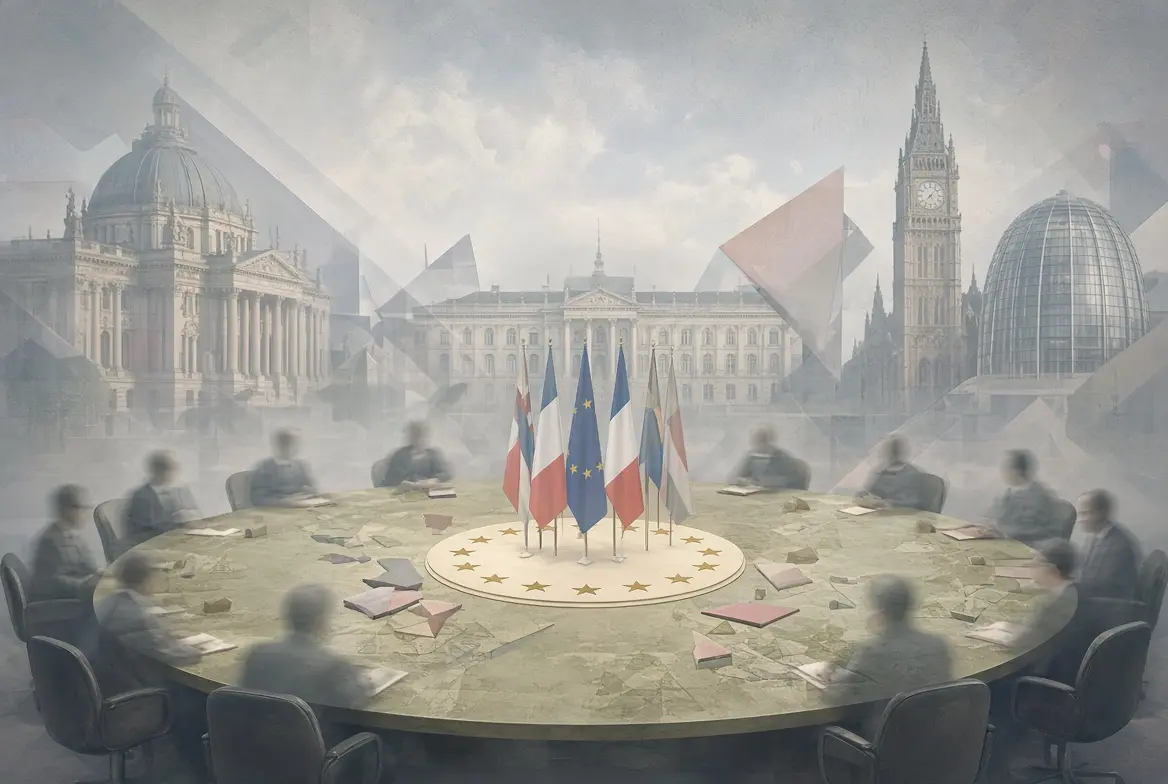
Și Europa va participa la negocierile de pace, doar că detaliile nu sunt încă cunoscute
Marea Britanie, Germania, Franța, Italia și Polonia ar reprezenta Europa, alături de instituțiile UE, la negocierile privind încheierea războiului Rusiei împotriva Ucrainei – a anunțat António Costa, președintele Consiliului European, după summitul de la Dublin. Liderii europeni cer un armistițiu, în timp ce Moscova ar discuta deja și despre locul în care ar putea fi staționate trupele NATO în…