
20 years in the EU: Negrescu calls for a new European plan for Romania
Twenty years after Romania and Bulgaria joined the European Union on January 1, 2007, Victor Negrescu, the PSD vice-president of the European Parliament, says Romania needs a new European programme that unites the political class and civil society. “We need a new European project for our country, a European plan for Romania,” he said at the European Parliament's building in Brussels, at the event marking the twentieth anniversary of Romania's and Bulgaria's accession.
Negrescu also believes the anniversary is a good occasion to better explain to Romanians what they have gained from EU membership, since in his view “there is still much to be done.” The new plan would have three main directions: Romania should take the lead in drawing down EU funds, gain greater influence over EU decisions that affect it, and ensure that the Black Sea region and Romania's security interests become EU priorities. According to Negrescu, all of this should also be reflected in the next EU budget, for 2028–2034, which member states are currently negotiating.
The anniversary finds Romania with a mixed record. In 2023 the country was freed from the EU's mechanism for monitoring its justice system, and at the start of 2025 it became a full member of the Schengen area. At the same time, however, adopting the euro remains a distant goal, the country is under an excessive deficit procedure, it is also lagging behind in drawing down funds from the EU's recovery facility, and according to polls, more than a third of voters would vote for a party that questions the very foundations of EU membership. Negrescu's appeal, then, is not merely a ceremonial gesture: it is also about how EU membership can remain a basic political consensus in Romania.
Ugar
Did you like this article?
Support our work with a small donation
Secure payment via Stripe • Min. 2 EUR
Gesta recommendations:
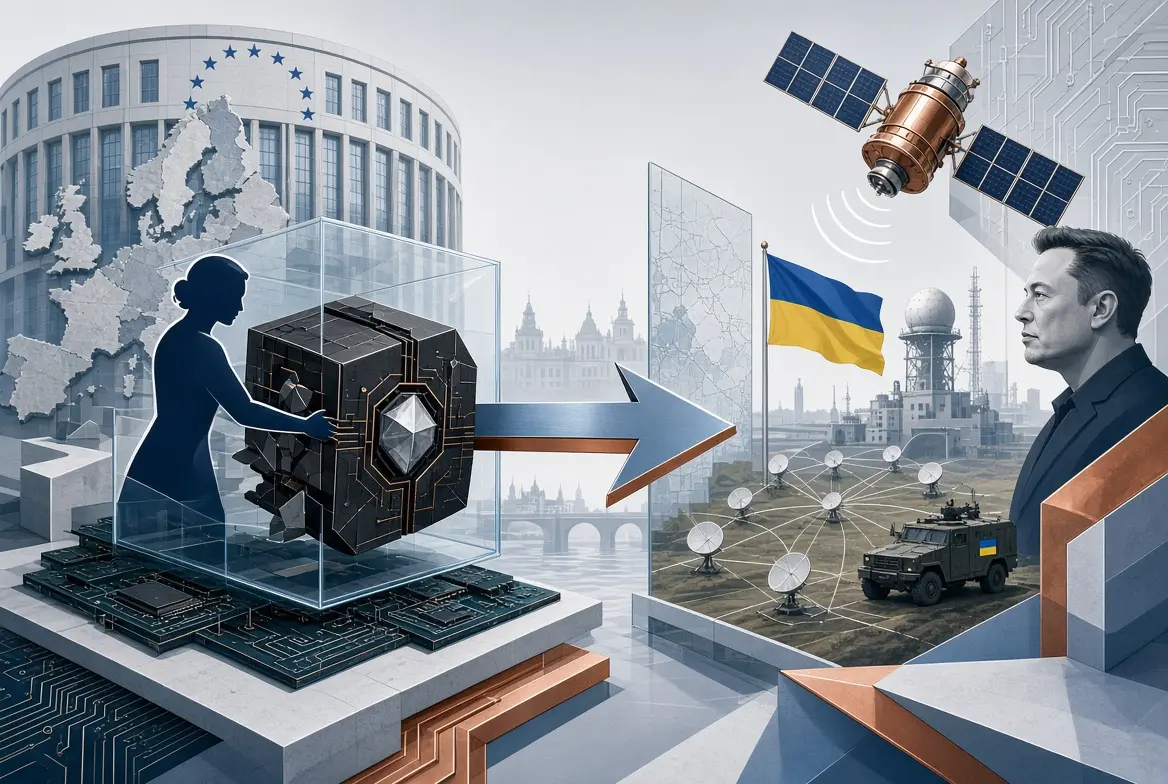
Europe wants to replace Palantir, Musk showed why in Ukraine
European defense ministries want to reduce their dependence on key military tasks on the American company Palantir Technologies and other American technology firms, and an increasing number of European companies are competing for the market being vacated. Germany, France and the Netherlands are all building their own European systems for what Palantir's software has been used for or would have…
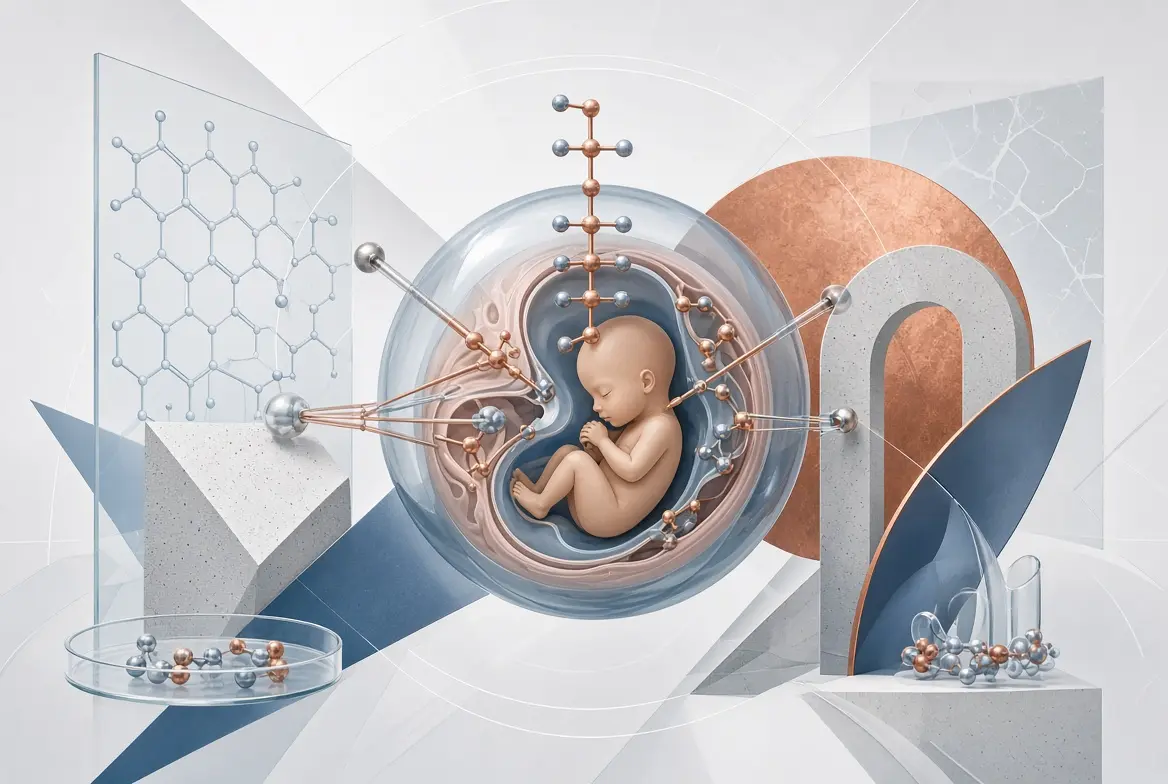
We receive the chemicals that disrupt our hormonal system even before we are born
Chemicals that disrupt the human hormonal system are now present almost everywhere in our environment: in plastics, cosmetics, toys and pesticides, and researchers have detected them in human blood, breast milk and umbilical cord blood. This means that exposure begins even before birth. This is revealed in a joint report by the United Nations Environment Programme (UNEP) and the World Health…

Oops: NSA's secret network goes down
A few days after Microsoft's worldwide outage and the flight ban that paralyzed American airports, service was also interrupted in one of the United States' most sensitive IT systems: the strictly classified internal network through which employees of the National Security Agency (NSA) share classified information went down. No connection has so far been established between the failures, and at…

Lasconi would support an alliance between the PNL and the USR, but fears that everyone will once again want too much
Elena Lasconi believes it would do Romania's right wing good if the PNL and the USR joined forces and tried to win back the trust of voters disillusioned with the parties under a new name, but she is less convinced that such an agreement could actually come about. The former USR leader explained her doubts by drawing on her own experience from her presidential campaign, recalling that in…
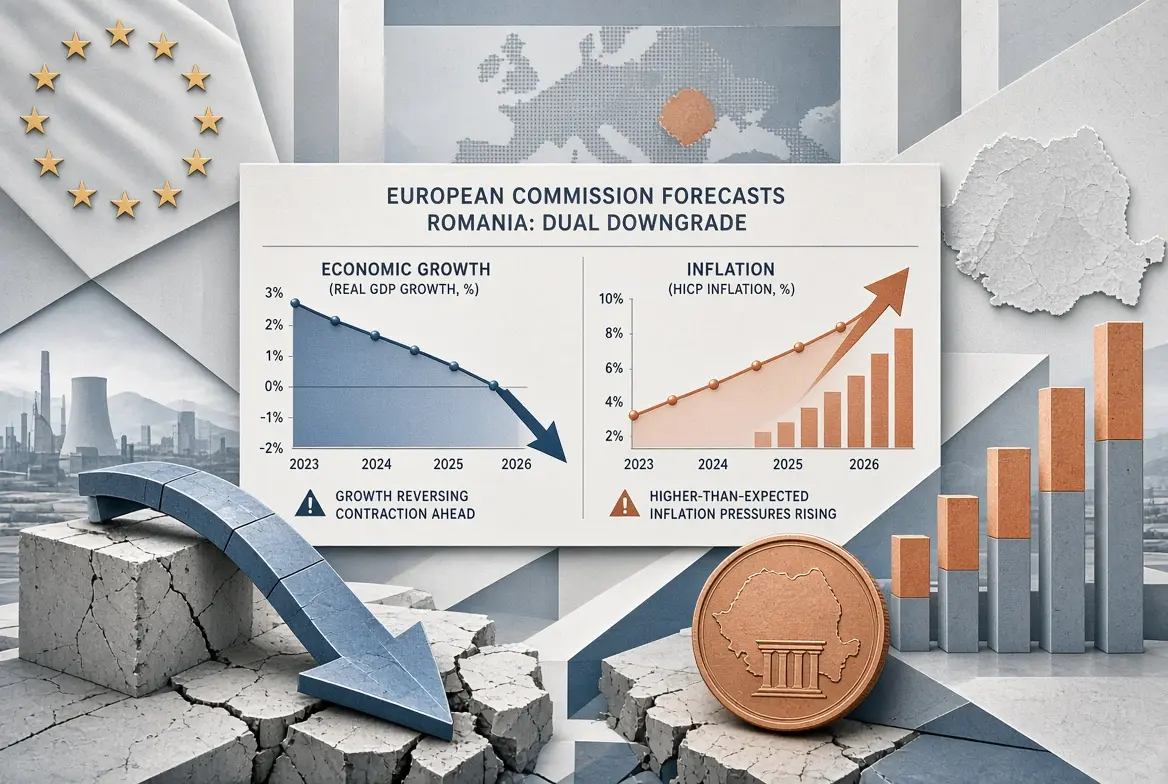
The European Commission expects Romania's economy to contract instead of grow, while inflation will also be higher than hoped
Romania's economy could shrink by 0.3 percent this year, while average annual inflation may reach 7.9 percent, according to the European Commission's autumn forecast published on November 17. Back in spring, Brussels was still projecting modest growth of 0.1 percent and inflation of seven percent, but the current assessment shows that budget austerity, rising prices and uncertainty are weighing…