
The European Commission expects Romania's economy to contract instead of grow, while inflation will also be higher than hoped
Romania's economy could shrink by 0.3 percent this year, while average annual inflation may reach 7.9 percent, according to the European Commission's autumn forecast published on November 17. Back in spring, Brussels was still projecting modest growth of 0.1 percent and inflation of seven percent, but the current assessment shows that budget austerity, rising prices and uncertainty are weighing on the economy more heavily than expected.
The downturn is largely due to the fact that households have less money to spend, while companies have also become more cautious about investment. According to the Commission, economic output fell both in the last quarter of 2025 and in the first half of 2026, with household consumption dropping by more than two percent—a result of the freeze on public-sector wages and pensions, as well as inflation, which in the meantime climbed close to ten percent. Private investment, meanwhile, was held back by prolonged political uncertainty and rising energy prices, so the weakening demand could only be partly offset by state-funded development projects financed from the EU recovery fund. Brussels expects stabilization in the second half of the year, but according to the forecast, the country will only emerge from its mild recession in 2027, when GDP could grow by 1.8 percent, with growth accelerating to 2.2 percent in 2028. Next year's outlook is thus weaker than expected in spring, when growth of 2.3 percent was projected for 2027.
The improvement could be helped by slowing inflation and certain pension and public-sector wage increases, which may again boost households' purchasing power, while a more predictable political environment could also strengthen investment appetite. However, as projects financed from the recovery plan wind down, an important pillar of support will weaken, and its place should be partly taken over by better use of cohesion funds and a revival in private investment. The labor market is also showing signs of a slowdown, which is why the Commission expects unemployment of 6.7 percent this year, potentially falling to 6.4 percent in 2027 and 5.8 percent in 2028 as the economy picks up. Meanwhile, the purchasing power of wages has also been eroded by inflation over the past two years, so the later increases may partly make up for the losses suffered. Price growth was accelerated by last year's VAT and excise tax hikes, as well as the removal of the household electricity price cap, compounded this year by rising oil prices and the drought that has also hit electricity production. Average annual inflation, calculated according to EU methodology, could ease to 4.4 percent next year and 3.8 percent in 2028, meaning prices would continue to rise, just more slowly; the Commission also expects the 2028 introduction of the ETS2 emissions trading system for buildings and road transport to have an effect that will slow the decline in inflation.
Fiscal austerity is improving the state budget balance, but it has not yet halted the growth of debt. Last year's deficit of 7.8 percent of GDP could fall to six percent this year, 5.8 percent next year, and 5.6 percent in 2028, while public debt could rise from an estimated 60.7 percent of GDP in 2026 to 64.2 percent by 2028, as the state continues to borrow significant amounts and interest payments keep straining the budget. Among the more favorable prospects is the start of production at the Neptun Deep gas field in the Black Sea, which could support growth and improve the country's external balance, mainly from 2028 onward. At the same time, the Commission warns that a new political crisis, weakness in export markets—especially in the automotive industry—or persistently high energy prices could easily derail this trajectory, meaning the recovery outlined here still depends heavily on how predictable the coming years can be made.
Fallow Land
V-a plăcut articolul?
Susțineți munca noastră cu o donație mică
Plată securizată prin Stripe • Min. 2 EUR
Recomandări Gesta:

S-au încheiat, în fine, testele sistemelor israeliene de drone de recunoaștere destinate armatei române
La aproape un an și jumătate după termenul inițial de livrare, s-au încheiat testele de recepție pentru cele trei sisteme de drone de recunoaștere Watchkeeper X pe care România le-a comandat în 2023 de la israelianul Elbit Systems. Potrivit producătorului, toate cele trei sisteme sunt finalizate și pot fi predate, armata trebuind însă să mai finalizeze procedura oficială de recepție, în timp ce…
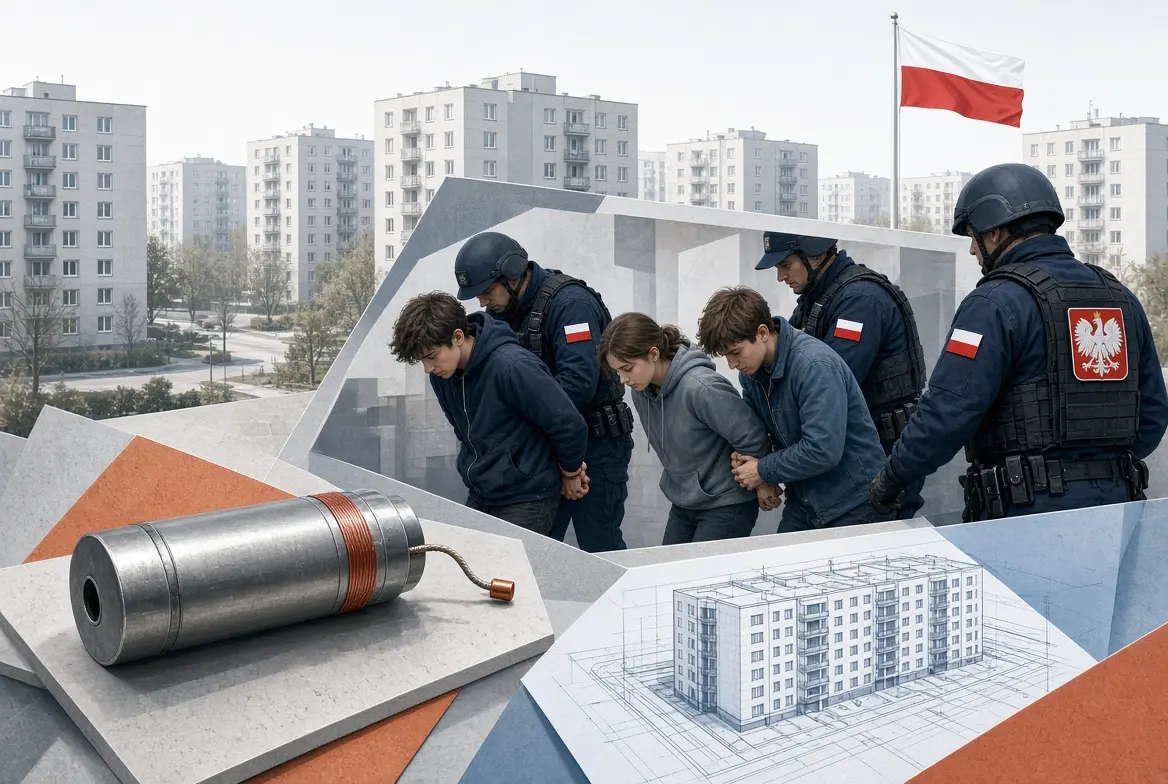
Au confecționat o bombă artizanală și au planificat un atac asupra unui bloc de locuințe: polonezii au reținut trei adolescenți
Agenția de securitate internă poloneză a reținut doi tineri de 17 ani și unul de 16 ani, după ce, potrivit anchetatorilor, aceștia, legați de mișcarea neonazistă internațională, au început să pregătească un act terorist. La unul dintre ei a fost găsită o bombă artizanală, iar în mesajele schimbate discutau despre amplasarea unui dispozitiv exploziv în blocul în care locuiește o persoană cunoscută…
Inteligența artificială a scris cod de atac pe baza unei actualizări de securitate și l-a și testat
În timp ce informaticienii unei companii încă organizează instalarea celei mai recente actualizări de securitate, inteligența artificială a atacatorilor poate deja analiza cum ar putea fi exploatată vulnerabilitatea tocmai corectată pe calculatoarele pe care actualizarea nu a fost încă instalată. Cercetătorii în domeniul securității cibernetice de la Google au documentat pentru prima dată un…
Bani murdari, bancheri care au privit în altă parte: ce dezvăluie documentele scurse de la Deutsche Bank?
Pe baza a peste cincisprezece milioane de documente interne, cu participarea a peste cincizeci de redacții și 230 de jurnaliști, a început pe 17 noiembrie seria internațională de investigații „Inside Deutsche Bank”, adică „Deutsche Bank din interior”, care oferă o perspectivă asupra celor mai sensibile relații cu clienții ale gigantului bancar german. Potrivit documentelor dezvăluite, instituția…
Noul guvern nici nu s-a instalat bine, și deja plănuiește o taxă specială pe energie
Guvernul român ar vrea să tempereze consecințele energiei scumpe printr-o nouă taxă specială: din banii colectați de la producătorii de energie ar fi sprijiniți consumatorii. Nevoia de ajutor este reală, însă din plan nu reiese încă nici pe departe cum ar fi împiedicată întoarcerea, cel puțin parțială, a noii sarcini în prețuri. Mai mult, nici din relatări nu este clar cine ar primi exact sprijin…