
Joint primary against the extremes: Attal, Retailleau and Lisnard would field a single candidate against Le Pen and Mélenchon
In France, three presidential candidates of the centre and the centre-right have agreed in principle to decide in a joint primary which of them will be the sole candidate in the 2027 presidential election.
This is needed because, according to opinion polls, the two candidates currently set to reach the second round are the extremists Marine Le Pen and Jean-Luc Mélenchon. Former Prime Minister Gabriel Attal, leader of Macron's Renaissance; former Interior Minister Bruno Retailleau, president of Les Républicains; and David Lisnard, mayor of Cannes and leader of Nouvelle Énergie, a party that split off from the Republicans, met on Tuesday in a restaurant at the National Assembly. They did not issue a joint statement. According to people close to Attal, the primary has a single condition: participants must declare that they reject any alliance with the extremes.
The primary would consist of two rounds, held either on 17 and 24 January, or on 24 and 31 January, well ahead of the first round of the presidential election on 18 April. Voting would take place largely online and would be open to anyone who pays two euros - the left's primary had a participation fee of 15 euros. In départements where voters have no other way to vote, traditional polling stations would also be opened. The biggest absentee is former Prime Minister Édouard Philippe, leader of Horizons, who turned down the invitation. On Wednesday, Philippe presented his own programme, featuring tough budgetary measures: cutting the six percent deficit and public debt standing at 120 percent of GDP, and raising the retirement age to 65.
According to a compilation by The Connexion from early November, Le Pen leads in every poll by Ipsos, Harris, Ifop, Cluster17, Odoxa and OpinionWay, with between 32.5 and 38 percent. Mélenchon comes second with an average of 17.5 percent, Philippe is at roughly 15 percent, and Attal at 11 percent. Raphaël Glucksmann, who won the moderate left's primary last month, is polling between 11 and 13.5 percent. None of the centre's or centre-right's candidates would reach the second round individually, but together, according to the paper, they could easily overtake Le Pen. Polls suggest that in a Le Pen–Mélenchon runoff, Le Pen would win by at least a two-thirds margin.
For now, only a court ruling could call the far right's chances into question. Le Pen has appealed her conviction in the corruption case to the Court of Cassation; the sentence includes night-time house arrest monitored by an electronic tag, which would make campaigning impossible. The ruling is expected in January; if Le Pen loses, the National Rally (RN) will field its young party president, Jordan Bardella, in her place. Pressure is also mounting on the left in Mélenchon's favour. Green party MP Sandrine Rousseau has called on her own party's leader, Marine Tondelier, to step aside in favour of the leader of France Unbowed (LFI). The Communists, meanwhile, removed their National Assembly group leader, Stéphane Peu, from the party leadership after he openly sided with Mélenchon - whose movement has been accused of antisemitism and of supporting Islamists.
It seems France has started taking the danger posed by the far left and the far right seriously, in time. This is not merely a French domestic matter. In 2014, Le Pen's party took out a loan from a Russian bank, and for years the party was among those voices sympathetic to the Kremlin's annexation of Crimea. Mélenchon, for his part, advocates leaving NATO and routinely portrays weapons sent to Ukraine as prolonging the war. A Le Pen or Mélenchon presidency would knock the EU's only nuclear power and one of the leaders of the “coalition of the willing” supporting Ukraine out of line, right when Washington is bargaining with Moscow. The lesson applies to Romania too, where the PNL and USR are only now starting to consider a joint list, while AUR leads in the polls. The French centre has at least recognised that the price of disunity would not be a lost election, but a choice for voters between two extremes. The absent Philippe, however, shows that recognising this does not yet mean unity.
Ugar
Did you like this article?
Support our work with a small donation
Secure payment via Stripe • Min. 2 EUR
Gesta recommendations:
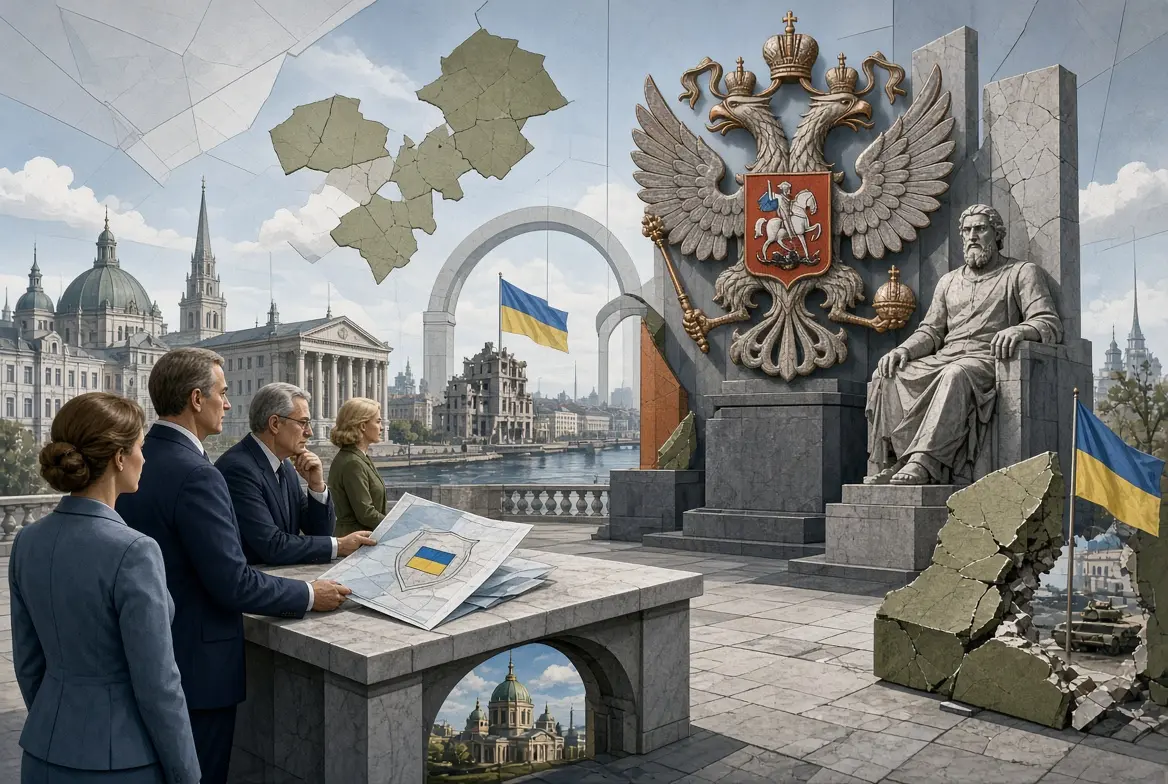
They're asking Moscow for permission to defend Ukraine from Moscow
On Thursday Jared Kushner was still boasting in Berlin that, together with Steve Witkoff, he had managed to get the Russians to accept the idea of NATO-style security guarantees for Ukraine, but on Friday Moscow announced that nothing of the sort was on the table. The most humiliating part of the story is not that Trump's envoys' diplomatic success story didn't even survive a single day, but the…

They would encourage the merging of communes with halved taxes and funding worth millions. Here is the first version of the reform
The Romanian government would persuade smaller local authorities to merge with their neighbors by halving residential property and land taxes for five years and offering investment support of at least four million lei. The draft emergency ordinance, put out for public debate on Friday, November 20, primarily targets communes with no more than 1,500 inhabitants, although larger localities could…
A Reply to Anna Karczag: No, This Was Not Yalta 2.0!
Let me state at the outset: I enjoy reading Anna Karczag's articles, especially when she puts in the effort and does the necessary research. The piece on the Protocols of the Elders of Zion is a thorough, information-rich example of that, as are several of her articles on cognitive warfare — all praiseworthy work. Yet there are times when she overdoes it and lets emotion take over — and that is…
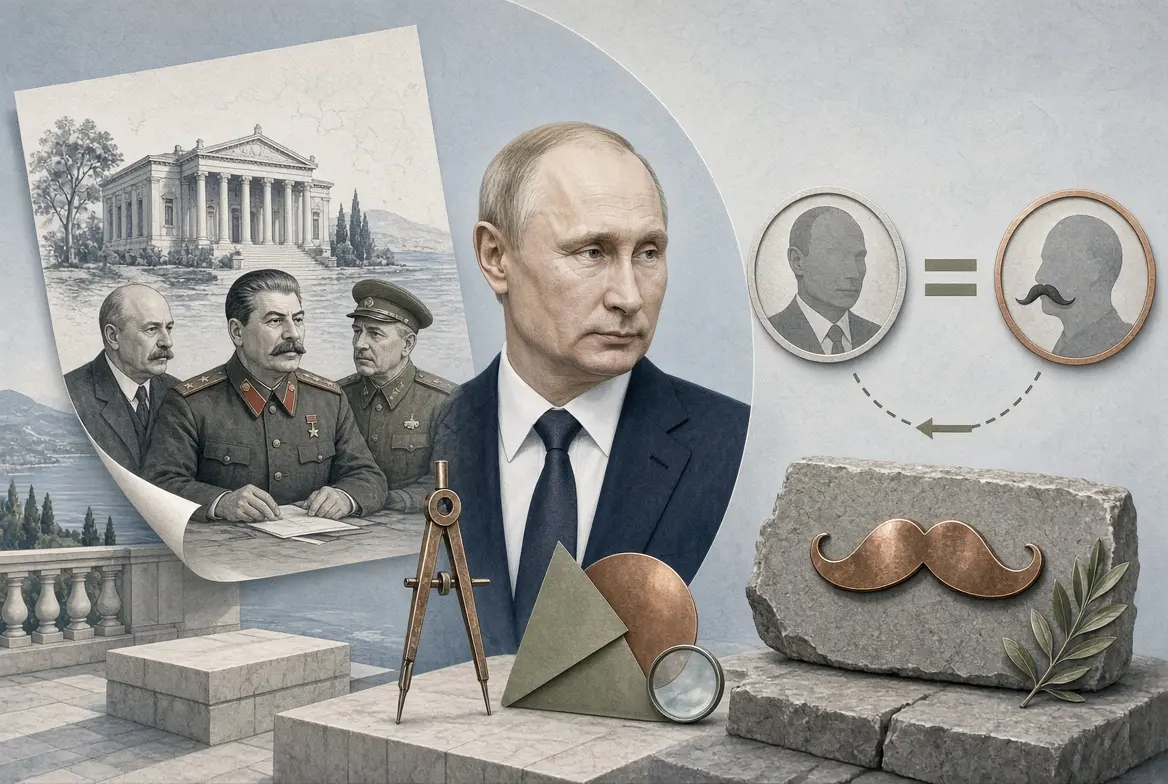
Relax, this isn't Yalta 2.0, because Putin doesn't have a mustache
I've been reading the reports on the Shenzhen summit of the Big Three, and the analyses too: a multitude of Hungarian analysts raised in the Western cultural sphere are talking and writing about how, oh no, this wasn't Yalta 2.0 at all. But it was! I'm sorry that I have to be the one to switch on the light in the increasingly darkening skulls of these trendy analysts, but yes, this was Yalta 2.0.

Two-thirds of Americans think Trump is leaning toward Moscow
Two-thirds of Americans, 67 percent, disapprove of the way Donald Trump is handling Russia's war against Ukraine, and only 30 percent agree with his approach. This is the finding of a Pew Research Center survey published on Wednesday, which is especially telling on Thursday, the day of the Trump–Putin–Xi summit in Shenzhen. The research institute polled 10,247 adults between November 9 and 15.…