
Radev says the problem is that we call the Russian attacker by name
Bulgarian Prime Minister Rumen Radev has drawn a peculiar security-policy lesson from the drone attacks in the Black Sea: in his view, Romania was hit by further attacks because Bucharest named Russia as responsible. According to his remarks at Monday's economic forum in Sofia, one of the secrets to calm in the region could be for the attacked countries to show enough tact to keep quiet about who is attacking them, in the hope that Moscow would appreciate the courtesy.
According to a report by Trud, Radev said that Romania had blamed Russia for the drone attacks in the Black Sea, "and this led to further attacks on ships in Romania's exclusive economic zone." The Bulgarian prime minister thus established a causal link between naming the aggressor and the subsequent strikes, while stressing that he himself is only willing to make accusations when there is clear evidence. This argument contains a peculiar contradiction: if, according to Radev, we don't know for certain who attacked, how does he know that the further attacks were in fact retaliation for naming Russia? To establish such a connection with such confidence, he would need to have a fairly firm idea of who chooses the targets and on what basis. So the strictness about evidence apparently only applies up to the point of naming the attacker — but suggesting that the attacked neighbor bears some responsibility requires nothing more than the prime minister's hunch.
Radev meanwhile boasted that, of the heads of government of the three Black Sea NATO member states — Bulgaria, Romania and Turkey — he was the only one to summon the Russian ambassador and clearly state his position to him; he added, however, that he has principles, which is why he expects clear evidence and is not willing to level accusations based on slogans — and whoever wants may forward the cognitive dissonance contained in this to Ottó Gajdics, who will surely appreciate it. The Bulgarian prime minister also spoke approvingly of his country's rescue units, which showed up at the scene of the incidents in Bulgaria's exclusive economic zone despite darkness and difficult weather conditions. Regarding the rescue of the Chelsea 3 vessel, he promised a thorough investigation, and stated that Bulgaria's security rests on the EU, NATO and a strong transatlantic partnership with the United States — all of which fit comfortably in the same speech alongside the idea that another NATO member state's troubles may have been partly caused by speaking too clearly about the attacks.
What follows from Radev's words is that Moscow is watching who dares to call it the aggressor, and chooses its next target accordingly. In this narrative, Bulgaria's restraint plays the role of wise self-defense, while Romania's openness plays the role of dangerous recklessness — in other words, the responsibility for avoiding attacks is neatly shifted onto whoever's ships and security are being threatened. Meanwhile, behind all this lie very real maritime incidents: according to Trud's tally, between October 5 and 23, eight merchant ships were hit or were involved in incidents linked to drone attacks off the coasts of Bulgaria and Romania. Clarifying these would require investigations and evidence, yet Radev himself went beyond that, offering a ready-made explanation for why the attacks continued in the Romanian area. The Bulgarian prime minister thus proclaims allegiance to the alliance while at the same time conveying a rulebook of intimidation: NATO is the foundation of our security, but please choose your words carefully, so as not to offend the attacker. In the end, it may turn out that the most important means of defending Black Sea shipping is well-chosen evasive talk, and that drones only turn back depending on how politely a government refrains from naming who sent them.
Ugar
Did you like this article?
Support our work with a small donation
Secure payment via Stripe • Min. 2 EUR
Gesta recommendations:
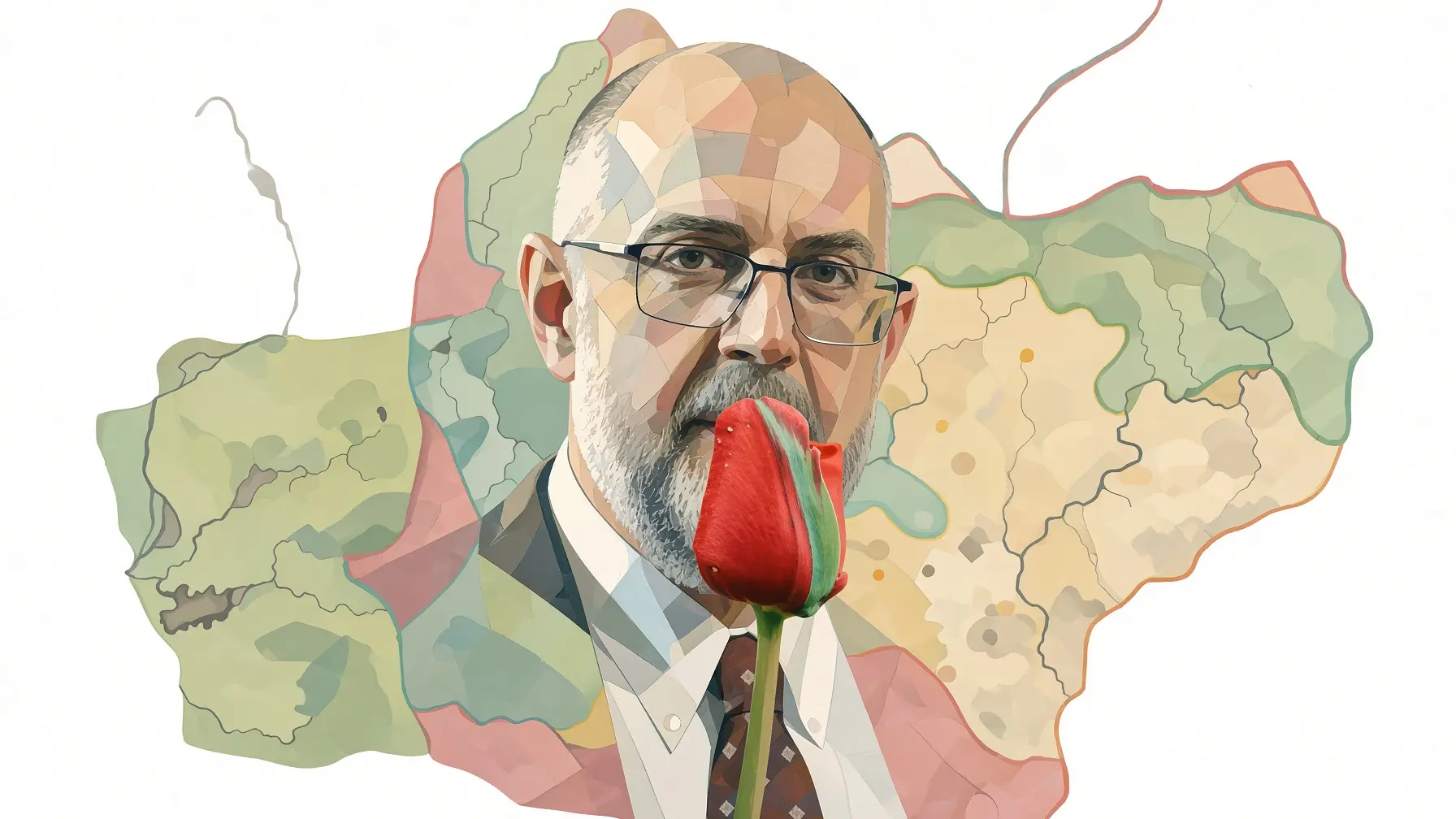
Even Hungarian-majority localities could disappear in the administrative reform – why is the RMDSZ staying silent?
The RMDSZ's behavior regarding the territorial-administrative reform floated by Grindeanu is becoming increasingly strange. After the news first broke, a deep silence surrounded the matter — maintained not only by our one and only party, but also by its lackey press. Then Hunor said something to the effect that they would wait and see, that they might support it or might not, but in any case no…

A snapshot of a budding bromance: Putin called Musk a genius
According to Vladimir Putin, Russia closely cooperates with its American space industry partners, including Elon Musk, despite political disagreements, whom he called "a brilliant man". The Russian president praised the SpaceX founder at an exhibition in Moscow, just one day after Musk justified restricting Starlink's military use in Ukraine by citing the risk of Russian destruction of satellites.

First the election, then Iran: Washington may be preparing new strikes
The United States has warned several Gulf Arab states, through diplomatic and military channels, to prepare for a "short but intense" campaign against Iran after the November 3 U.S. midterm elections. According to the Wall Street Journal, Donald Trump has not yet made a final decision, but is leaning toward a large-scale strike that would also target Iranian infrastructure and nuclear facilities.
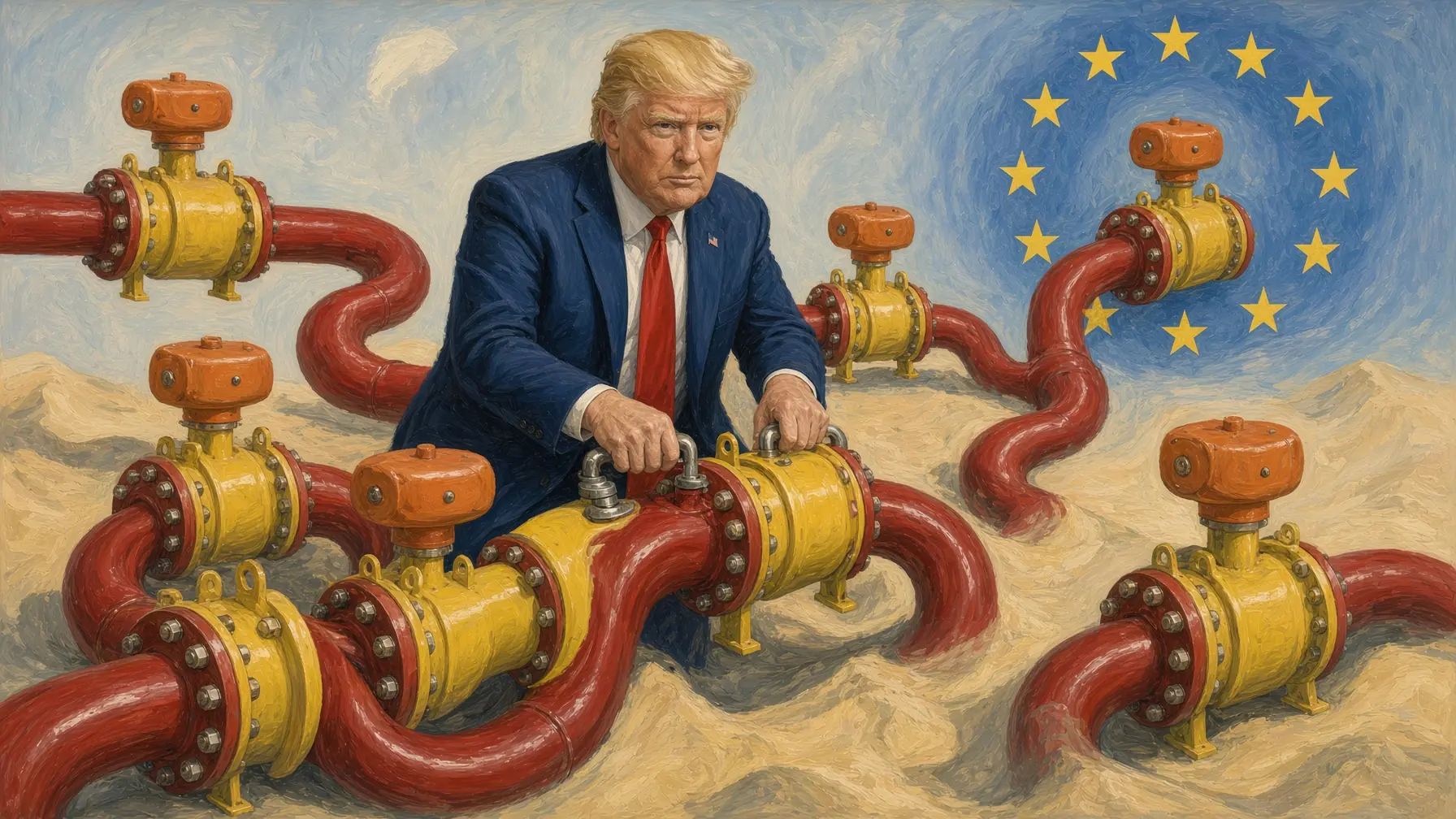
Trump would reconnect Europe to Russian gas
In 2018, he was still scolding Germany for relying on American military protection against Russia while funneling billions to Moscow through its energy purchases, but now his negotiators have raised the idea of reviving Russian gas sales to Europe, and even restoring Nord Stream, as an economic incentive for a war settlement.
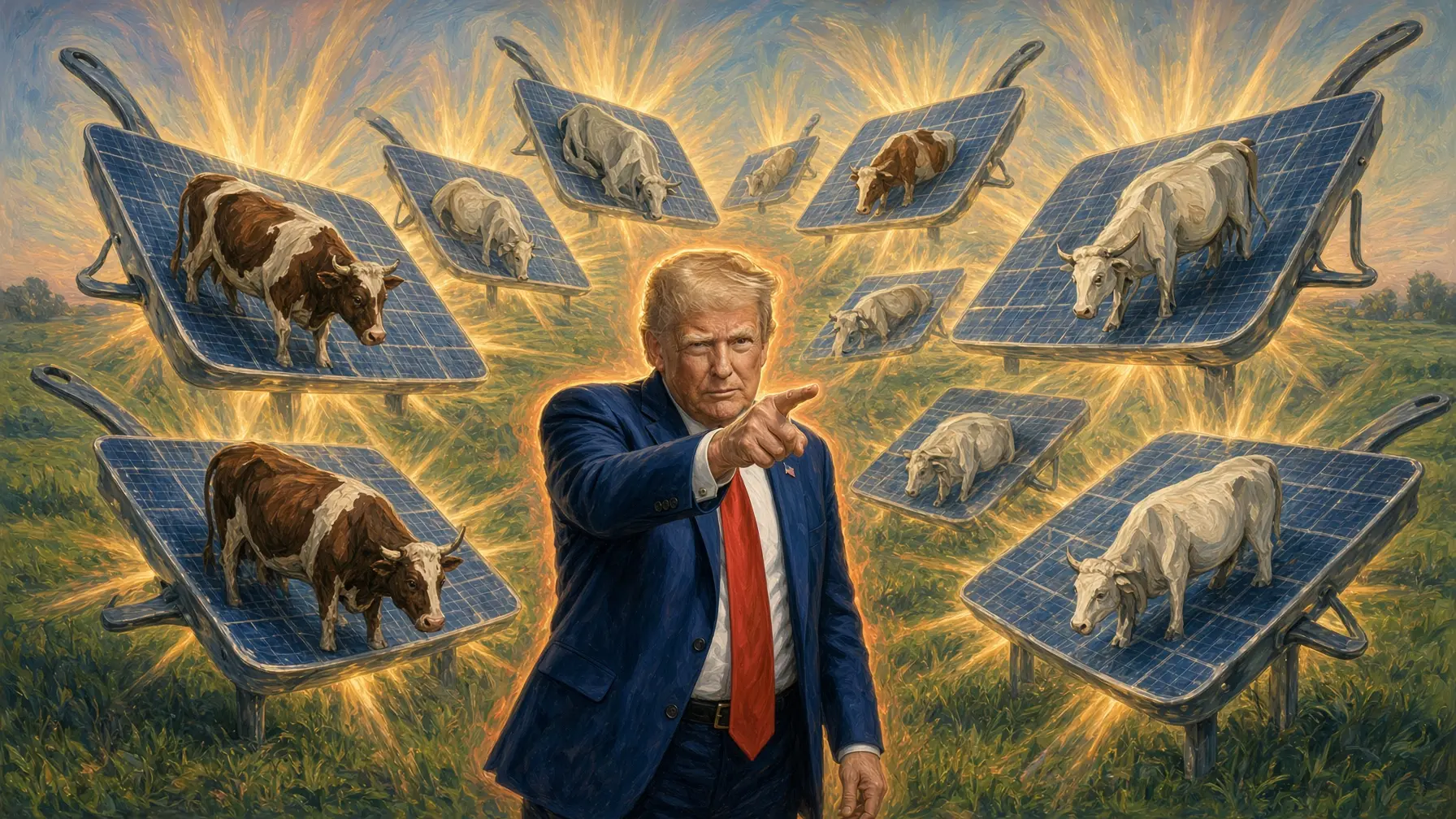
Trumpiad for today: solar panels are frying animals
Donald Trump has identified yet another threat to American wildlife: solar panels, which he claims are a hundred times hotter than a stove and fry any animal that jumps on them. The president of the United States shared this peculiar energy discovery at a campaign rally in Texas, declaring that the black panels “kill all the animals.” The story so far has not explained why America's entire fauna…