No matter what other name we give it, we are, in fact, at war!
Information war, cyberwar, hybrid war, shadow war, sub-threshold operation: Europe is finding ever more linguistic ingenuity to describe what Russia is simply waging against it as war. Sylvie Kauffmann, foreign affairs columnist at Le Monde, argues that this verbal magic must end, because as long as the attacks are called "incidents", "provocations" and "hybrid threats", we never even get to the real question: how do we defend ourselves?
Kauffmann starts from the mid-September warnings of Polish Prime Minister Donald Tusk and French President Emmanuel Macron. On September 17, the anniversary of the 1939 Soviet occupation of Poland, Tusk told the Sejm that serious events could occur in the coming months. He did not predict a conventional Russian invasion but rather drone and missile strikes that Moscow could try to pass off as accidents or navigational errors, making it uncertain what response the attacked NATO member state could give. According to Tusk, the goal of the Russian strategy is to prove that Article 5 of NATO's collective defense is more of a political text than a functioning military guarantee. For this, Russian tanks do not necessarily need to cross the Polish or Baltic border. A drone that "accidentally" crashes, a blown-up railway line, a paralyzed energy grid, or an attack on an airport may be enough to leave allies arguing for days over who was responsible, whether it counts as an attack, and which NATO article should be invoked. A day later, Macron summoned the leaders of all major French parties and potential candidates for the 2027 presidential election to the Élysée Palace. At the meeting, French intelligence assessments on the changing nature of the Russian threat were presented. Most participants found the information convincing, but in the public debate, skepticism, relativization and outright denial appeared almost immediately.
According to Le Monde's analysis, after the failure of his strategy based on a quick conquest of Ukraine, Vladimir Putin did not retreat but escalated. The Russian defense industry and army have been reorganized, and the Kremlin is simultaneously trying to make Ukraine uninhabitable and to erode European states' willingness to provide support. This includes the systematic destruction of Ukrainian transport and energy infrastructure, as well as a wave of sabotage against European railways, airports, weapons factories, communication systems and other critical facilities. Kauffmann calls the August operation against Leipzig Airport, where drones equipped with military explosives were discovered, a turning point. Not only was the action itself a new level of escalation, but so was the fact that the German government this time openly named Russia as responsible. Moscow can continue these operations without consequences as long as Europe investigates each explosion separately, wondering whether it was a fire, a malfunction, a crime, a terrorist act, or some kind of "hybrid incident".
Meanwhile, Eastern and Northern Europe are already seeking practical responses. Lithuania is preparing plans that include evacuating the elderly in case of an attack, while Finland is encouraging its population to assemble survival kits. Much of Western Europe, by contrast, is still arguing over the right terminology, while the Russians set fires, carry out bombings, launch cyberattacks, send drones into NATO airspace and support political movements. Le Monde's conclusion is therefore simple: the war must be called a war, whether it is waged through information, cyber, hybrid or shadow-war tools. The term is not a matter of rhetorical detail.
If we call an attack an accident or an isolated incident, we respond with a police investigation and a diplomatic protest.
If we recognize that it is part of the same organized Russian campaign, then we must already be talking about deterrence, defense and retaliation.
In the winter of 2021–2022, Europe once refused to believe American warnings that Russia would attack Ukraine, and the sanctions prepared in response proved painfully inadequate. Putin is not particularly hiding what he wants now either; denying the danger does not protect peace, but serves precisely the Kremlin's goals.
Op-ed
Did you like this article?
Support our work with a small donation
Secure payment via Stripe • Min. 2 EUR
Gesta recommendations:

Trump wants peace by January, his wife is already dreaming of a Christmas ceasefire, meanwhile Ukrainians are dying
The Trump administration wants to close the Russian-Ukrainian peace deal by early January, before the new, Democratic-led Congress gets down to work, according to Financial Times. Melania Trump, meanwhile, is talking about the possibility of a ceasefire before Christmas, even as Moscow continues to reject the guarantees that would give Ukraine real protection against another Russian attack.…
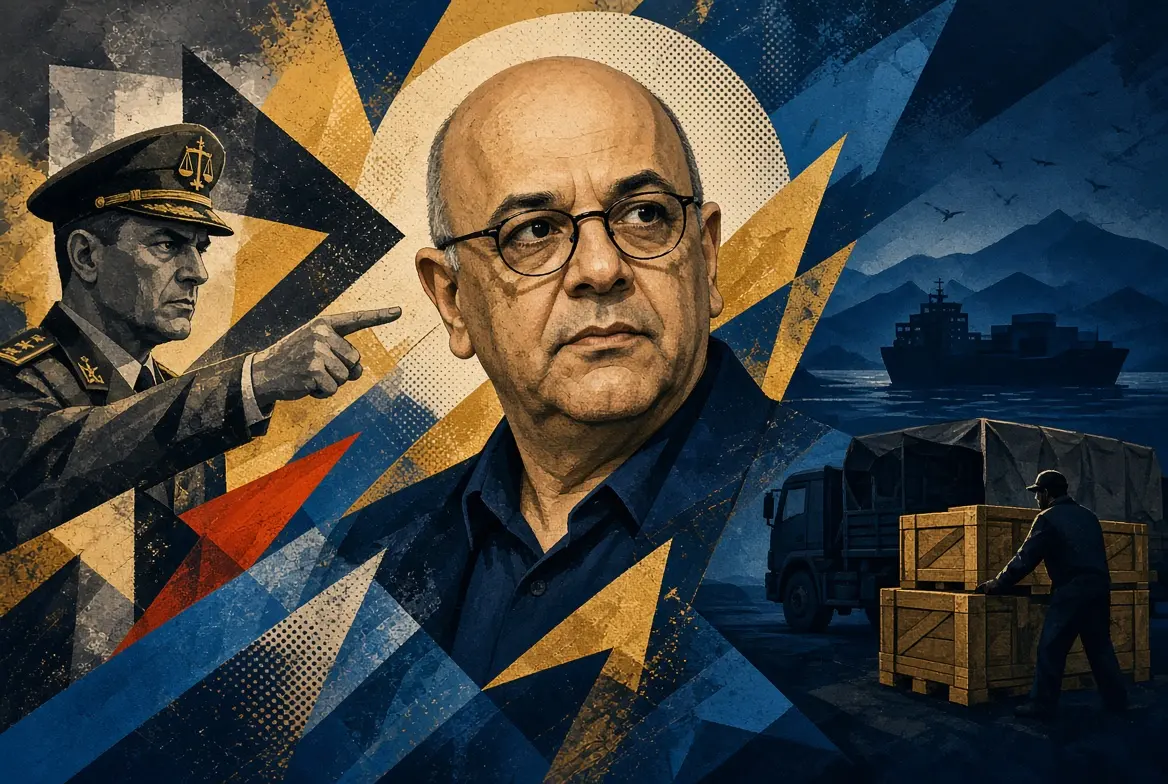
Raed Arafat has been indicted. The military prosecutor's office is charging him with complicity in smuggling
Raed Arafat is being prosecuted over the import into Romania of a rescue helicopter that was provided to replace an aircraft lost in a tragedy. The head of the Department for Emergency Situations (DSU) says an attempt is being made to retroactively turn an open, official procedure into a crime, while prosecutors claim that customs clearance was never completed and that more than four million lei…

Bolojan and his party are also proposing an administrative reform, plus a reduction in the number of parliament seats
Ilie Bolojan has promised the PNL's position on administrative reform for early December, while the Liberals and the USR have almost finished drafting a joint proposal on reducing the size of parliament. According to the former prime minister, the government's announcements so far do not reveal a sufficiently well-developed reorganization, because merging two poor communes under a single name…

Trump already threatens Democrats with veto
Donald Trump did not waste much time explaining what he had learned from the results of the midterm elections, instead announcing the tool he will use to keep the Democratic legislative majority taking office in January in check. He praised the presidential veto as an extraordinary power that, in his view, can force his opponents to negotiate, and for Ukraine the decisive question will be whether…
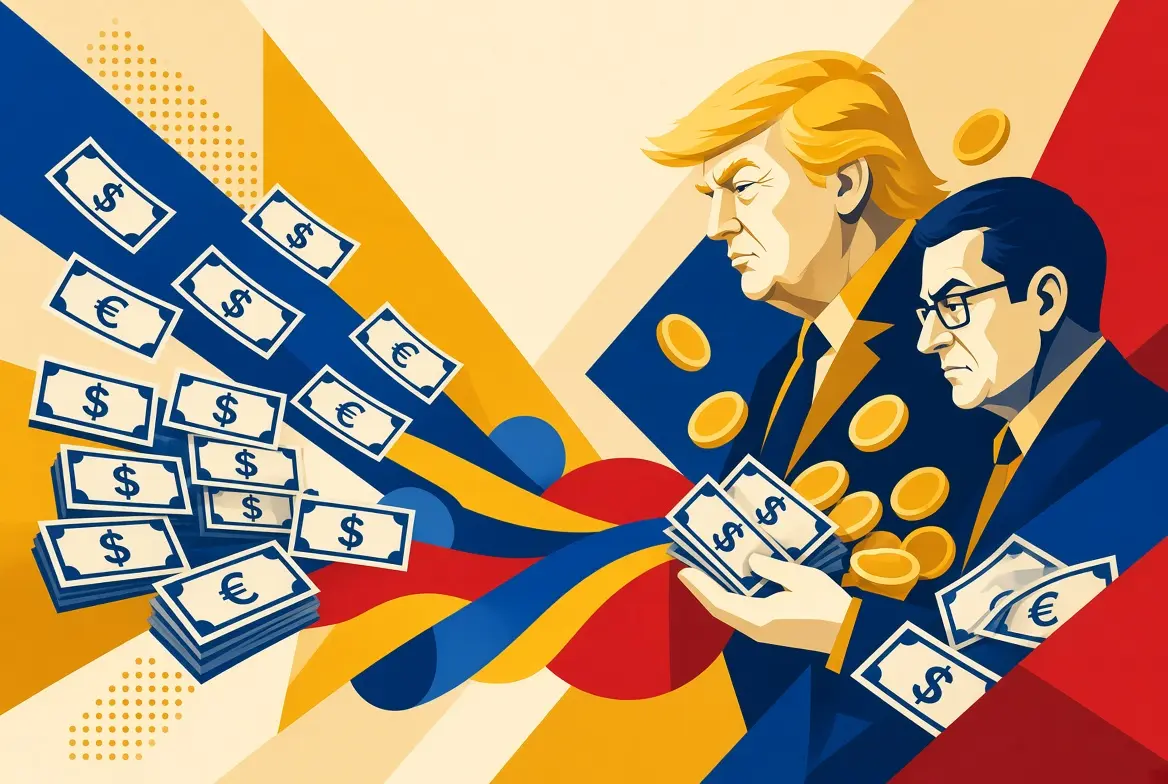
Consulting pays well around Trump: Romanian public money also surfaces among Jason Miller's millions
A child-support lawsuit revealed just how dramatically the business revenue of Donald Trump's longtime adviser has jumped, while among the clients paying for his Washington connections, Romania has also appeared. Jason Miller's companies collected about fifteen million dollars in a single year, yet the Cotroceni Palace still will not disclose exactly what the Romanian state is getting for the…