
The Russkies can applaud, Brussels has once again torpedoed Kaja Kallas
Kaja Kallas, the European Union's High Representative for Foreign Affairs and Security Policy, wanted to become the EU's special envoy for the negotiations on ending Russia's war against Ukraine, but EU leaders decided on Friday evening in Dublin in favor of a different solution. "The Russians don't want me," said Kallas on Friday morning, ahead of the EU leaders' informal summit in the Irish capital.
According to the High Representative, Moscow does not want her at the negotiating table precisely because of her firm stance, but as she put it, "it is not up to them to decide this." She also asked whether the EU has any say in who represents Russia, and argued that if Moscow could choose the European negotiator, it would gain an advantage it is not entitled to. Kallas argued that the role follows from her position: the Treaty of Lisbon entrusts the High Representative with coordinating and carrying out EU foreign policy, and the member states' leaders elected her in June 2024 fully aware that direct negotiations with Moscow would likely be needed at some point during her five-year mandate. "I am not representing myself. I represent twenty-seven member states, just as I did two years ago," she said. She warned the EU not to copy the American model, in which two personally chosen envoys of Donald Trump, Steve Witkoff and Jared Kushner, conduct the negotiations, and urged instead that someone who already holds an institutional post be sent. As Estonia's prime minister, Kallas was one of the Kremlin's loudest critics, and Russia put her on a wanted list in February 2024; in Brussels she is considered a divisive figure who is increasingly being left out of top-level talks.
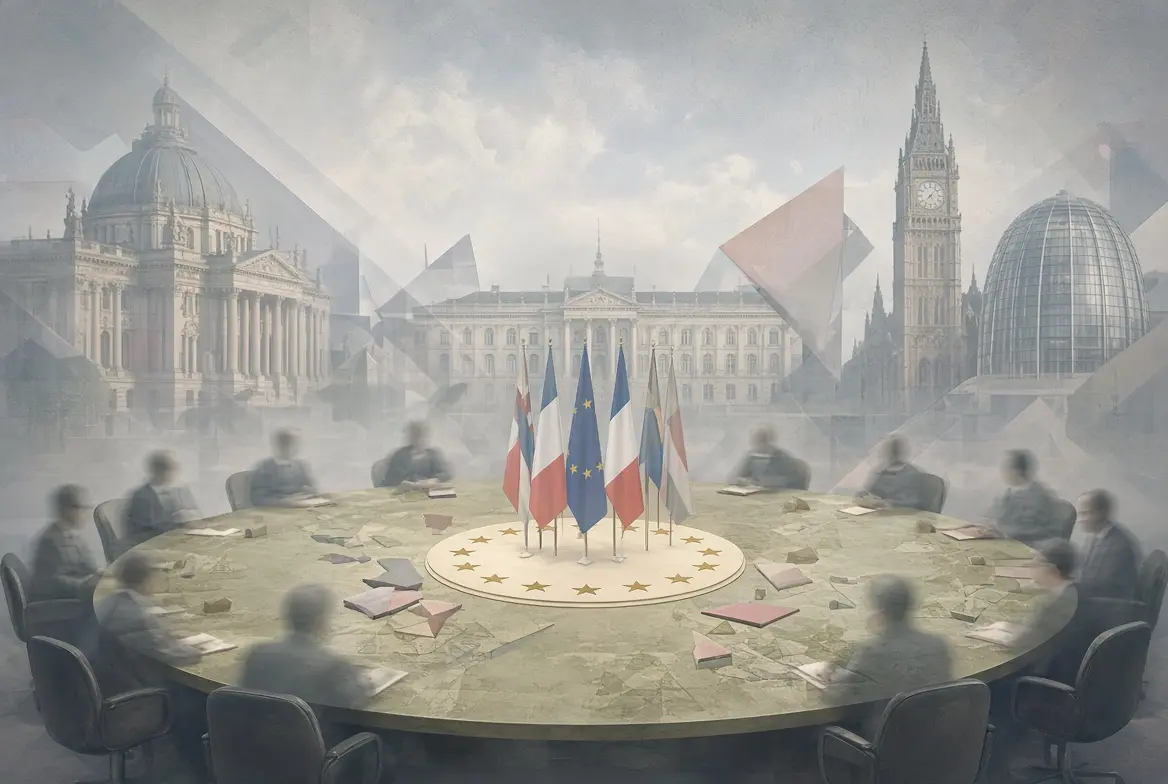
In the end, EU leaders did not appoint a special envoy but instead set up a joint European negotiating group. According to Euronews, it includes France, Germany, Italy, Poland, and the United Kingdom, which is not an EU member but takes part as part of the so-called E3 group, alongside representatives of the European Council, the European Commission and NATO. Ukraine, the United States and Russia had all asked for a single European representative, and Italian Prime Minister Giorgia Meloni also criticized the fact that none was named. António Costa, President of the European Council, who had been considered the leading candidate for the special envoy post, pointed out that the treaties entrust the Council's president with representing the Union in foreign and security policy. Commission President Ursula von der Leyen did not back Kallas, saying that the leaders had made their decision. German Chancellor Friedrich Merz said the E3 format had worked well and that Berlin saw no need for an institutional dispute. Poland's inclusion is a result of Warsaw's warning that Western European countries should not make decisions over the heads of Eastern Europe. Italy was already present at the Abu Dhabi round, and Poland will take part in the next one.
So far, the talks have involved national security advisers and senior officials, not heads of state or government. It remains an open question whether Moscow is willing to negotiate directly with the Europeans at all. After Thursday's meeting with Putin in Moscow, Witkoff and Kushner said Russia was open to personal talks, but the Kremlin's response was dismissive, with spokesman Dmitry Peskov saying that Europe should first name a representative. An unnamed EU diplomat warned that the dispute over candidates is deepening divisions among the Europeans, "and that is exactly what Russia wants."
Fallow
V-a plăcut articolul?
Susțineți munca noastră cu o donație mică
Plată securizată prin Stripe • Min. 2 EUR
Recomandări Gesta:
„Plănuiesc să supraviețuiesc Federației Ruse”
Când, în dimineața zilei de 24 februarie 2022, Volodymyr Mykolaienko s-a trezit la sunetul exploziilor, i-a spus soției sale: „Asta a fost, mă duc să apăr orașul.” Nu putea ști atunci că, peste câteva săptămâni, rușii îl vor răpi, ascunzându-l în portbagajul unei maşini, și că vor trece aproape trei ani și jumătate până va putea reveni acasă liber.
De la stâlpul din Doneţk la scena Berlinale: povestea Irinei Dovhan
Irina Dovhan își stropea florile când, în august 2014, la ea acasă au venit bărbați înarmați și au răpit-o, pentru că ajutase armata ucraineană. A fost bătută, amenințată, apoi dusă într-o piață din Doneţk, aflat sub ocupaţie, unde a fost înfăşurată într-un drapel ucrainean şi legată de un stâlp. Mai mulţi trecători au bătut-o, alţii s-au fotografiat cu ea. O fotografie făcută acolo a contribuit,…
Nicușor Dan a admis că el a construit majoritatea de guvernare formată de PSD
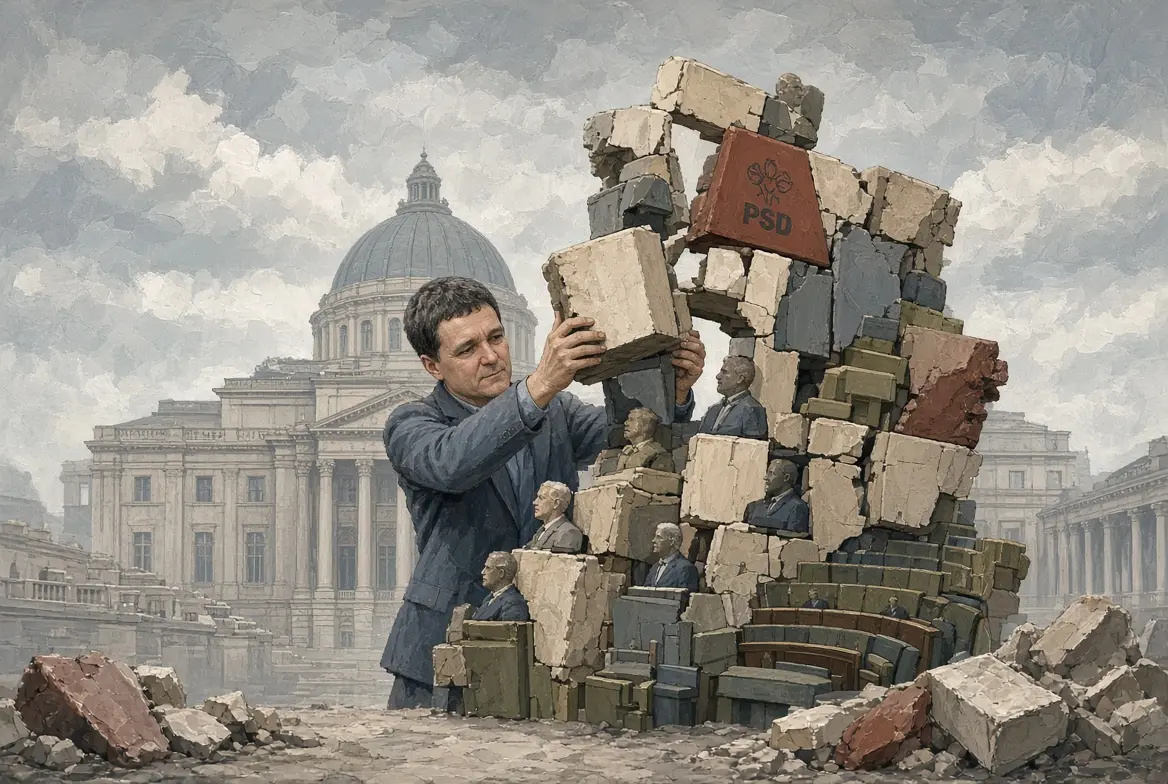
Președintele Nicușor Dan a admis deschis că el personal a căutat și a format majoritatea parlamentară care a adus la putere guvernul Niculescu, condus de PSD. „S-a întâmplat că guvernul a picat, iar eu a trebuit să găsesc o majoritate. Mi-a luat cinci luni și jumătate să o găsesc” – a declarat el joi la Dublin, în cadrul conferinței de presă de la al nouălea summit al Comunității Politice…
Și Europa va participa la negocierile de pace, doar că detaliile nu sunt încă cunoscute
Marea Britanie, Germania, Franța, Italia și Polonia ar reprezenta Europa, alături de instituțiile UE, la negocierile privind încheierea războiului Rusiei împotriva Ucrainei – a anunțat António Costa, președintele Consiliului European, după summitul de la Dublin. Liderii europeni cer un armistițiu, în timp ce Moscova ar discuta deja și despre locul în care ar putea fi staționate trupele NATO în…
A învins strada! România nu trebuie să plătească despăgubiri pentru mina de aur de la Roșia Montană
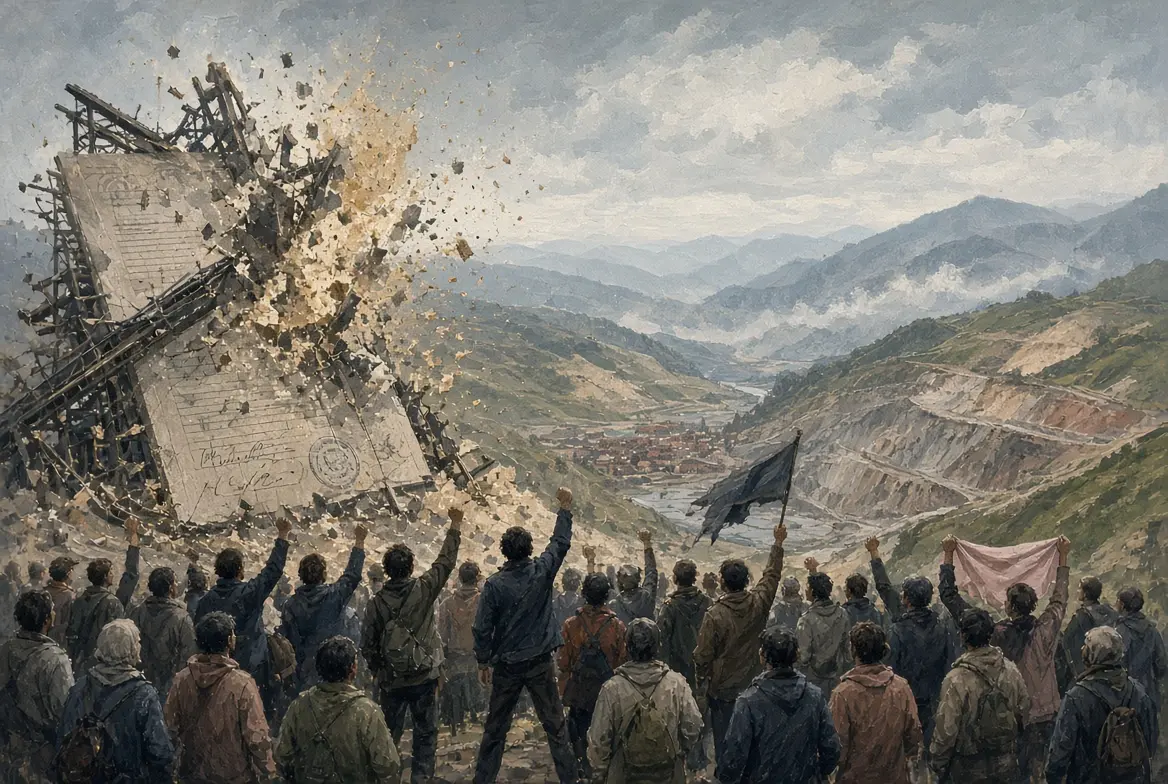
România a câștigat definitiv procesul de arbitraj internațional privind mina de aur de la Roșia Montană. Comitetul ad hoc al Centrului Internațional pentru Reglementarea Diferendelor Relative la Investiții (ICSID) al Băncii Mondiale a respins, pe 13 noiembrie, cererea companiei miniere canadiene Gabriel Resources de anulare a hotărârii din martie 2024. Compania a cerut statului român despăgubiri…