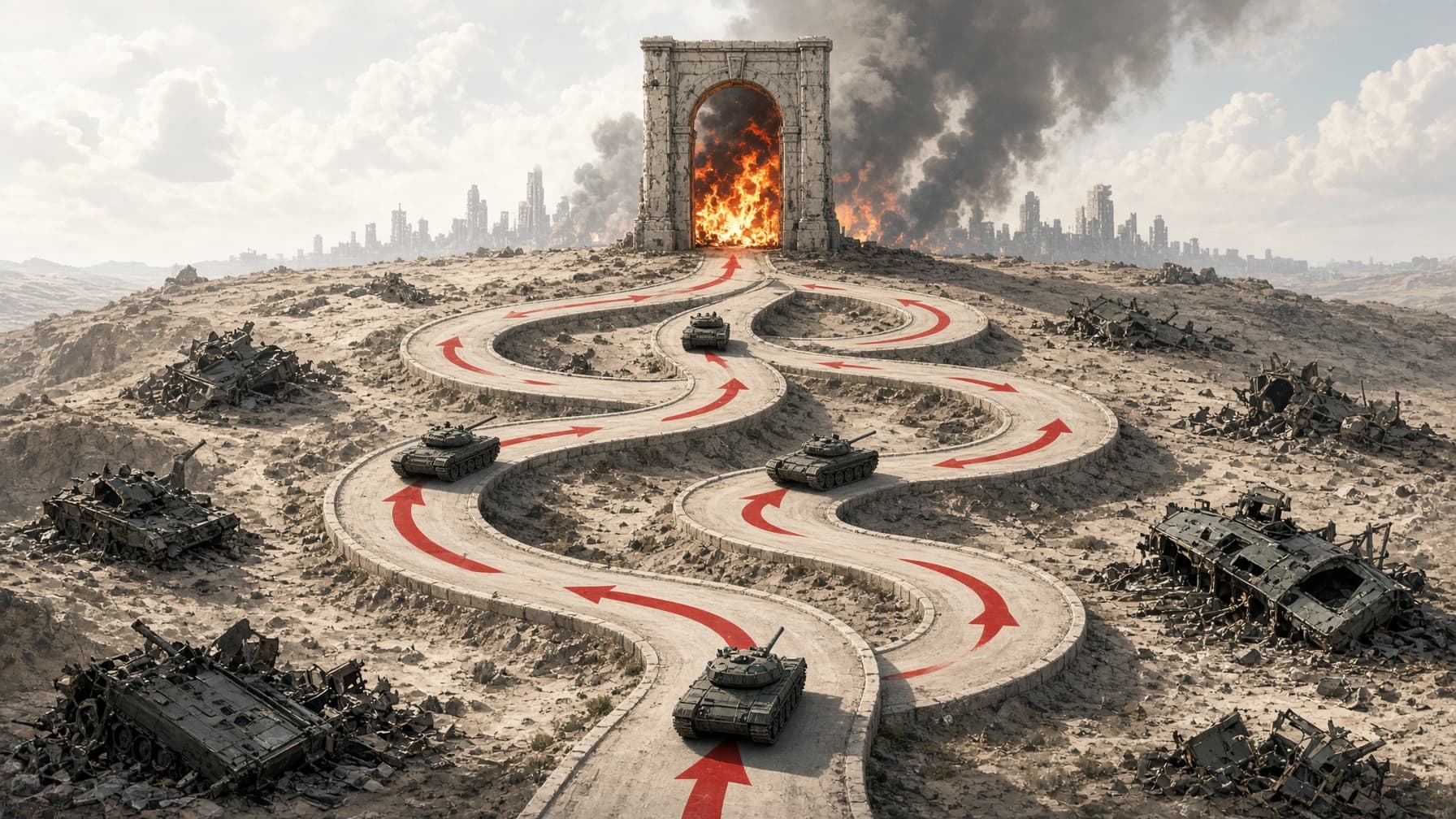
Why Moscow keeps trying again and again - the road to war
Labeling Russian attacks as "hybrid" can become a political Xanax, argues Cristian Soare on DefenseRomania, citing a Polish analysis. According to the author, European governments acknowledge the Russian threat, but consistently treat drone incidents and sabotage against rail and energy infrastructure as separate national matters. This way, Moscow only ever has to reckon with the response of the individual country each time, while testing where the limits of NATO's collective action lie.
The DefenseRomania article lists the drone attack on Leipzig airport, the sabotage affecting Polish, Estonian and Slovak infrastructure, and the repeated violations of NATO member states' airspace among the examples of escalation. Soare claims that together these form a campaign following military logic: Russia is trying to endanger transportation, energy supply and the routes used to support Ukraine, while keeping each individual operation limited enough that the allies of the targeted state can argue among themselves over the appropriate response.
The strongest observation in the piece concerns the fragmentation of responses. One state expels diplomats, another closes a Russian consulate, a third launches an investigation; Moscow, meanwhile, pays the price separately each time. Polish Prime Minister Donald Tusk's warning describes the same danger: Russia could prepare drone or missile strikes on NATO territory that it would later try to pass off as "accidents." Such an attack would aim not only to cause direct damage but also to test whether the alliance is capable of responding collectively. According to an AP report, Tusk also highlighted the threat to the supply routes supporting Ukraine.
Regarding Article 5, however, the implication in DefenseRomania's headline needs clarification. The term "hybrid" in itself does not rule out the application of collective defense: NATO's official explanation explicitly states that a significant cyberattack or other hybrid operation can also reach the threshold of an armed attack, a determination made based on the circumstances of the specific case. At the same time, invoking Article 5 does not automatically mean a declaration of war or a mandatory bombing campaign: each member state provides whatever assistance it deems necessary to restore security. This can include armed action, but not exclusively so.
Still, the author's conclusion raises a serious question. If a Russian operation is reliably attributed to Moscow, why is there no pre-agreed, joint response to it? According to Soare, sabotage aimed at hindering support for Ukraine, for example, should be consistently answered with additional weapons and resources sent to the Ukrainian army; furthermore, NATO's military deterrence should be linked with the EU's sanctions and financial tools. The essence of the proposal is clear: before every new attack, Russia's leadership should know in advance what cost it will incur.
The debate, then, is not about which word is used to describe a drone attack or an act of sabotage, but about whether the allies respond to proven attacks together, predictably, and with a force that Moscow can feel. If consultations start from scratch after every incident, Russia will shape its next operation accordingly.
Uga
Tetszett a cikk?
Támogassa a munkánkat egy kis adománnyal
Biztonságos fizetés Stripe-on keresztül • Min. 2 EUR
Gesta-ajánló:
Kadyrov won with 99.85 percent, but he can't rest easy
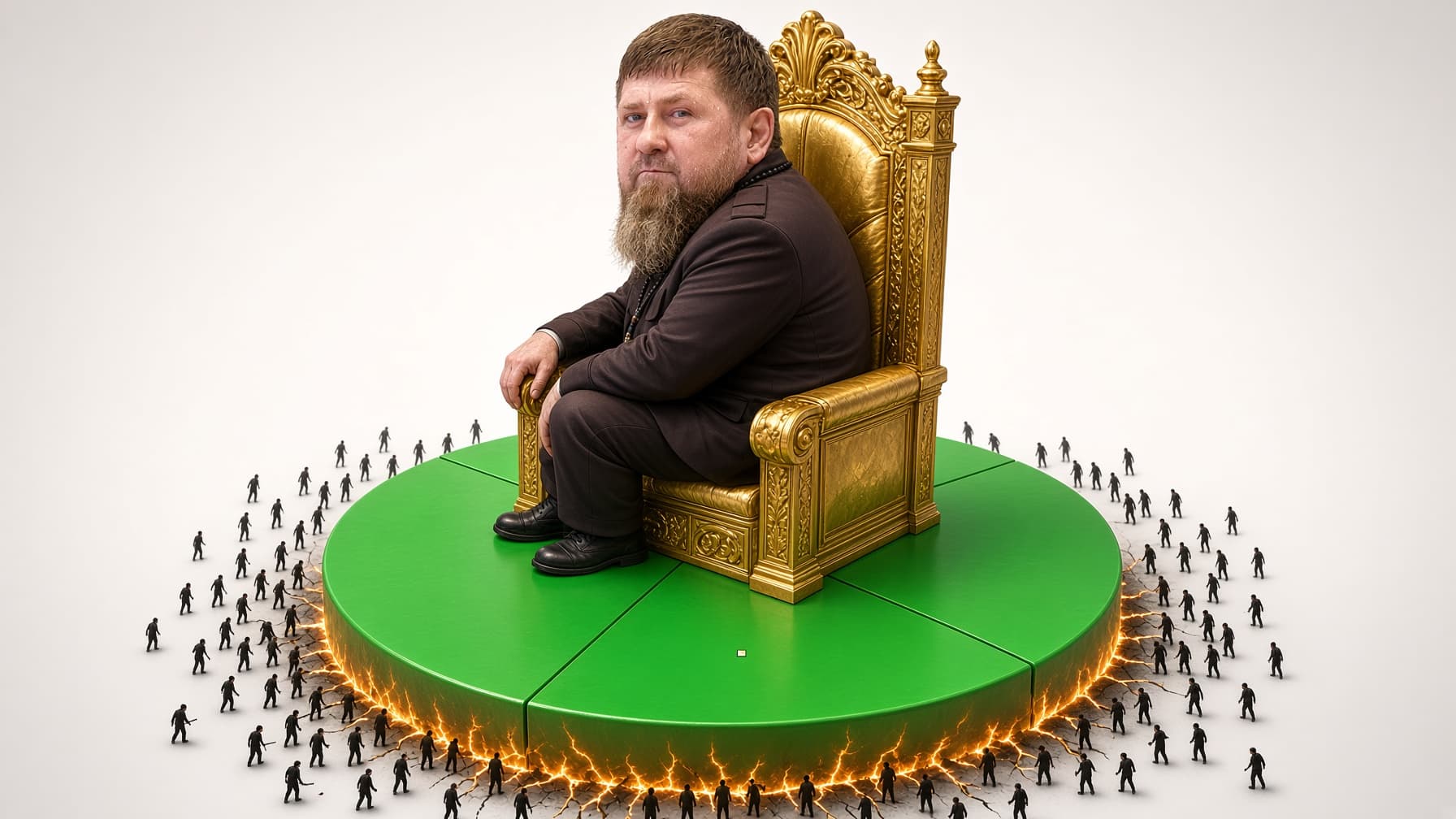
Ramzan Kadyrov has once again won the Chechen leadership election: according to data from the Russian electoral commission, he received 99.85 percent of the vote. There were even rival candidates, believe it or not — two of them. Both received exactly 0.05 percent. One was put forward by one Russian parliamentary party, the other by a different Russian parliamentary party, just so the election…
Kadirov 99,85 százalékkal nyert, de nem lehet nyugodt
Ramzan Kadirov ismét megnyerte a csecsenföldi vezetőválasztást: az orosz választási bizottság adatai szerint a szavazatok 99,85 százalékát kapta. Voltak ellenjelöltek is, ne tessék nevetni, rögtön ketten. Mindketten pontosan 0,05 százalékot szereztek. Az egyiket egyébként egy orosz parlamenti párt, a másikat egy másik orosz parlamenti párt állította, hogy a választás mégiscsak választásnak nézzen…
Kadirov a câștigat cu 99,85 la sută, dar nu are voie să fie liniștit
Ramzan Kadirov a câștigat din nou alegerile pentru conducerea Ceceniei: potrivit datelor comisiei electorale ruse, a obținut 99,85 la sută din voturi. Au existat și contracandidați, să nu vă vină să râdeți, chiar doi. Ambii au obținut exact 0,05 la sută. Pe unul, de altfel, l-a propus un partid parlamentar rus, pe celălalt un alt partid parlamentar rus, ca alegerile să pară totuși alegeri.…
Miért próbálkozik Moszkva újra és újra - út a háborúhoz
Az orosz támadások „hibridnek” nevezése politikai Xanax-á válhat – érvel Cristian Soare a DefenseRomania oldalán, egy lengyel elemzésre hivatkozva. A szerző szerint az európai kormányok elismerik az orosz fenyegetést, de a drónincidenseket, a vasúti és energetikai infrastruktúra elleni szabotázsokat rendre különálló nemzeti ügyként kezelik. Így Moszkva minden alkalommal csak az adott ország…

Szele Tamás: Gagauz kérdőjelek
Kétséges tehát, hogy Moszkva képes-e fegyveresen beavatkozni Gagauziában – de az nem kétséges, hogy nagy része van a most kialakulni látszó válságban.