AT LAST! Péter Magyar and Volodymyr Zelensky to meet in Transcarpathia
On Tuesday, November 24, Péter Magyar is traveling to Transcarpathia, where he will hold talks with Ukrainian President Volodymyr Zelensky, meet with leaders of the Hungarian community, and, accompanied by Foreign Minister Anita Orbán, visit Hungarian institutions. Ahead of the visit, the prime minister spoke out both for the rights of Transcarpathian Hungarians and for Ukraine, which is defending itself against Russian aggression, making it clear that representing these two causes does not require pursuing mutually contradictory foreign policies — no matter how much effort the previous Hungarian government put into suggesting otherwise.
Magyar announced Tuesday's trip on his Facebook page after telling parliament on Monday that the life, safety and survival of Transcarpathian Hungarians can never be a purely foreign-policy matter for Hungary. He expressed his sympathy for the Hungarian community and for the entire Ukrainian people, who have been trying to endure the war with superhuman efforts ever since the full-scale invasion began, and then stated a basic truth that has somehow proven far more complicated in the Hungarian parliament in recent years than it actually is: Russia is the aggressor, and Ukraine is the victim.
"The vast majority of Hungarians, including us, stand by our Hungarian compatriots in Transcarpathia, and we also stand by the Ukrainian people, who have been attacked — even if someone in Moscow takes offense at this"
– said the prime minister, giving a fairly simple answer to the question of where it is worth looking at Hungary's interests from. After all, Transcarpathian Hungarians live in the same attacked country as their Ukrainian neighbors and bear the consequences of the same war, so talking about their safety while glossing over the attacker's responsibility can only work as Fidesz propaganda.
At the same time, Magyar also said that his government will hold Kyiv accountable for the commitments it has made to the Hungarian community, particularly regarding schools, education in the mother tongue and language use. This is at least as important a part of the visit as the expression of political solidarity, since, in addition to supportive words, Transcarpathian Hungarians need agreements that actually take effect in schools, in public offices and in everyday life. Supporting Ukraine does not require silence on minority-rights disputes, just as defending Hungarian rights does not mean Putin has to be given the benefit of the doubt. Diplomatic preparations for the talks have already been underway for months: the two countries agreed on settling minority rights issues in the summer, and in October the Ukrainian parliament passed a bill concerning education in the languages of national minorities. The adoption of the law is an important step forward, but Tuesday's meeting will also give the parties an opportunity to discuss its implementation, and allow leaders of the local Hungarian community to describe what they are experiencing in their own institutions as a result.
Magyar and Zelensky already held brief talks on November 12, on the sidelines of the European Political Community summit, while the details were prepared by Anita Orbán and Ukrainian Foreign Minister Andrii Sybiha. Sybiha announced on November 18 that the meeting could take place this month, with Magyar having previously indicated Transcarpathia as the likely venue. The choice itself carries significance, since it means that the talks with the Ukrainian head of state and the visit to the Hungarian community are part of the same trip, and the minority issue can be raised together with those whose lives it directly affects.
The prime minister previously visited Transcarpathia and Kyiv in the summer of 2024, when, as part of a Tisza Party delegation, he brought donations to a children's hospital damaged in a Russian missile strike; now, however, he is returning as prime minister, and government responsibility stands behind the gestures. On Monday, he also said that Hungary will continue providing humanitarian assistance, while criticizing the previous government for, in his view, having spent years teaching the Hungarian public hostility instead of compassion, and for calling its silence toward the attacked country a "peace policy."
Source: MTI
Did you like this article?
Support our work with a small donation
Secure payment via Stripe • Min. 2 EUR
Gesta recommendations:
Merz: It was a mistake not to admit Ukraine to NATO in 2008, the war could probably have been avoided
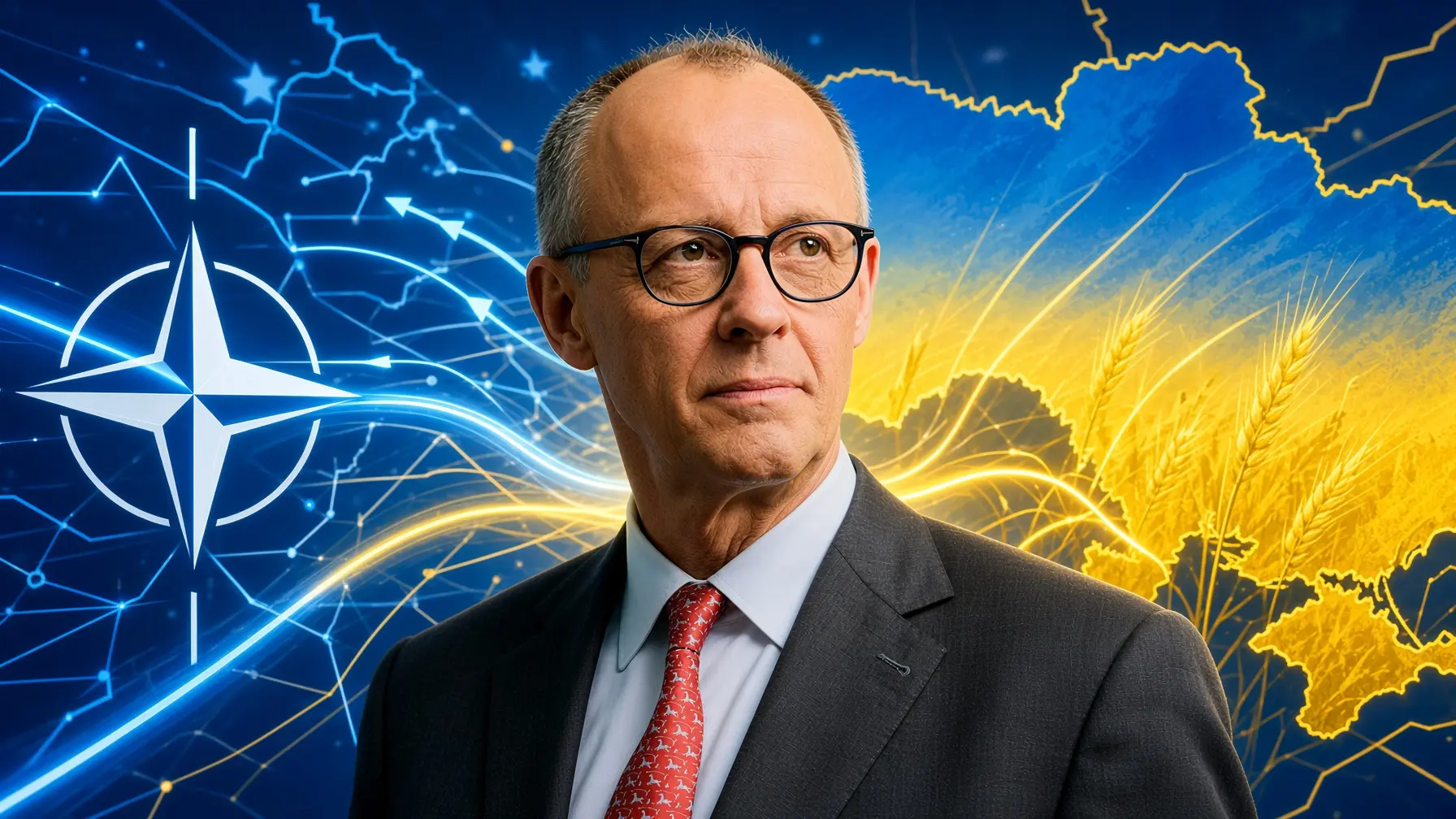
German Chancellor Friedrich Merz, at a joint press conference with NATO Secretary General Mark Rutte in Berlin on Monday, November 23, statedthat it was a mistake not to take up the American proposal at the 2008 NATO summit in Bucharest for Ukraine to begin its accession to the alliance. „I think today, looking back, we are all aware of this mistake,” the chancellor said. He added that if Ukraine…
Let the Szeklerland municipalities unite voluntarily! Not a bad proposal from the EMSZ
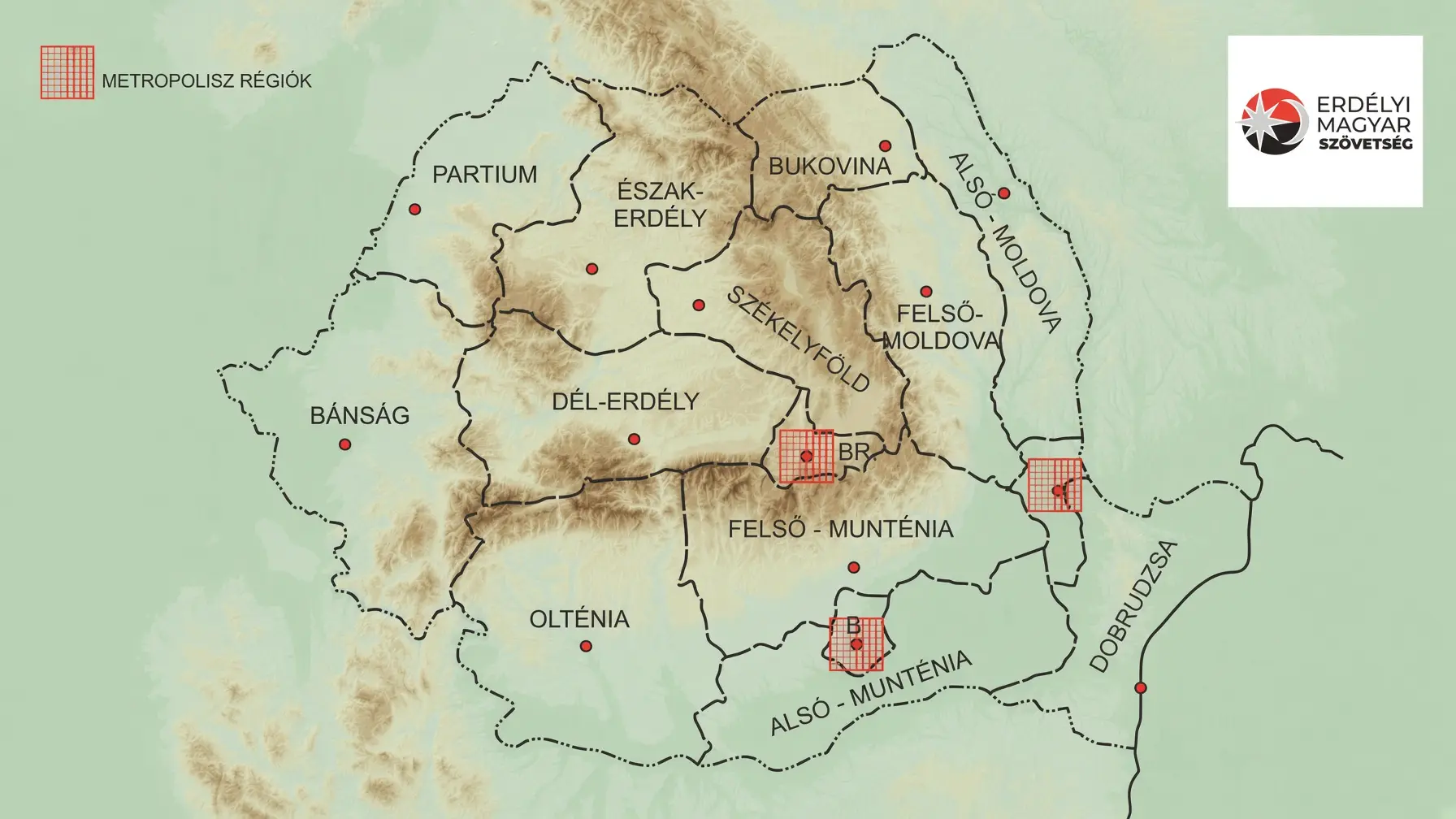
In the debate over administrative reform in Romania — a debate that, unfortunately, exists only in traces — the Hungarian Alliance of Transylvania (EMSZ) is proposing that the municipalities of Harghita and Covasna counties, together with those of the Mureș Seat (Marosszék) that currently belong to Mureș County, voluntarily organize themselves into a joint administrative unit, and the party…
Brexit's former architects now ask that no one disturb the ruins
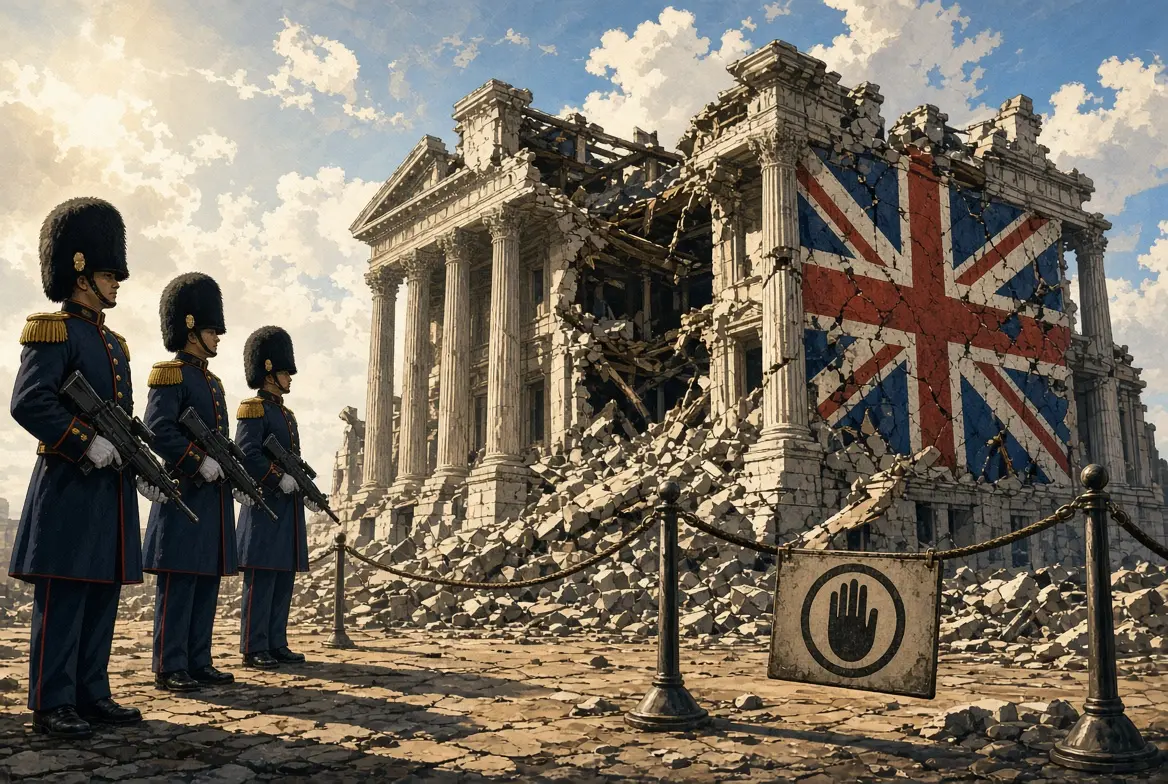
Five former British prime ministers warn Andy Burnham against reopening the question of returning to the European Union if at all possible — a particularly touching concern coming from people, several of whom personally worked to ensure that the United Kingdom would have anything to return from in the first place. David Cameron called the referendum, Boris Johnson campaigned relentlessly for…
Grindeanu would lower the language-use threshold! Do we seize the opportunity or let it slip away?
Sorin Grindeanu has just raised a possibility that we should seize on immediately: according to the leader of the PSD, after the merger of localities, the population threshold linked to minority language-use rights should be lowered. This is not yet a finished piece of legislation — we don't even know what percentage he has in mind — but opportunities rarely arise in Romanian politics for a…
The planet is warming, the oil business remains: the climate agreement failed in Antalya
After two weeks of negotiations and almost two days of extension, delegates from nearly two hundred countries at the Antalya climate summit reached the point of failing to adopt the conference's most important agreement, because its final draft left out precisely the shift away from fossil fuels - the talks on the climate crisis thus foundered on the fact that some of the participants were…