
Did Iran want to kill Trump? Mossad may be providing grounds for new strikes
According to Israel Hayom, Mossad handed the CIA intelligence suggesting that Iran was preparing attacks using explosive-laden drones against Donald Trump and senior officials of his administration. The story broke just as Washington is debating whether to continue negotiations with Tehran or to resume military strikes. The paper's anonymous Israeli and American sources themselves link the two issues, claiming that the threat significantly contributed to the hardening of Trump's negotiating stance. The alleged Iranian assassination plot can be real and at the same time be used for political pressure — the two possibilities are not mutually exclusive.
According to the report, the American services already knew about Iranian threats and asked the Israelis to verify the information; Mossad's findings were reportedly also confirmed by another Western intelligence service. This is a significant detail, since the process described corresponds, in itself, to standard intelligence cooperation: if an assassination plot against the leader of an allied country may be underway, passing on the warning is the services' job. The political question begins with who leaks which details to the public, for what purpose, and what decision they are trying to justify by doing so. The article does not reveal who initiated the leak of the information. In any case, the timing favors those pushing for further strikes. According to Axios, Netanyahu had already demanded in late October that Trump launch new strikes against Iran after the midterm elections. Meanwhile, the Wall Street Journal reported that a debate has also broken out within the American administration over continuing the war, with Vice President J. D. Vance naming the Iran war as one of the reasons for the Republicans' election defeat. In this context, news of an assassination plot against Trump also brings the president's personal security into the foreign-policy equation. Those pushing for negotiations now also have to answer why it would be worth making a deal with a leadership that allegedly seeks the president's life.
Moreover, this is not the first time suspicions have arisen about the political use of intelligence reports. According to a New York Times report from early November, summarized by Meduza, Israel also warned Washington that Iran might deploy chemical weapons. Some American officials took the warning seriously, while others saw it as part of Netanyahu's pressure campaign to push Trump into resuming large-scale military operations. Some representatives of the Gulf states that received the warning likewise doubted the claim about Iran's intentions. In other words, according to the report, the idea that intelligence material could become a tool of pro-war political argumentation has surfaced among both American and regional decision-makers. This does not mean, however, that the current assassination plot was invented, or that it has been proven that Mossad orchestrated the leak. The well-founded conclusion is that an intelligence report has already turned into a political argument, while the public cannot see the evidence behind it. Even a genuine threat can be presented selectively, exaggerated, or timed in a way that supports a decision already deemed desirable. This does not necessarily require fabrication — sometimes it is enough to choose which file becomes a headline and when.
Strengthening the president's protection and ordering a new series of war strikes are two separate decisions. The gap between them has to be bridged with political argument, and this is exactly what is worth watching in this story: how the claim "we must protect the president" turns into "we must bomb Iran again." In light of Netanyahu's earlier demands, it is reasonable to ask who benefits from this transition.
Ugar
Did you like this article?
Support our work with a small donation
Secure payment via Stripe • Min. 2 EUR
Gesta recommendations:
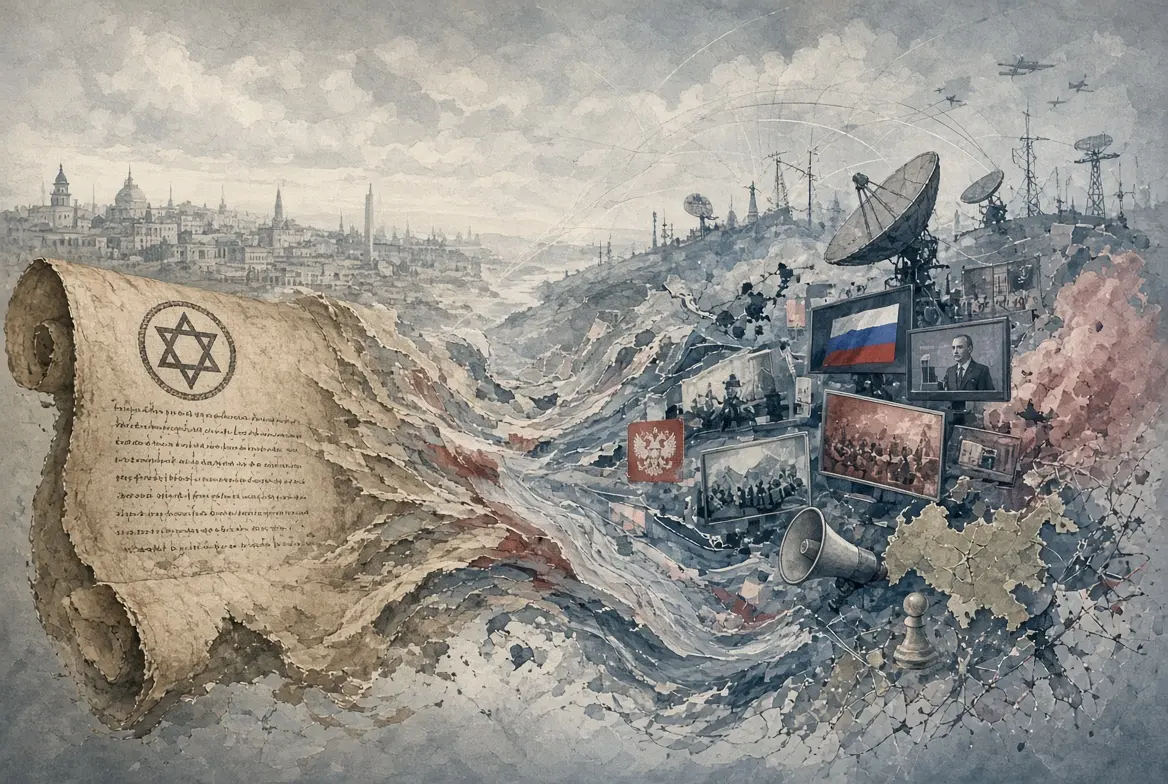
Cognitive Frontline, Part I/1: From the Protocols of the Elders of Zion to Today's Russian Propaganda, or the Lie That Outlived Its Own Exposure
A Russian forgery from the early twentieth century made its way across the Western world. Respected newspapers, influential businessmen and political movements lent it their names, and it kept spreading even after it had been exposed. The story of the Protocols of the Elders of Zion reveals how easily a society's existing fears can be turned into a worldview that, over time, comes to explain…
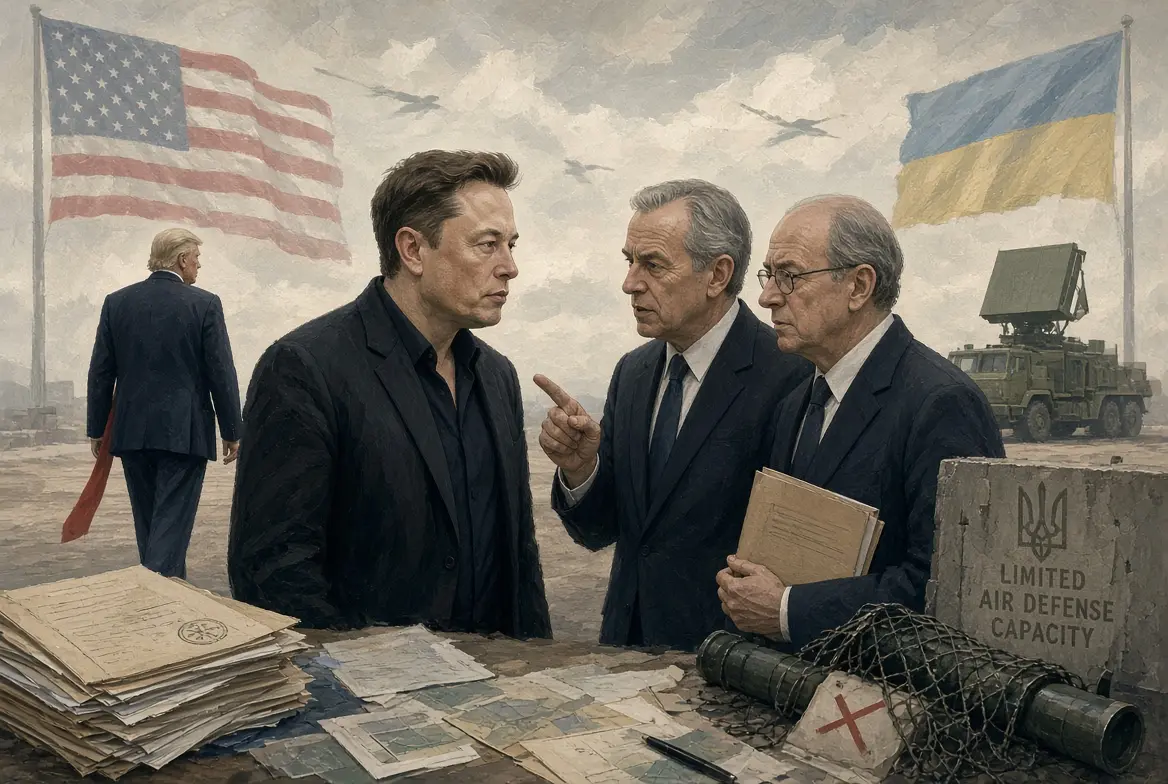
Musk Is Warned: Trump Will Leave, But the Documents Should Stay!
In a post-Trump era, which much of the world is awaiting with growing impatience, it may still matter who restricted Ukraine's satellite communications, why, and on whose orders, at a time when the country was under Russian air attacks. Political power has an expiration date, but electronic correspondence can have a backup copy. Two Democratic senators are now trying to make sure that by the time…

Two Months After Taking Command, Hamas Leader May Already Get to Check the Promises of Paradise
If the promises of seventy-two virgins can be redeemed, Samir Abu Younis may now have the chance to check the quality of service. The commander of Hamas's Rafah brigade was killed by an Israeli airstrike in the early hours of November 15 in the southern Gaza Strip; his death was confirmed by the Israeli military, the Shin Bet, and Hamas itself. No statement has been issued yet about the details…
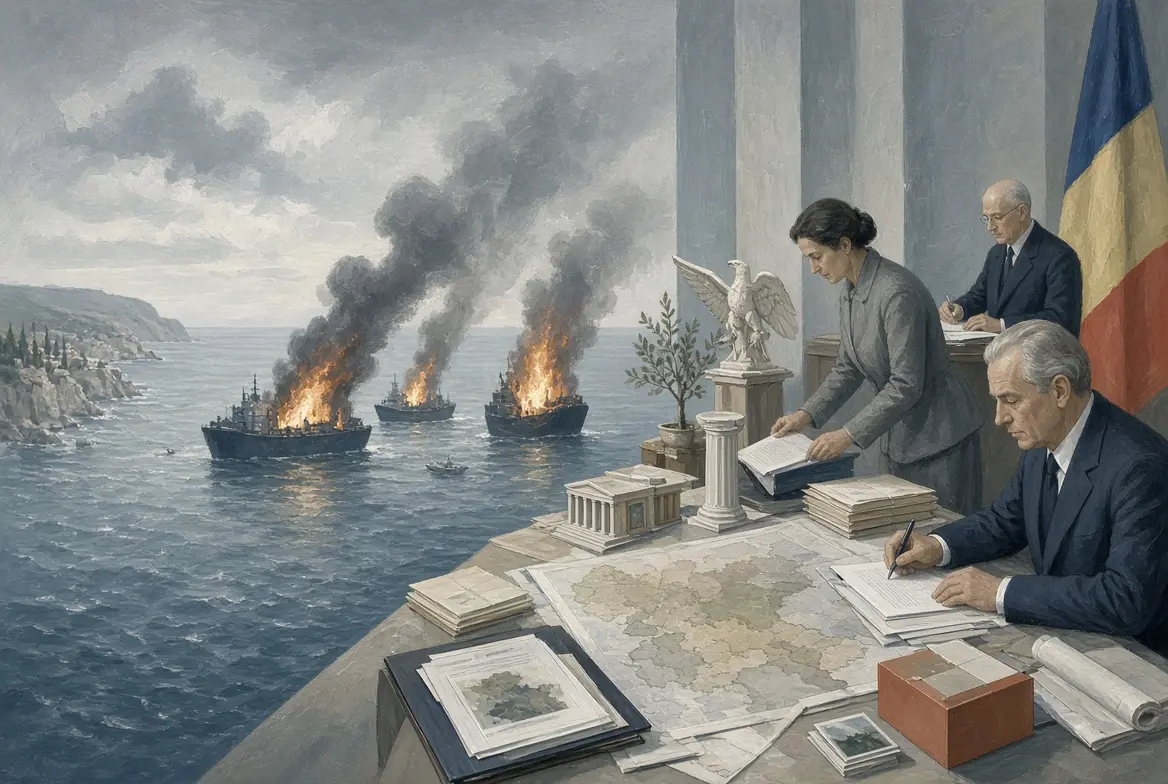
Ships burn in Romanian territorial waters, while deterrence is being prepared for the next meeting
Just the usual: drones slam into commercial ships at the mouth of the Danube, the crews put out the fires, Romania scrambles fighter jets, then announces that it will raise the matter at the next meeting in Brussels. This time three ships provided the set for yet another performance of the security-policy operetta titled “Now Something Really Should Be Done.” The sailors working on the decks…
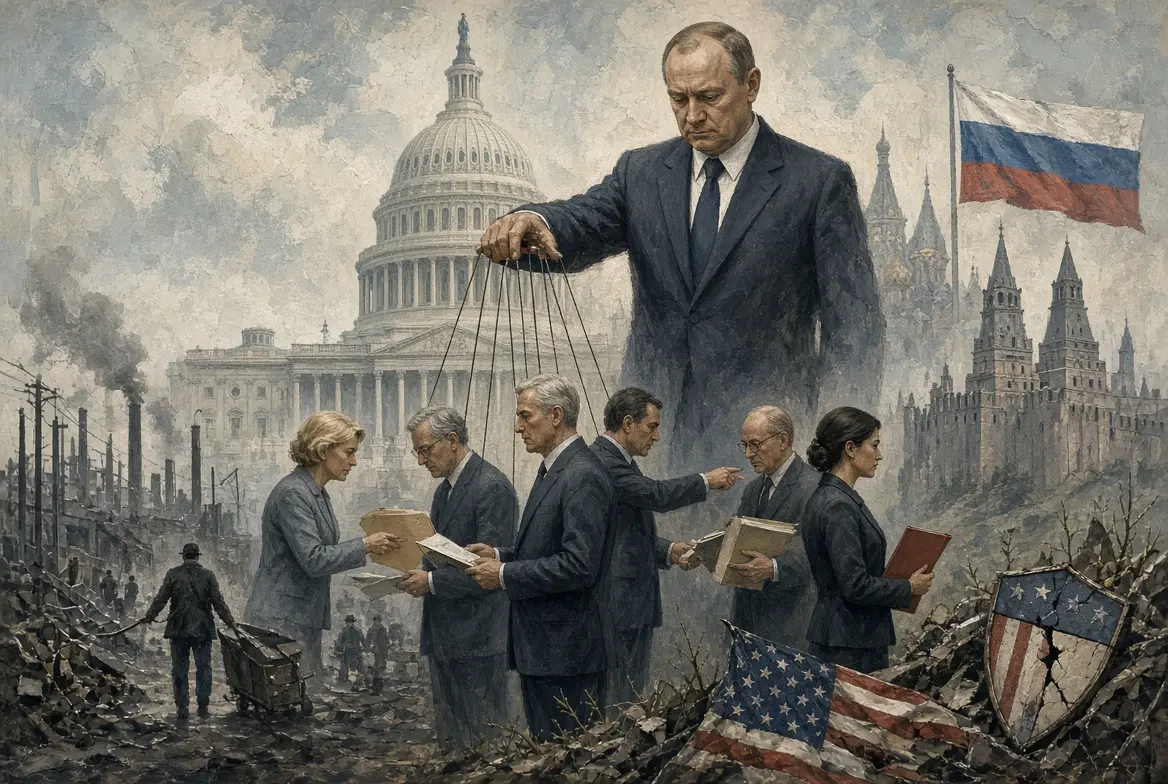
Putin's war against America: when politicians of the attacked country work for the aggressor
Russia did not need to invent the divisions within American society: it was enough to recognize them, deepen them, and then support political actors who, for their own interests, further erode the authority of democratic institutions. Reviewing David Corn's new book, historian Laurence Saint-Gilles argues that the Russian affairs surrounding Trump are interconnected episodes of a decade-long…