Russian oligarchs chipped in $5.6 billion for Putin's war, while we keep guarding Putin's rubles
Russia's richest businessmen this year helped out the state budget with 471 billion rubles, more than $5.6 billion. According to documents cited by Reuters, these "voluntary" contributions now cover more than one percent of Russian state spending, in a budget of which 38 percent goes to military and security purposes. The money flows into the state treasury, and from there it keeps the very same system running that is devastating Ukraine; to finance the war, there's no need to label each ruble individually — this one becomes a missile, that one an occupation, and a third one the rubble of the next Ukrainian city.
Without these contributions, this year's deficit could rise to 3.4 percent of GDP instead of the currently expected 3.2 percent, which is already double the original target. In other words, the oligarchs' money noticeably eases the budgetary burden of the war and gives Putin more room to continue his aggression, while in the West there are still those who would gladly separate Russian billionaires from the Kremlin, as if they were merely unlucky rich men — when in fact the Russian elite is keeping the war state alive with very tangible sums.
The quotation marks around "voluntariness" are of course justified, since in Putin's Russia a donation idea that emerges after a closed-door meeting can hardly be treated like the collection plate at a charity dinner. According to The Bell, the president raised the idea of voluntary financing of the war with businessmen in March; the Kremlin denied this but admitted that Putin welcomed the idea of budgetary contributions. By mid-August, 384 billion rubles had already come in, with most of the money flowing into the state treasury after March. By comparison, the plans for the next three years envisage a contribution of only 1.9 billion rubles per year, which clearly shows the extraordinary scale of this year's collection — yet the theoretical possibility of coercion does not automatically turn the entire oligarch class into innocent bystanders. Fear, business interest, and loyalty to the system coexist quite comfortably: someone who holds on to their fortune by the Kremlin's grace may well have a personal interest in that power surviving, and moreover the Kremlin itself claims that the donation initiative was proposed by one of the businessmen, who argued that the elite who grew rich through state connections now has a duty to give something back. So in the Russian leadership's own version of events, it is the oligarch himself who offers the money — and anyone who insists on portraying every contributor purely as an intimidated victim is spinning a tale even more exculpatory than the voluntary enthusiasm proclaimed by the Kremlin.
Meanwhile, Putin is settling in for a long war. According to a budget analysis by The Moscow Times, the planned 2027 defense allocation stands at 17.1 trillion rubles, 26 percent more than what had previously been planned for that same year, and roughly a third of total federal spending. Planned borrowing will rise to 6.1 trillion rubles, and debt servicing alone would eat up 9.4 percent of total spending. Healthcare, education, and social programs would receive less than previously planned for 2027, while new taxes are being introduced on, among other things, foreign online purchases and passive income. Rather than pointing to an imminent financial collapse, the numbers show that the Kremlin is siphoning off ever more money from companies, households, and public services in order to keep the war going.
By contrast, what do we see in part of the Western financial world?
A "peace" that would allow doing business with Moscow again is looking increasingly attractive — even if Ukraine ends up paying the price. According to a Reuters report citing a New York Times story published on Saturday, the U.S.–Russian talks already extend to a multibillion-dollar oil deal: American and Middle Eastern investors are circling Lukoil's foreign assets, including billionaire Todd Boehly and groups connected to the business circles of the American negotiators. In such a situation, business interests can easily push politics in a direction where Ukraine's resistance is seen as the obstacle to a deal, and the unlocking of money is expected to come from concessions by the invaded country. Belgium is a particularly embarrassing example of how financial self-protection can paralyze political action. Bart De Wever's government, citing legal and financial risks, has been blocking the plan for a loan to Ukraine based on the frozen Russian state assets held at Euroclear in Brussels, and has demanded joint guarantees against possible losses. De Wever has not even ruled out Belgium launching its own legal action if the EU were to proceed despite Belgian objections. In September, a solution was already being discussed that would transfer both the assets and the responsibility to a joint EU institution, precisely in order to overcome Belgian resistance.
The risk of lawsuits and financial losses is real, but that doesn't make it any less grotesquely distorted that the security of the aggressor's assets ranks higher, politically, than financing the victim's defense. We are building endless systems of guarantees around some future ruling, while Ukrainians have to survive the bombing in the present, and for them delay has a price measured in human lives. Responsibility can be shared, legal instruments can be developed, but no one else will make the political decision for us as long as we instinctively feel it more important to protect the money than to stop Putin from destroying yet another country.
Meanwhile, Russian oligarchs keep paying — because they're afraid, because they have a stake in it, because they're loyal, or because all three are true at once — and their payments strengthen the war state all the same. And the segment of the Western business and political elite that wants at all costs to protect its assets and return to doing business with Moscow is, through its own choices, helping to sacrifice Ukraine. In Putin's system, money is mobilized for the war; in ours, far too many are willing to accept the outcome of the war for the sake of money. It's about time this cowardice was finally called by its name, before we once again make Ukrainians pay in blood for the comfort of the wealthy West.
Disgrace
Did you like this article?
Support our work with a small donation
Secure payment via Stripe • Min. 2 EUR
Gesta recommendations:

Rubio backs Guilfoyle: a green light for toppling governments in Europe?
U.S. Secretary of State Marco Rubio has publicly voiced his support for Kimberly Guilfoyle, the United States ambassador to Greece, after senior Democratic lawmakers called for an investigation into the diplomat's activities. According to a report by G4Media, the objections relate to the promotion of U.S. liquefied natural gas sales in Southeast Europe and to the ambassador's dealings with…
Albanian PM: Ukraine's EU membership is a lie
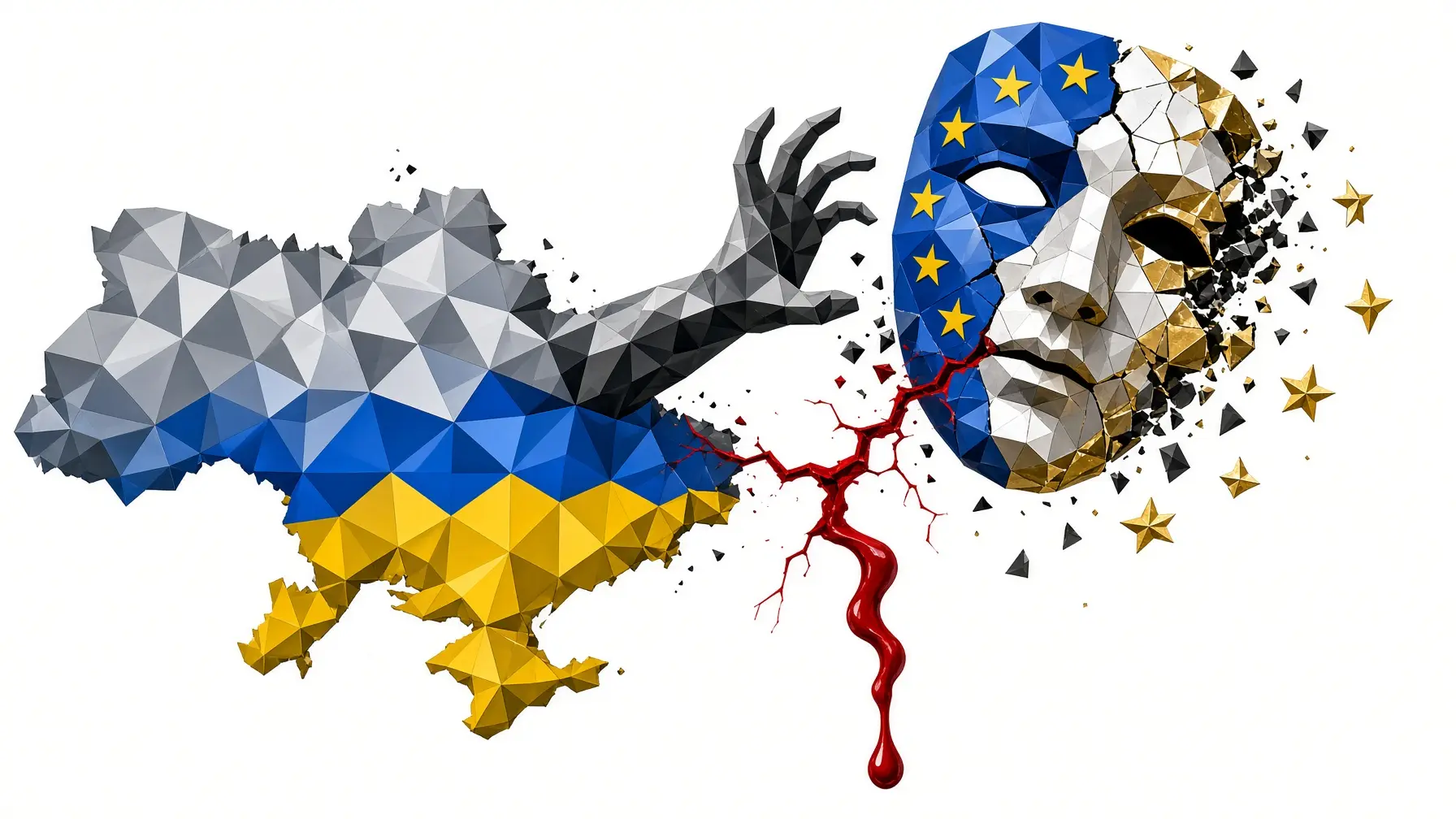
Albanian Prime Minister Edi Rama, in an interview with Die Welt, called the EU accession promises made to Ukraine a lie, because in his view, under the current conditions and following the usual procedure, the country will never be admitted. According to him, everyone knows this, and European officials even admit in private that the standard accession process is unsuitable for handling the…
Putin wants Kyiv evacuated so he can bomb it in peace
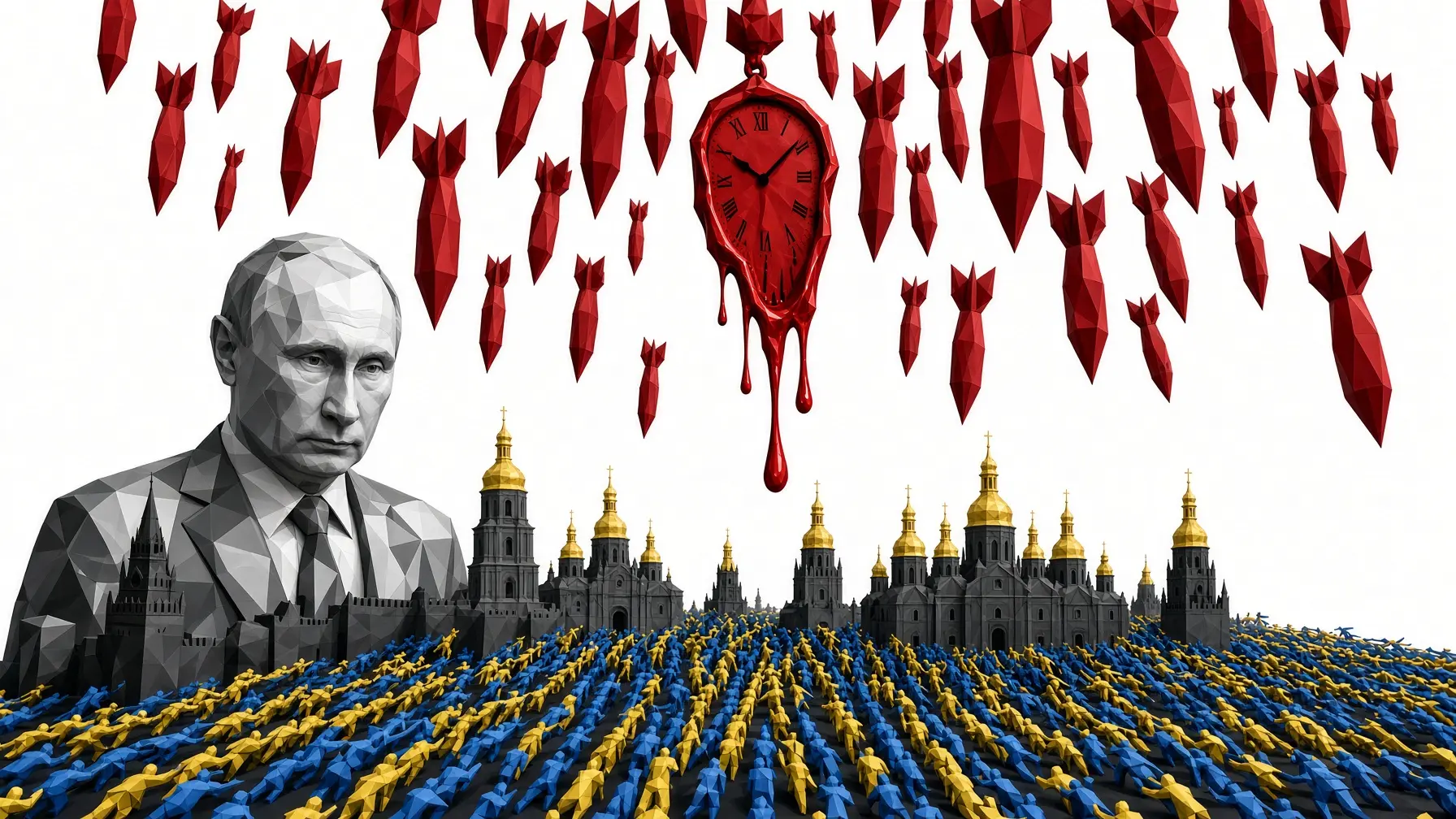
Russia has once again called on foreigners and diplomats in Kyiv to leave the Ukrainian capital, warning that the Russian army will continue its mass attacks. Saturday's statement from the foreign ministry even added that anyone who ignores the warning bears full responsibility for the consequences. What considerate killers: they warn in advance that they're going to shoot, and then it's the…
Axios: Trump's team held closed-door talks on next steps against Iran
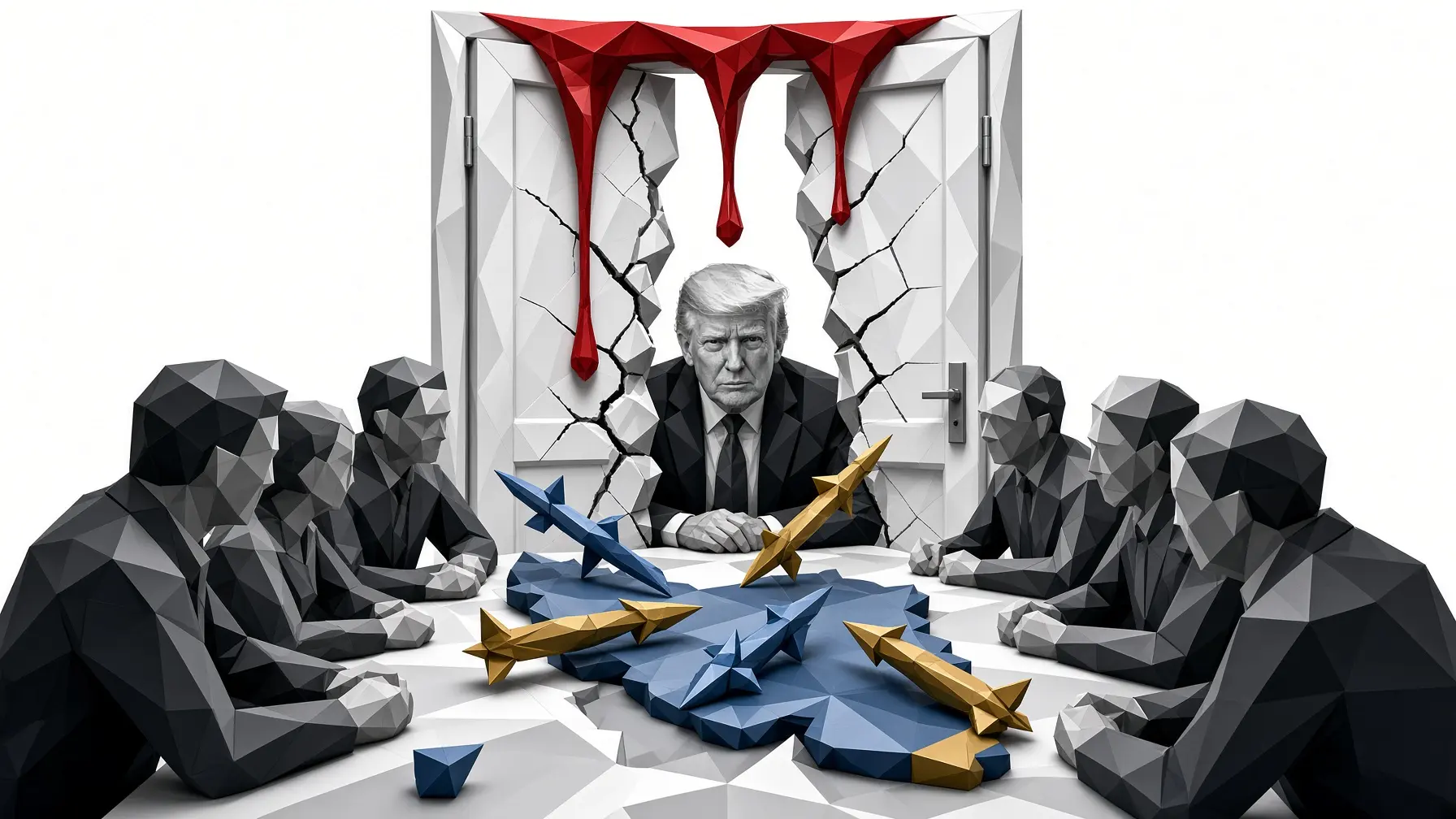
Several senior officials of the U.S. administration held a meeting lasting several hours at Camp David on Friday on the next steps regarding the war with Iran and the Houthi rebels in Yemen, Axios reported, citing three American officials. The administration did not announce the meeting and provided no details about the military or diplomatic options discussed there.
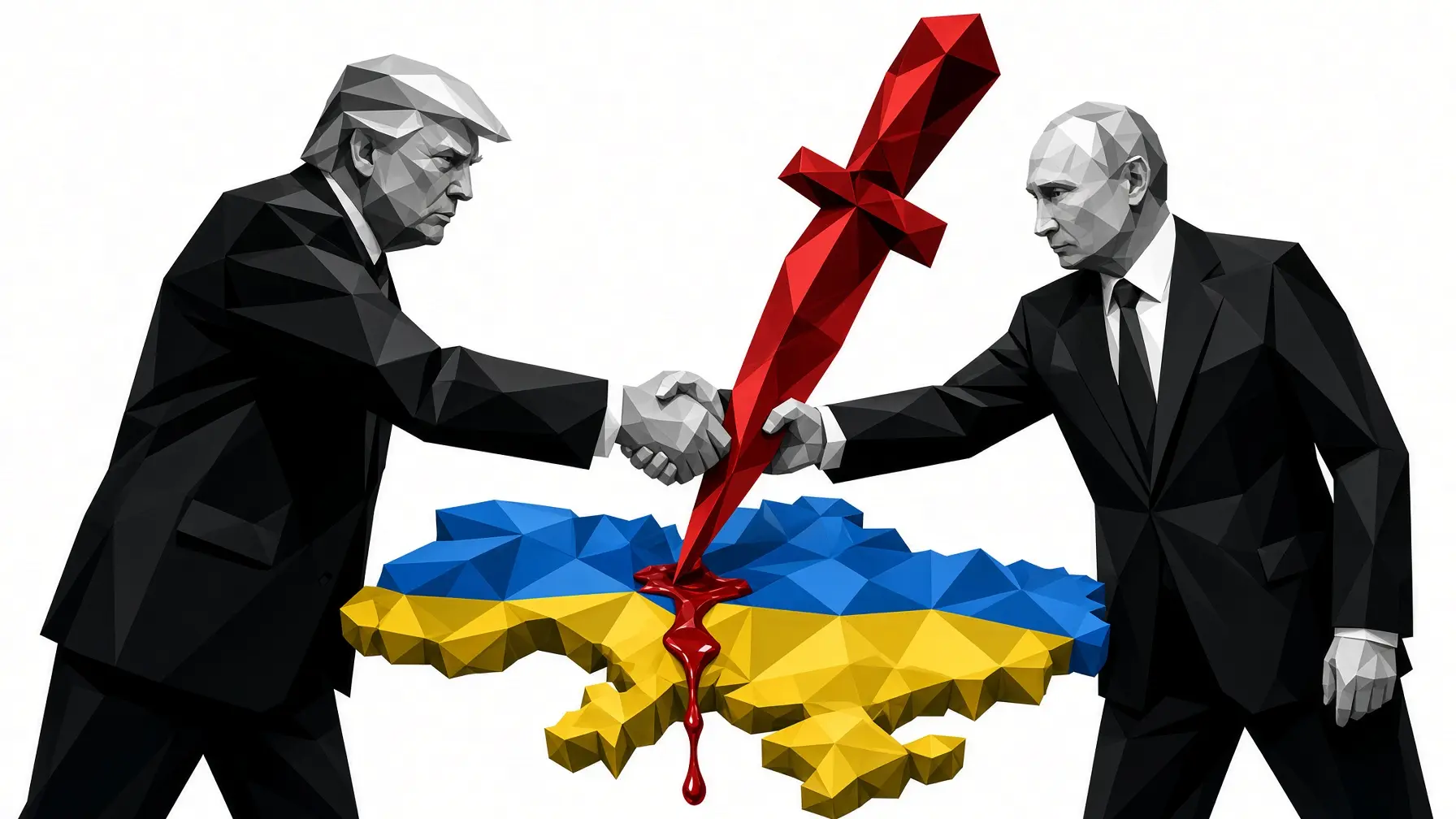
Here is the US-Russian deal that stabs Ukraine in the back
The American-Russian negotiations on ending the war in Ukraine also extend to a multibillion-dollar oil deal, among whose potential beneficiaries are Donald Trump's supporters as well as Middle Eastern investors linked to the business networks of the two chief American negotiators, Jared Kushner and Steve Witkoff. This was revealed by Anton Troianovski and Eric Lipton, two journalists at The New…