
Simion defended the AfD... from the Romanians
According to Alice Weidel, more and more immigrants from Romania are plundering the German welfare system. According to George Simion, there's nothing offensive about that. So Romanians working in Germany can rest easy: if the German far right wipes its feet on them, the leader of Romania's sovereigntists will personally check whether the shoe got dirty.
George Simion has finally spoken up and defended the person who had to be defended: Alice Weidel. The AfD co-chair took aim at immigrants from Romania, whereupon the full-time custodian of Romanian national pride emerged, looked around, and concluded that there's actually nothing to see here, it's just the press being oversensitive. He will, of course, continue to defend the homeland, but political friends shouldn't be expected to do the same — that would have diplomatic consequences.
At first glance, though, the situation didn't seem especially complicated. On October 28, Weidel wrote on X that an increasing number of immigrants arriving from Romania were "plundering" the German welfare system, listing child benefits, basic assistance and healthcare services, and citing Magdeburg as an example, where social spending linked to Romanian citizens had risen roughly twentyfold, to about three million euros a year. At the end of the post, naturally, the savior also appeared: only the AfD can change this. Well, jawohl: first you point out the foreigner, then the cash register, and finally the ballot paper; the audience will connect the dots. For Simion, it might have mattered just whom his German ideological ally was pointing at. In the first round of Romania's presidential election on May 4, 2025, more than 120,000 people in Germany voted for him, giving him 74.3 percent of the valid votes cast there. He achieved no better result anywhere else in Europe. So one of the most enthusiastic bases of support came from exactly the community that Weidel has now turned into a campaign prop — and at sovereigntist family gatherings, that sort of thing is always awkward. Seen from Bucharest, the Romanian working abroad is the nation's exiled hero, who sends money home, supports his family, and on Sunday goes out to save the country. Seen from the AfD's campaign, the same person is now an immigrant who has gotten too close to the German wallet. As long as they're jointly bashing Brussels, they understand each other perfectly; the trouble starts when the German sovereigntist notices that the Romanian sovereigntist's voter is living right next door.
On November 11, Simion attempted, on Digi24, the feat of smoothing this over and explaining it away.
"I don't think she insulted us"
he said of Weidel, going on to explain that the Romanian press is often too sensitive and that there are nuances to the statement. In his view, a special situation has developed in Magdeburg, and even hardworking Romanians have had enough of opportunists living off benefits. He also added that many of the Romanians in Germany he knows also support the AfD. What luck that Simion is here to explain it to us: a person reads that immigrants arriving from Romania are plundering the welfare system, and with his simple mind might actually think that immigrants from Romania are being accused of plundering the welfare system. But then Simion arrives with the nuances, and it turns out the sentence was actually born out of deep respect for the honest Romanian worker — it just doesn't look that way at first. Meanwhile, Dominic Fritz, chairman of the USR, added something to the Magdeburg arithmetic lesson. According to him, over the past decade it wasn't only the social spending linked to Romanians that grew twentyfold, but also the number of Romanians living in the city. If the two figures refer to the same period and a comparable population, then per capita spending has remained roughly unchanged. That, of course, is an inconvenient turn: spending twenty times as much money on twenty times as many people sounds a lot less like plundering and a lot more like simple division. And division, as everyone knows, doesn't mobilize voters very well.
Weidel, incidentally, had shared a Welt article about a documentary made by Jana Gareis for MDR. The crew filmed in Magdeburg, Halle, Hagen and various towns in Romania, and presented problems that authorities genuinely ought to deal with: overcrowded housing, neighborhood conflicts, rules that can be gamed, and the difficulty of enforcement. The story thus involves a variety of actors, interests and responsibilities, which works to a documentary's advantage — but is just unnecessary hassle for an anti-foreigner campaign, since fraud has to be uncovered, proven, and the perpetrator and the money have to be found. A Romanian, on the other hand, is easy enough to spot.
In his response, Fritz set alongside the spending what German society gets in return. He spoke of Romanian doctors working in German clinics, whose training Romanian taxpayers had funded, and of the women who care for elderly Germans while their own children stay home with their grandparents. The grandparent looks after the grandchild for free, so the mother can take care of someone else's family in Germany. Fritz therefore asked Weidel who, in this story, is actually exploiting whom, and demanded an apology. The German-born mayor of Timișoara defended Romanians in German, while the Romanian nationalist excused the German nationalist in Romanian. If someone wrote this as political satire, the editor would probably send it back saying, fine, fine, but let's stick to something believable.
Within AUR, MP Andrei Gușă at least recognized that it isn't necessarily Weidel's self-esteem that needs defending here. He acknowledged Germany's right to act against fraud, but rejected the stigmatization of the Romanian community, and reminded people that Romanians are EU citizens entitled to freedom of movement and the right to work, and that Germany has long benefited from Romanian labor. It's worth preserving this moment: the Romanian sovereigntist taking cover behind rights guaranteed by the European Union in order to protect his compatriots from the German sovereigntist. Wicked Brussels suddenly becomes quite a useful institution the moment one side, amid the great friendship of nations, starts eyeing where the other's coat is hanging.
Simion, however, had more urgent business: preparing the Bucharest reception of AfD representatives for AUR's November 13-15 events, whose program included the launch of a Romania-Germany friendship group. Asked whether the guests would apologize, he said he saw no reason for that, and that he wouldn't either in their position. The hospitality is impeccable: the guests hadn't even arrived yet, and the host had already swept the awkward question out of their path. So the Simion voter working in Germany has just this to digest before the next shift: when Bucharest wants his vote, he's the pride of the nation; when his German political friend turns him into a suspicious foreigner, he's expected to appreciate the nuances. For more detailed guidance, Simion might want to pay a visit to Balázs Orbán — there's still room for Romania's people's leader to grow.
Ugar
Did you like this article?
Support our work with a small donation
Secure payment via Stripe • Min. 2 EUR
Gesta recommendations:

A PNL-USR bloc would catch up with AUR
The far-right AUR remains the most popular party in Romania, but since September it has lost more than five percentage points of support, while the PSD, now in government, has gained nearly six points. According to INSCOP's November survey, a joint run by the PNL and USR would reshuffle the balance of power: their alliance would come second, and among party voters who say they will definitely…
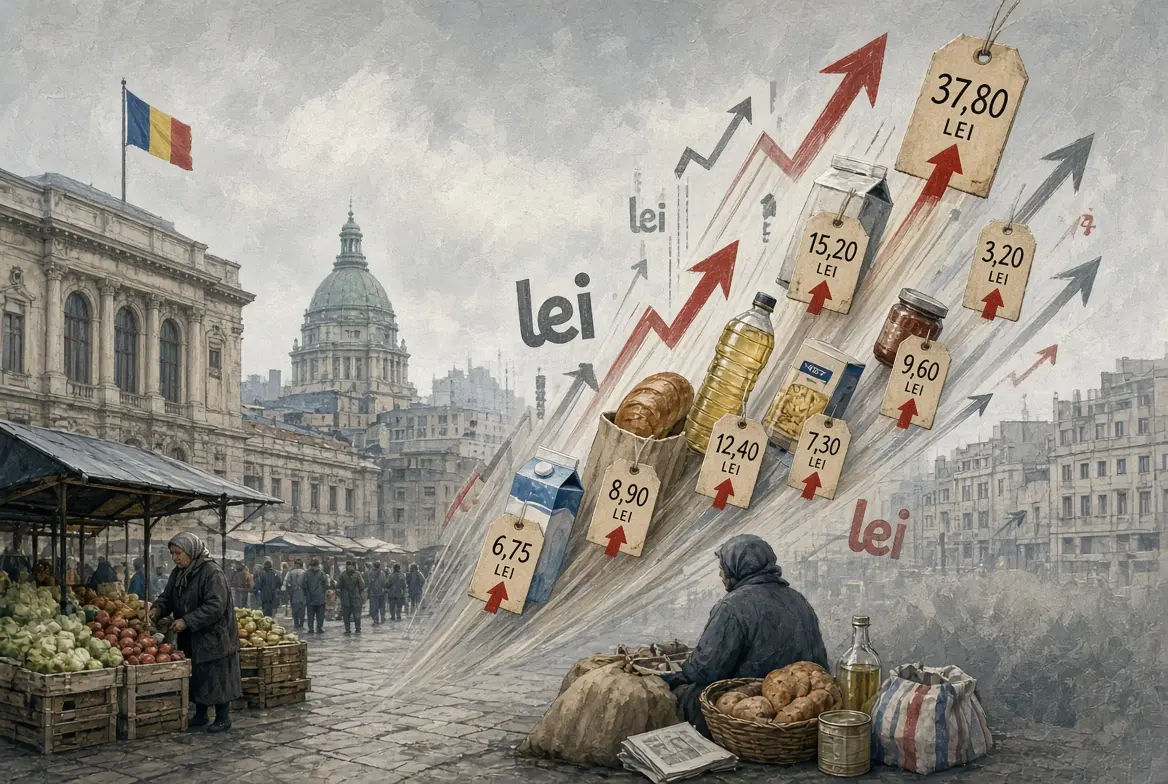
Inflation: prices are rising faster and faster in Romania
In Octoberannual inflation in Romania rose again to nearly seven percent, and on November 16 the central bank further worsened its forecast: it now expects year-end inflation of 7.4 percent instead of the previously anticipated 6.1 percent. The cost of fuel and energy is increasingly being built into the prices of more and more goods and services, while ahead of winter, uncertainties in…
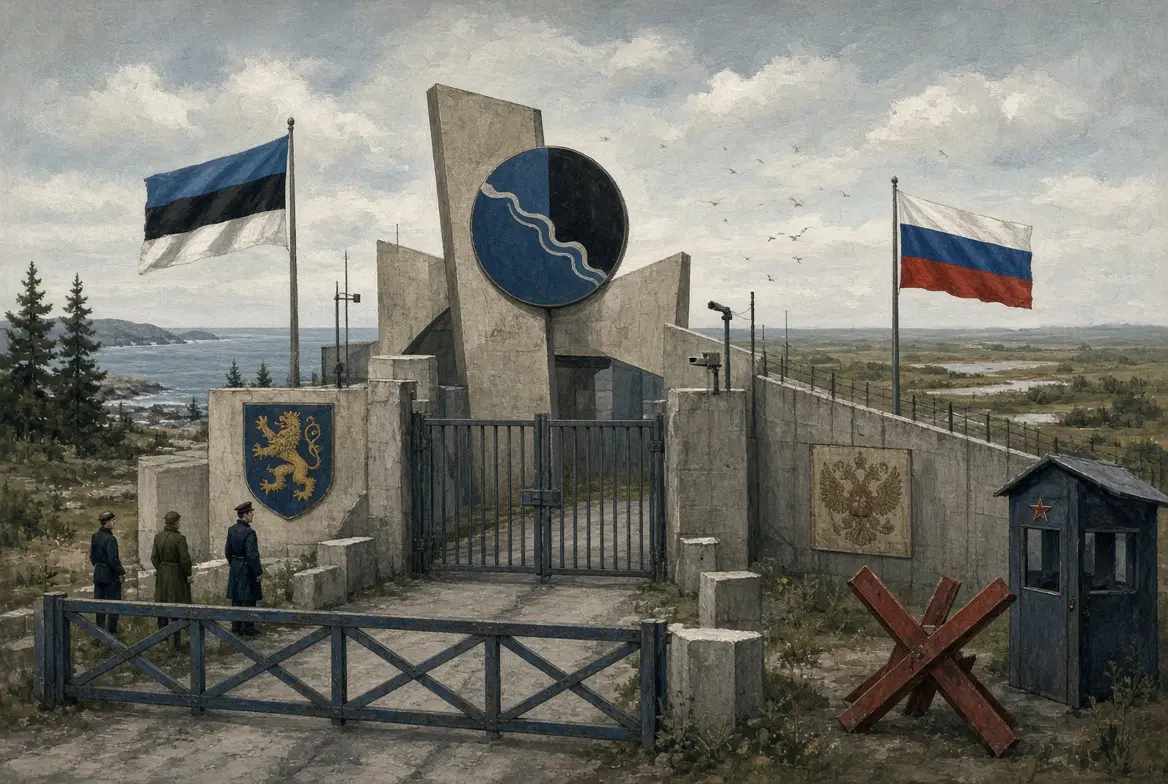
Estonia closes border crossings with Russia
Estonia will close, starting December 1, all three of its road border crossings with Russia that are still operating, after an attempt early Saturday to set fire to and blow up the Tallinn-area plant of drone maker Threod Systems. According to Estonia's internal security service, the attack was commissioned and directed by Russian military intelligence, the GRU. Eight people were detained, and…

Strasbourg: Danileț's punishment was unlawful! Savonea: I don't give a shit
Cristi Danileț has won his case for freedom of expression in Strasbourg, but has still not managed to get the Romanian court ruling that upheld his punishment overturned. The High Court of Cassation and Justice definitively rejected the former Cluj-Napoca (Kolozsvár) judge's request for a retrial on November 16, arguing that the seven-year-old sanction no longer has consequences serious enough to…

Cognitive Frontline, Part I/1: From the Protocols of the Elders of Zion to Today's Russian Propaganda, or the Lie That Outlived Its Own Exposure
A Russian forgery from the early twentieth century made its way across the Western world. Respected newspapers, influential businessmen and political movements lent it their names, and it kept spreading even after it had been exposed. The story of the Protocols of the Elders of Zion reveals how easily a society's existing fears can be turned into a worldview that, over time, comes to explain…