
Estonia closes border crossings with Russia
Estonia will close, starting December 1, all three of its road border crossings with Russia that are still operating, after an attempt early Saturday to set fire to and blow up the Tallinn-area plant of drone maker Threod Systems. According to Estonia's internal security service, the attack was commissioned and directed by Russian military intelligence, the GRU. Eight people were detained, and the factory's security guards prevented the operation from causing serious damage.
The border closure was announced on Sunday, November 15, by Foreign Minister Margus Tsahkna, who said Russia needs to understand that hostile actions against Estonia have consequences. The announcement concerns the Narva, Luhamaa and Koidula road crossings; the government will discuss the details of implementation in the coming days, including whether the closure should be temporary or indefinite.
The attackers tried to break into the Threod Systems building in Viimsi, north of Tallinn, at 3:06 a.m. on Saturday, November 14. According to Estonian authorities, after breaking the windows they intended to pour in a flammable liquid to start a fire and cause an explosion, but security guards intervened. No one was injured and the plant suffered no significant damage, so production and deliveries can continue uninterrupted. However, according to Margo Palloson, director general of Estonia's Internal Security Service (KAPO), the attackers would have caused severe destruction had they succeeded in carrying out their plan. Palloson said counterintelligence established that Russia was behind the operation, and that it was organized and directed by the GRU.
“This was another attempt by Russia to carry out a sabotage operation in Estonia,”
he said. Tsahkna likewise spoke of clear evidence of the Russian military intelligence service's involvement.
All eight detained suspects live in Latvia. According to a report by Trending Topics, four are Latvian citizens, while four hold the country's special "non-citizen" status, which applies to some former Soviet citizens — and their descendants — who were left without citizenship after the collapse of the Soviet Union. Several of them have criminal records. Estonian Prosecutor General Astrid Asi said that pretrial detention has been requested for five suspects; the investigation must also clarify who played what role in organizing and carrying out the attack, and who else may have been involved. Meanwhile, Latvia's state security service conducted searches at nine locations, where explosive devices, pyrotechnics, ammunition, phones and data storage devices were seized.
The targeting of Threod Systems fits a pattern of attacks on European defense companies supplying Ukraine. The company manufactures long-range reconnaissance and attack drones and also supplies Ukraine. It is also involved in British military programs: its Cata B launch catapult was used for the first launches of British attack drones from the aircraft carrier HMS Queen Elizabeth, and the UK Ministry of Defence also chose this system for the army's Asgard drone program. This is the second attack on an Estonian defense company this year. In August, an arson attack occurred at the Tallinn facility of Milrem Robotics, a maker of ground robotic vehicles, which KAPO also linked to Russian intelligence services. According to the service, Moscow aims through such actions to instill fear, hinder weapons production and technological development, and prevent finished equipment from reaching Ukraine.
After the earlier attack, Estonian authorities warned defense companies and offered recommendations for strengthening their security. According to Prime Minister Kristen Michal, Threod Systems followed these recommendations, which has now produced a tangible result: preparedness, the guards' action and the authorities' quick response together prevented more serious damage. Michal described the incident as part of Russia's hybrid war against Europe, aimed at dividing Western countries, weakening support for Ukraine, and easing the pressure on Moscow. "We will not be intimidated," he said.
The recruitment of the perpetrators also follows a known pattern. According to Palloson, the GRU favors recruiting people living in the European Union who can move freely within the Schengen area and who, because of criminal connections or financial vulnerability, can be persuaded to carry out sabotage. The physical attack is thus carried out by locally recruited, expendable operatives, while those who commission it remain at a safe distance. The current case also shows that the border closure alone cannot eliminate this threat, since the suspects were living in Latvia. At the same time, the Estonian government also sees a security risk in direct border traffic. According to Michal, Russian services also use the crossings to influence people, while Tsahkna expects the closure to make it harder to evade sanctions. Interior Minister Igor Taro recalled that every previous tightening of the rules came with a warning: further hostile acts could lead to a complete halt of traffic. He said that point has now been reached.
The planned measure applies to both pedestrians and vehicles. According to ERR, the three road crossings currently operate from 7 a.m. to 7 p.m., handling pedestrian and freight traffic; however, it has not been possible to cross by car at Narva since early 2024. Estonian residents and truck drivers currently in Russia have been warned that they can still return home via these routes over the next two weeks, but from the beginning of December the journey home could become long and complicated. Estonia has gradually tightened entry rules since the start of the Russian invasion: since 2022 it has barred entry to most Russian citizens arriving on tourist visas, and since 2023 it has also banned the entry of cars with Russian license plates. The newly announced closure will hit Narva particularly hard, where about ninety percent of the population are native Russian speakers, and many have relatives living across the border river in Ivangorod. After Finland earlier closed its own border crossings with Russia, the Narva route gained added importance: according to Trending Topics, more than a third of those crossing there recently have arrived from Finland. Tsahkna has informed his Finnish, Latvian and Lithuanian counterparts, as well as EU partners, about the planned border closure, and on Monday, November 16, he will press for tougher sanctions and visa policy at the EU foreign ministers' meeting in Brussels. As of the publication of Sunday's reports, Moscow had not responded either to Estonia's accusations regarding the attack or to the announcement of the border crossing closures.
Ugar
Did you like this article?
Support our work with a small donation
Secure payment via Stripe • Min. 2 EUR
Gesta recommendations:

A PNL-USR bloc would catch up with AUR
The far-right AUR remains the most popular party in Romania, but since September it has lost more than five percentage points of support, while the PSD, now in government, has gained nearly six points. According to INSCOP's November survey, a joint run by the PNL and USR would reshuffle the balance of power: their alliance would come second, and among party voters who say they will definitely…
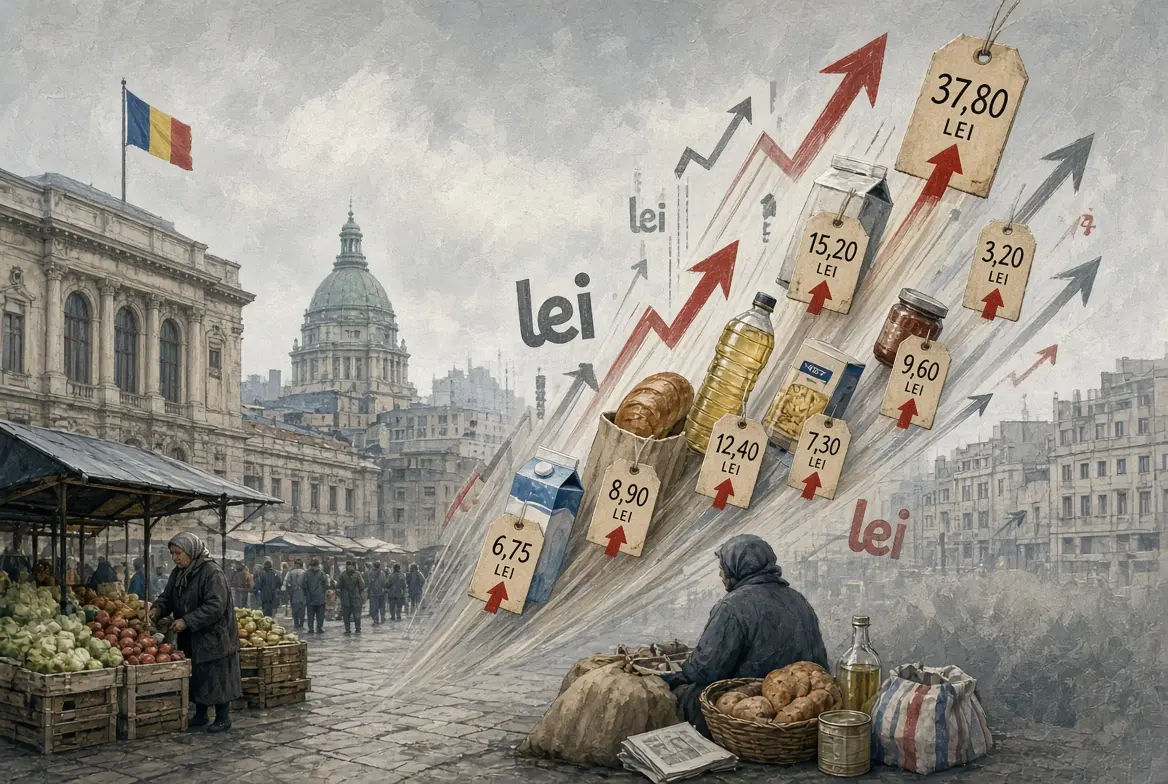
Inflation: prices are rising faster and faster in Romania
In Octoberannual inflation in Romania rose again to nearly seven percent, and on November 16 the central bank further worsened its forecast: it now expects year-end inflation of 7.4 percent instead of the previously anticipated 6.1 percent. The cost of fuel and energy is increasingly being built into the prices of more and more goods and services, while ahead of winter, uncertainties in…

Strasbourg: Danileț's punishment was unlawful! Savonea: I don't give a shit
Cristi Danileț has won his case for freedom of expression in Strasbourg, but has still not managed to get the Romanian court ruling that upheld his punishment overturned. The High Court of Cassation and Justice definitively rejected the former Cluj-Napoca (Kolozsvár) judge's request for a retrial on November 16, arguing that the seven-year-old sanction no longer has consequences serious enough to…
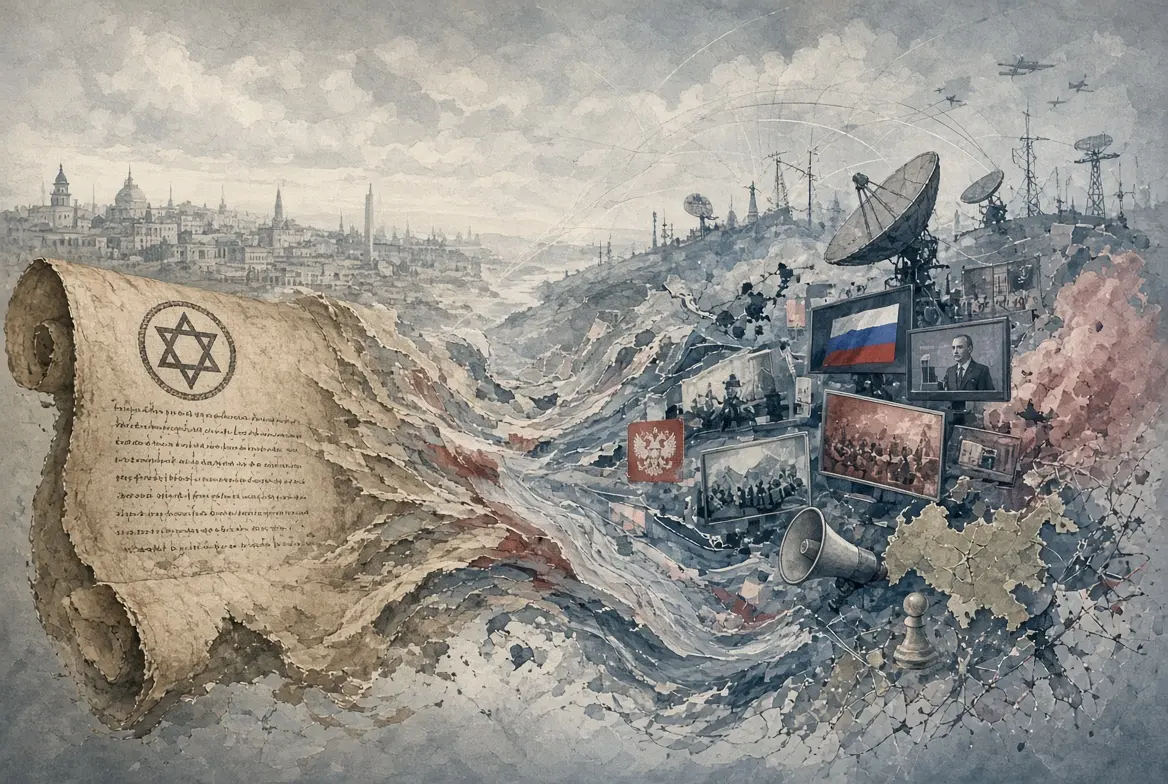
Cognitive Frontline, Part I/1: From the Protocols of the Elders of Zion to Today's Russian Propaganda, or the Lie That Outlived Its Own Exposure
A Russian forgery from the early twentieth century made its way across the Western world. Respected newspapers, influential businessmen and political movements lent it their names, and it kept spreading even after it had been exposed. The story of the Protocols of the Elders of Zion reveals how easily a society's existing fears can be turned into a worldview that, over time, comes to explain…
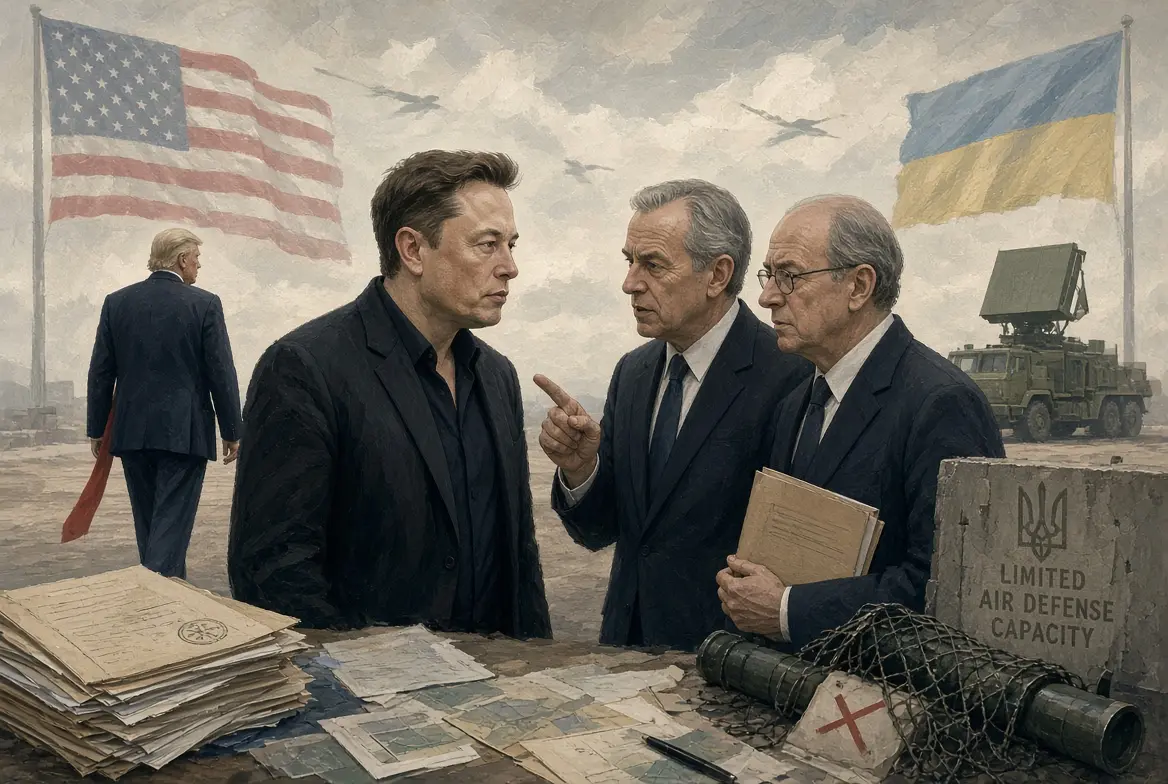
Musk Is Warned: Trump Will Leave, But the Documents Should Stay!
In a post-Trump era, which much of the world is awaiting with growing impatience, it may still matter who restricted Ukraine's satellite communications, why, and on whose orders, at a time when the country was under Russian air attacks. Political power has an expiration date, but electronic correspondence can have a backup copy. Two Democratic senators are now trying to make sure that by the time…