The Kremlin now wants to cut off Ukraine's maritime supply lines
Russia wants to completely halt the shipment of weapons, ammunition and fuel intended for the Ukrainian army across the Black Sea – Dmitry Peskov announced on October 2. The Kremlin spokesman described cutting off maritime supplies as one of the key goals of the war against Ukraine, while claiming that Moscow is merely responding to Ukrainian maritime attacks. According to him, Ukraine “must pay the price” for these actions, and it is already paying, with the retaliation set to continue.
The explanation is a familiar one: the defense of the attacked country becomes the punishable act, while the aggressor's next strike is presented as the justified response. Peskov added that Kyiv shows no willingness for comprehensive agreements, and that, in his view, partial deals do not bring the parties closer to a settlement. Recalling Putin's statement from the previous day, he said Russia needs peace rather than a ceasefire. The threat is particularly telling given that a new diplomatic initiative has meanwhile been launched to protect Black Sea shipping. According to a Bloomberg report, Turkey and the UN organized talks for early October in Russia and Ukraine, to be mediated by delegates from the Swiss Centre for Humanitarian Dialogue. The process, launched in September, seeks a narrowly defined, mutual agreement on freedom of commercial shipping and the protection of ports and energy infrastructure. Turkish, American, European, Indian and Egyptian representatives took part in a preparatory meeting held during the UN General Assembly. The initiative builds on the experience of the grain shipping agreement set up in 2022, which for a time guaranteed safe passage for food and fertilizer shipments leaving Ukrainian ports. However, a major obstacle to the current talks is Russia's list of demands: Moscow would expect sanctions relief and significant Ukrainian military concessions in exchange for a new Black Sea agreement. In September, Foreign Minister Sergey Lavrov called a return to the previous agreement outright unacceptable and unrealistic.
Mayhem
Did you like this article?
Support our work with a small donation
Secure payment via Stripe • Min. 2 EUR
Gesta recommendations:
Meloni asks EU for greater fiscal leeway due to rising energy prices
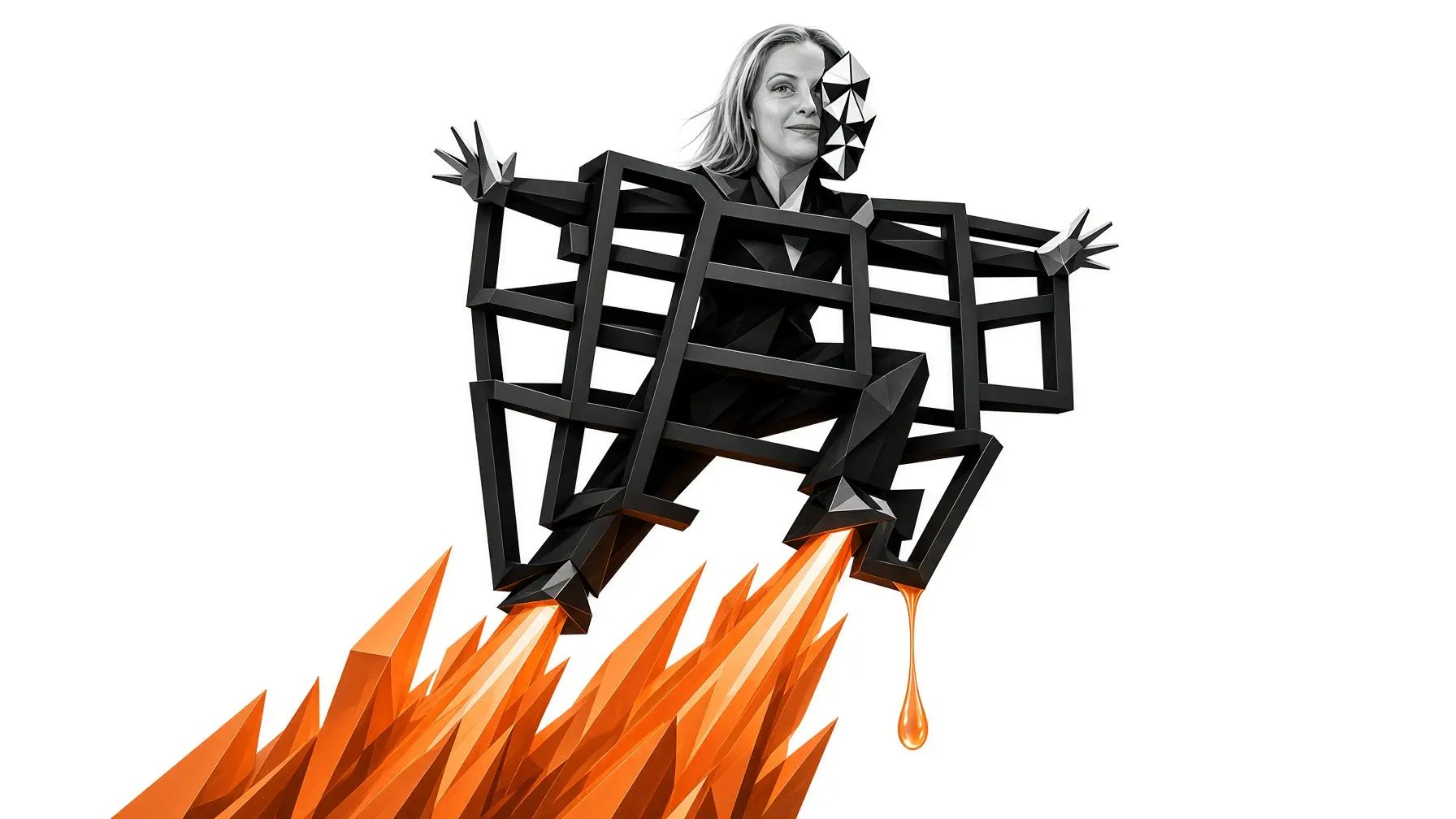
Italian Prime Minister Giorgia Meloni has asked Ursula von der Leyen, President of the European Commission, for more flexible application of the EU's fiscal rules. In a letter sent on October 1, she argued that the energy crisis is driving inflation higher than expected, increasing state spending and narrowing the room available to support households and businesses.

Congressional investigation sought into Kimberly Guilfoyle case
Senator Jeanne Shaheen and Representative Gregory Meeks, the senior Democrats on the two foreign affairs committees of the US Congress, have requested an investigation into the activities of Kimberly Guilfoyle, the US ambassador to Greece, from Secretary of State Marco Rubio. The two lawmakers sent separate letters to Rubio seeking clarification of the potential conflicts of interest uncovered by…

Screw Kerkez's roadside-working mother — go, Ukraine, on Monday!
Milos Kerkez and his father also ended up on the Myrotvorets database, which collects Ukraine's "enemies" and lists them as provocateurs accused of supporting Russian aggression. The listing itself is up to the website's editors, but the story that led to it wasn't invented by the database's editors: the Hungarian national team player supplied the footage on the pitch, and his father added the…
America First, but Putin is even firster
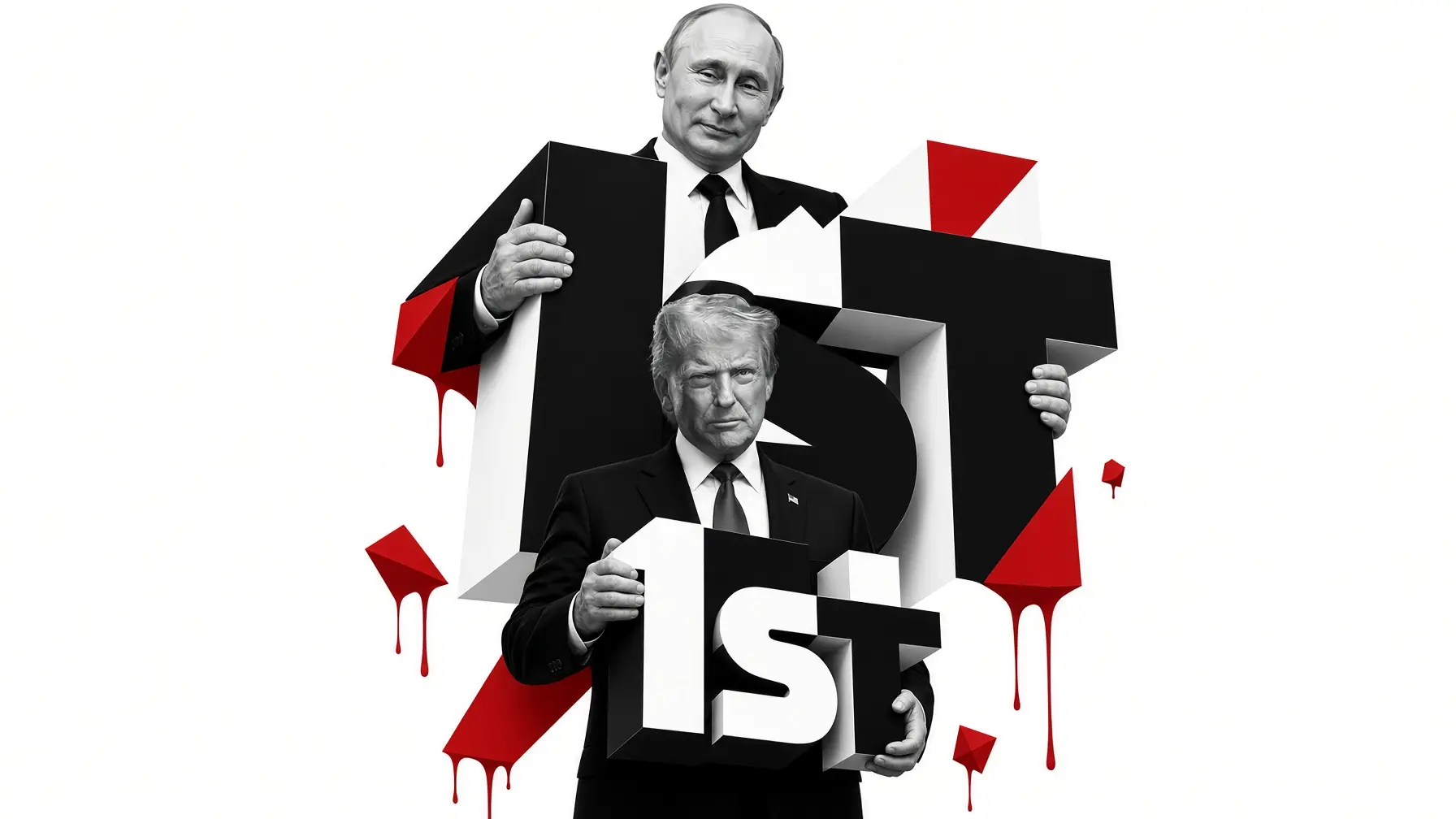
Ukraine has to specifically ask Washington to sanction the companies and individuals helping build Russia's satellite internet network before the system gives Moscow yet another military advantage. One would think that reining in a Russian competitor to American technology — one that, on top of everything, can be used in a war of aggression — would fit neatly into the "America First" agenda, and…

Europe's leaders standing by Ukraine try to curb war fatigue in the language of peace
Europe's most important supporters of Ukraine are increasingly talking about negotiations and a diplomatic end to the war, but according to a report in The Wall Street Journal, this is aimed primarily at European voters, not a response to some newly discovered Russian desire for peace. An article by Laurence Norman and Bertrand Benoit, published on October 1, examines how governments are trying…