Croatia set to extradite Ukrainian diver suspected in Nord Stream bombing to Germany
A Croatian court has approved the extradition to Germany of Ukrainian citizen Volodymyr Zhuravlyov, who is wanted there over his alleged role in the 2022 Nord Stream sabotage. The suspect's lawyer has three days to appeal the decision.
The professional diver was arrested on the Croatian Adriatic coast on August 18 under a German European arrest warrant. According to authorities, he was using a false identity and posing as a member of a film crew. That crew happened to be shooting a film called Snake Island about the Nord Stream bombing, on a stretch of coastline where the conditions of the operation carried out in the Baltic Sea could be reconstructed. Zhuravlyov was also arrested in Poland in September 2025 under the same German warrant, but a Polish judge rejected his extradition at the time and ordered his release. According to the German federal prosecutor's office, Zhuravlyov was a member of the unit led by Serhii Kuznietsov, a former Ukrainian military officer. Kuznietsov has already been extradited to Germany by Italy, and his trial is set to begin in Hamburg on October 14. German investigators have identified a total of five men and one woman as participants in the sabotage operation.
The Nord Stream 1 and Nord Stream 2 gas pipelines running along the bottom of the Baltic Sea were damaged on September 26, 2022, near the Danish island of Bornholm. The pipelines carried natural gas from Russia to Europe; Nord Stream 2 had been completed by that time but had not yet been put into commercial operation. Germany, Sweden and Denmark each launched separate investigations into the incident. The two Scandinavian countries closed their investigations in 2024, but German authorities continued their inquiry and now believe the operation was carried out by a Ukrainian group. Kyiv denies that the Ukrainian state organized the bombing.
Source: G4Media
Did you like this article?
Support our work with a small donation
Secure payment via Stripe • Min. 2 EUR
Gesta recommendations:
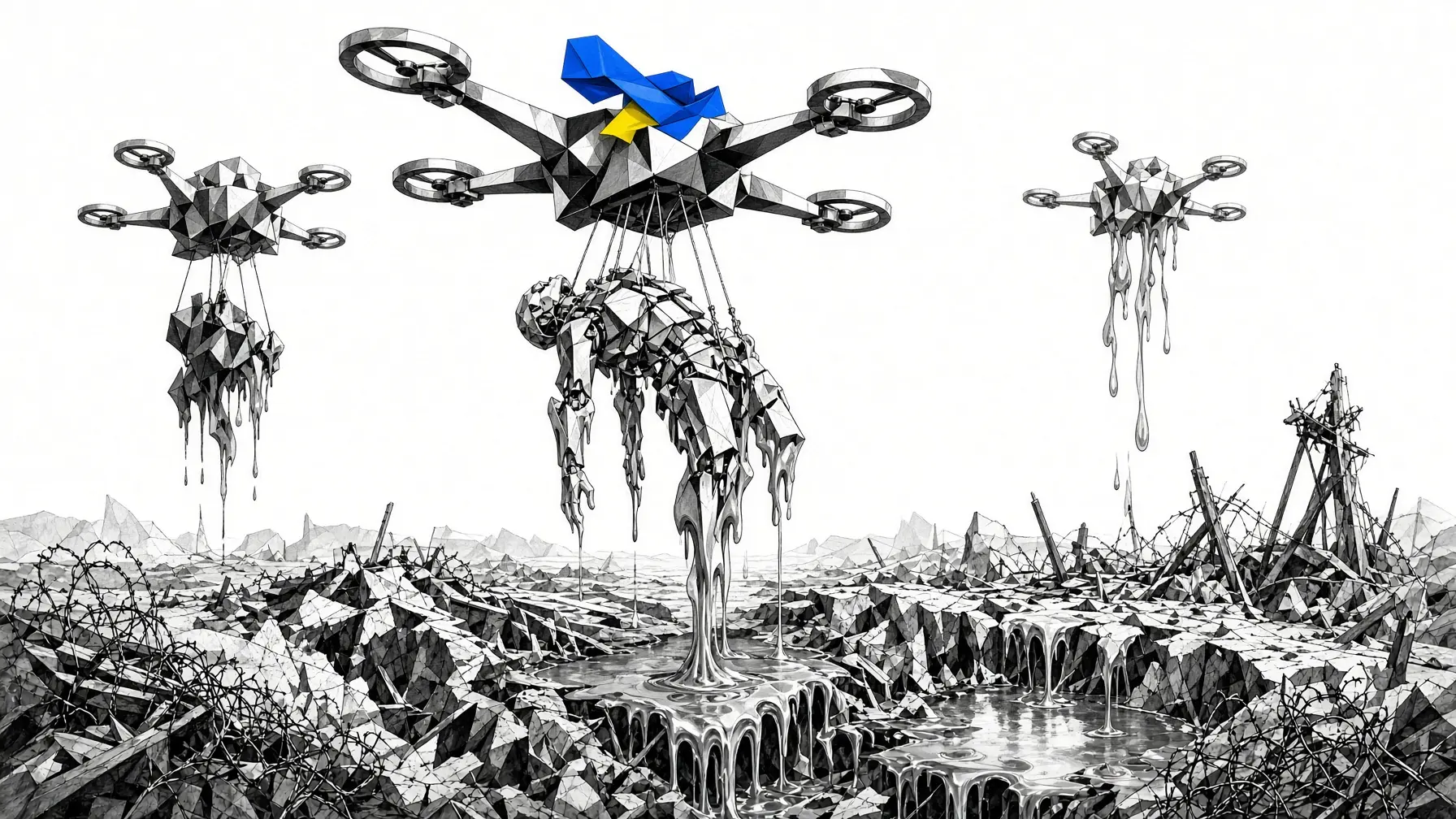
World first: flying drones deliver Ukrainian combat robots behind Russian lines
Ukraine's Third Army Corps announced that during Operation Vivaldi, 125 square kilometers of territory were brought back under Ukrainian control in the Lyman area, in the northern part of Donetsk region. One of the operation's most important innovations was that large flying drones carried explosive-laden ground combat robots more than ten kilometers behind Russian lines.

Artificial intelligence used to detect underground pipe leaks in Buzău
The regional water utility in Buzău County has reduced network water loss using AI-supported noise sensors. The system monitors the sounds and vibrations produced by water escaping from pressurized pipes, then uses the data to identify areas where a hidden pipe break or leak is likely located.
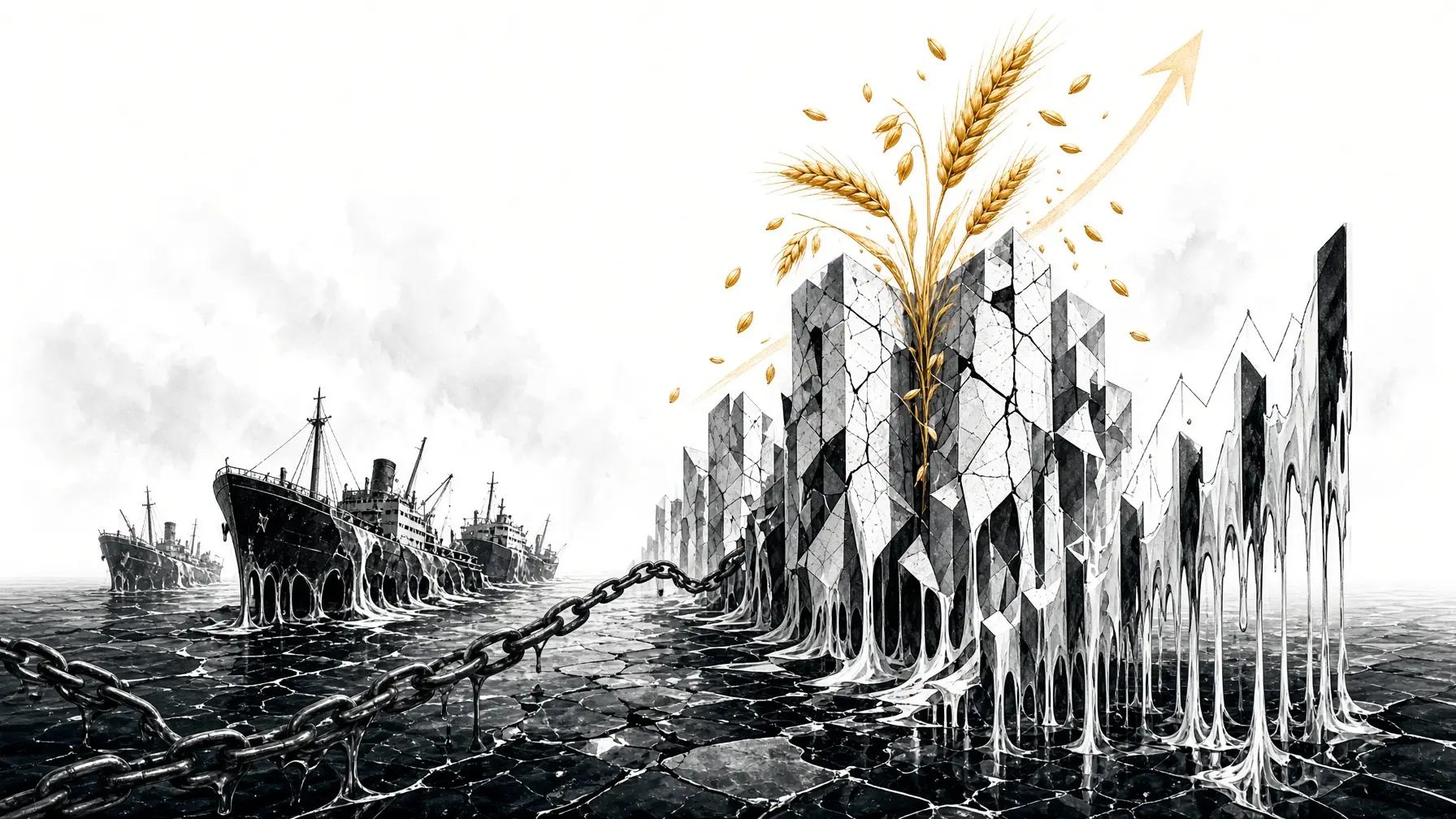
Black Sea grain trade grinds to a halt, wheat prices rising worldwide
The maritime dimension of the Russia–Ukraine war has effectively paralyzed one of the world's most important grain export routes. In recent months, the Russian army has intensified its attacks on Ukrainian ports, grain terminals and transport hubs, while Ukraine has responded by targeting Russian ports, cargo ships and logistics facilities. The result: more than 97 percent of Russian and…
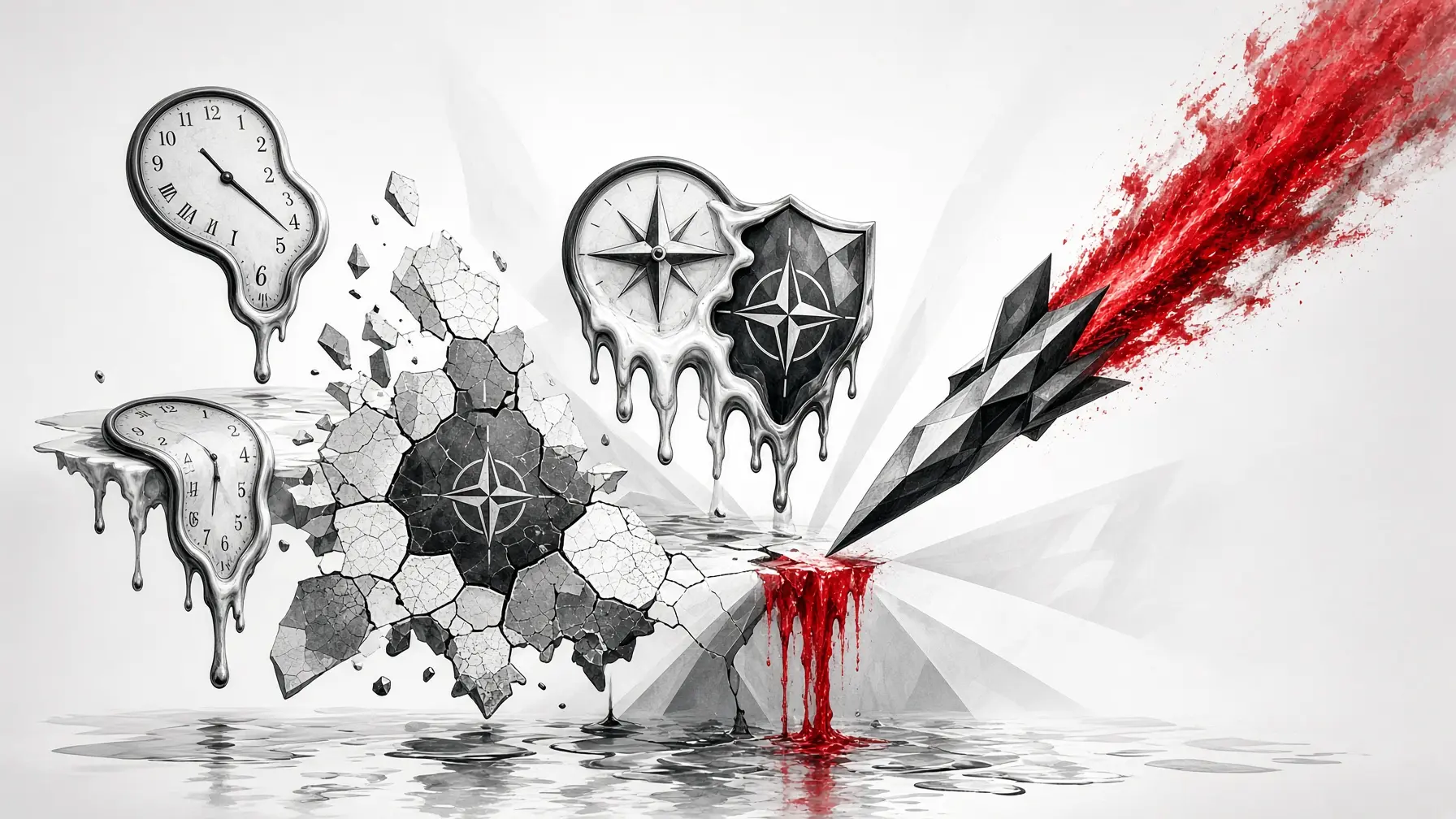
A Russian test attack on NATO could come within months
More and more European intelligence services and political leaders are warning that Russia could extend its military and sabotage operations beyond Ukraine in the coming months. For now, the most likely scenario is not a full-scale invasion of a NATO member state, but a limited attack designed to test the alliance's unity and whether member states are truly willing to invoke Article 5 on…
No matter what other name we give it, we are, in fact, at war!
Information war, cyberwar, hybrid war, shadow war, sub-threshold operation: Europe is finding ever more linguistic ingenuity to describe what Russia is simply waging against it as war. Sylvie Kauffmann, foreign affairs columnist at Le Monde, argues that this verbal magic must end, because as long as the attacks are called "incidents", "provocations" and "hybrid threats", we never even get to the…