No matter what other name we give it, we are, in fact, at war!
Information war, cyberwar, hybrid war, shadow war, sub-threshold operation: Europe is finding ever more linguistic ingenuity to describe what Russia is simply waging against it as war. Sylvie Kauffmann, foreign affairs columnist at Le Monde, argues that this verbal magic must end, because as long as the attacks are called "incidents", "provocations" and "hybrid threats", we never even get to the real question: how do we defend ourselves?
Kauffmann starts from the mid-September warnings of Polish Prime Minister Donald Tusk and French President Emmanuel Macron. On September 17, the anniversary of the 1939 Soviet occupation of Poland, Tusk told the Sejm that serious events could occur in the coming months. He did not predict a conventional Russian invasion but rather drone and missile strikes that Moscow could try to pass off as accidents or navigational errors, making it uncertain what response the attacked NATO member state could give. According to Tusk, the goal of the Russian strategy is to prove that Article 5 of NATO's collective defense is more of a political text than a functioning military guarantee. For this, Russian tanks do not necessarily need to cross the Polish or Baltic border. A drone that "accidentally" crashes, a blown-up railway line, a paralyzed energy grid, or an attack on an airport may be enough to leave allies arguing for days over who was responsible, whether it counts as an attack, and which NATO article should be invoked. A day later, Macron summoned the leaders of all major French parties and potential candidates for the 2027 presidential election to the Élysée Palace. At the meeting, French intelligence assessments on the changing nature of the Russian threat were presented. Most participants found the information convincing, but in the public debate, skepticism, relativization and outright denial appeared almost immediately.
According to Le Monde's analysis, after the failure of his strategy based on a quick conquest of Ukraine, Vladimir Putin did not retreat but escalated. The Russian defense industry and army have been reorganized, and the Kremlin is simultaneously trying to make Ukraine uninhabitable and to erode European states' willingness to provide support. This includes the systematic destruction of Ukrainian transport and energy infrastructure, as well as a wave of sabotage against European railways, airports, weapons factories, communication systems and other critical facilities. Kauffmann calls the August operation against Leipzig Airport, where drones equipped with military explosives were discovered, a turning point. Not only was the action itself a new level of escalation, but so was the fact that the German government this time openly named Russia as responsible. Moscow can continue these operations without consequences as long as Europe investigates each explosion separately, wondering whether it was a fire, a malfunction, a crime, a terrorist act, or some kind of "hybrid incident".
Meanwhile, Eastern and Northern Europe are already seeking practical responses. Lithuania is preparing plans that include evacuating the elderly in case of an attack, while Finland is encouraging its population to assemble survival kits. Much of Western Europe, by contrast, is still arguing over the right terminology, while the Russians set fires, carry out bombings, launch cyberattacks, send drones into NATO airspace and support political movements. Le Monde's conclusion is therefore simple: the war must be called a war, whether it is waged through information, cyber, hybrid or shadow-war tools. The term is not a matter of rhetorical detail.
If we call an attack an accident or an isolated incident, we respond with a police investigation and a diplomatic protest.
If we recognize that it is part of the same organized Russian campaign, then we must already be talking about deterrence, defense and retaliation.
In the winter of 2021–2022, Europe once refused to believe American warnings that Russia would attack Ukraine, and the sanctions prepared in response proved painfully inadequate. Putin is not particularly hiding what he wants now either; denying the danger does not protect peace, but serves precisely the Kremlin's goals.
Op-ed
Did you like this article?
Support our work with a small donation
Secure payment via Stripe • Min. 2 EUR
Gesta recommendations:
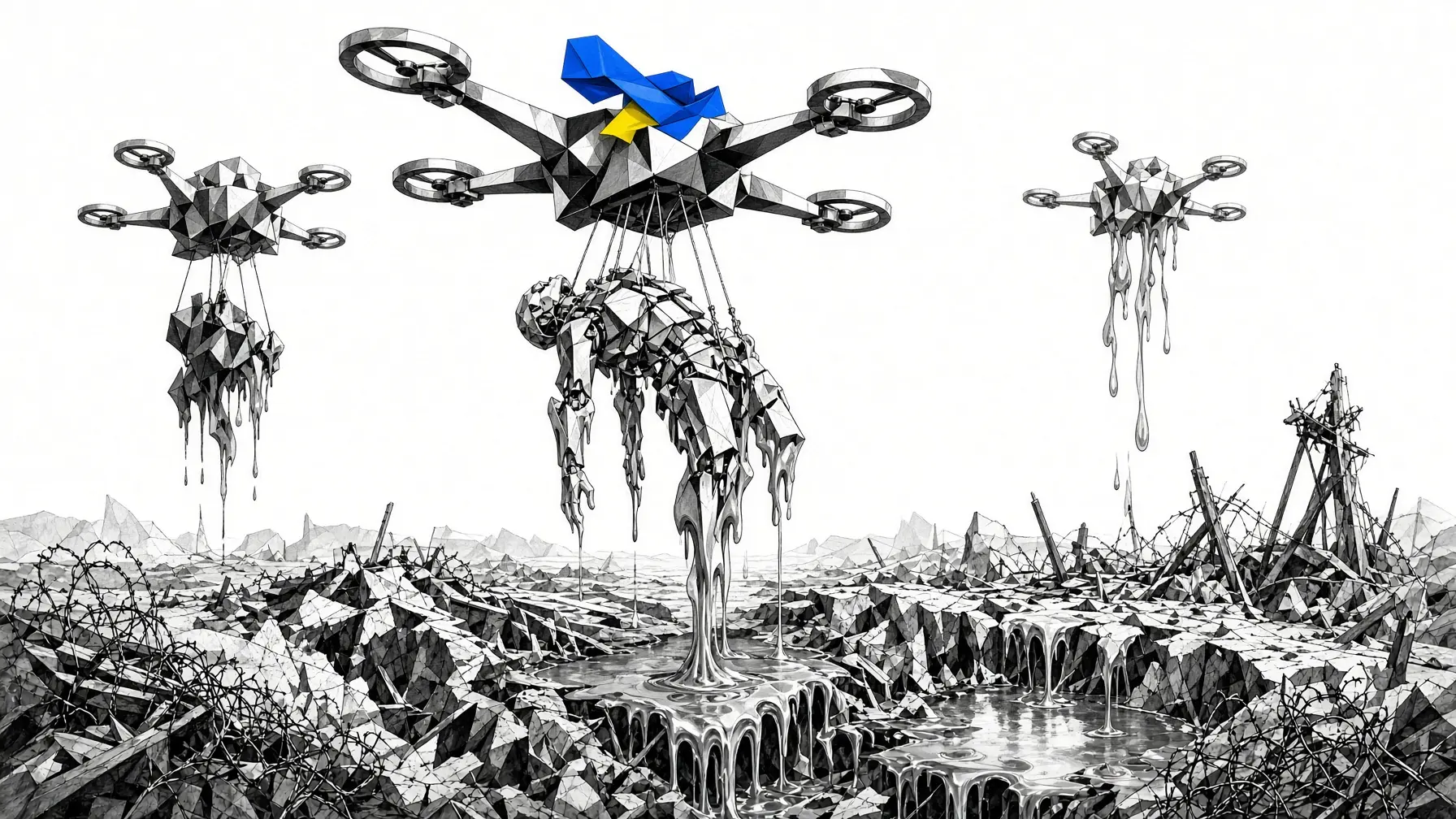
World first: flying drones deliver Ukrainian combat robots behind Russian lines
Ukraine's Third Army Corps announced that during Operation Vivaldi, 125 square kilometers of territory were brought back under Ukrainian control in the Lyman area, in the northern part of Donetsk region. One of the operation's most important innovations was that large flying drones carried explosive-laden ground combat robots more than ten kilometers behind Russian lines.

Artificial intelligence used to detect underground pipe leaks in Buzău
The regional water utility in Buzău County has reduced network water loss using AI-supported noise sensors. The system monitors the sounds and vibrations produced by water escaping from pressurized pipes, then uses the data to identify areas where a hidden pipe break or leak is likely located.
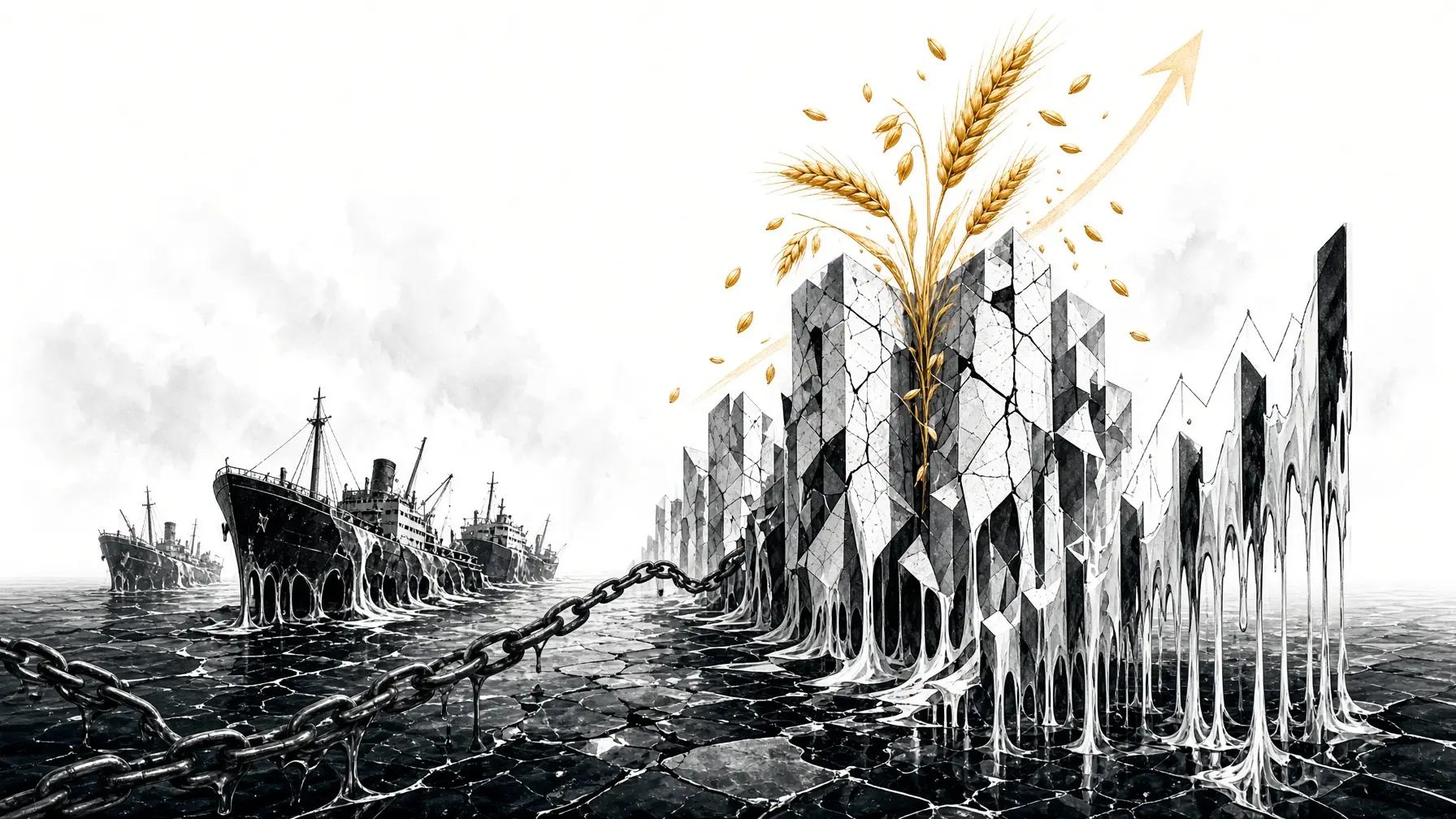
Black Sea grain trade grinds to a halt, wheat prices rising worldwide
The maritime dimension of the Russia–Ukraine war has effectively paralyzed one of the world's most important grain export routes. In recent months, the Russian army has intensified its attacks on Ukrainian ports, grain terminals and transport hubs, while Ukraine has responded by targeting Russian ports, cargo ships and logistics facilities. The result: more than 97 percent of Russian and…
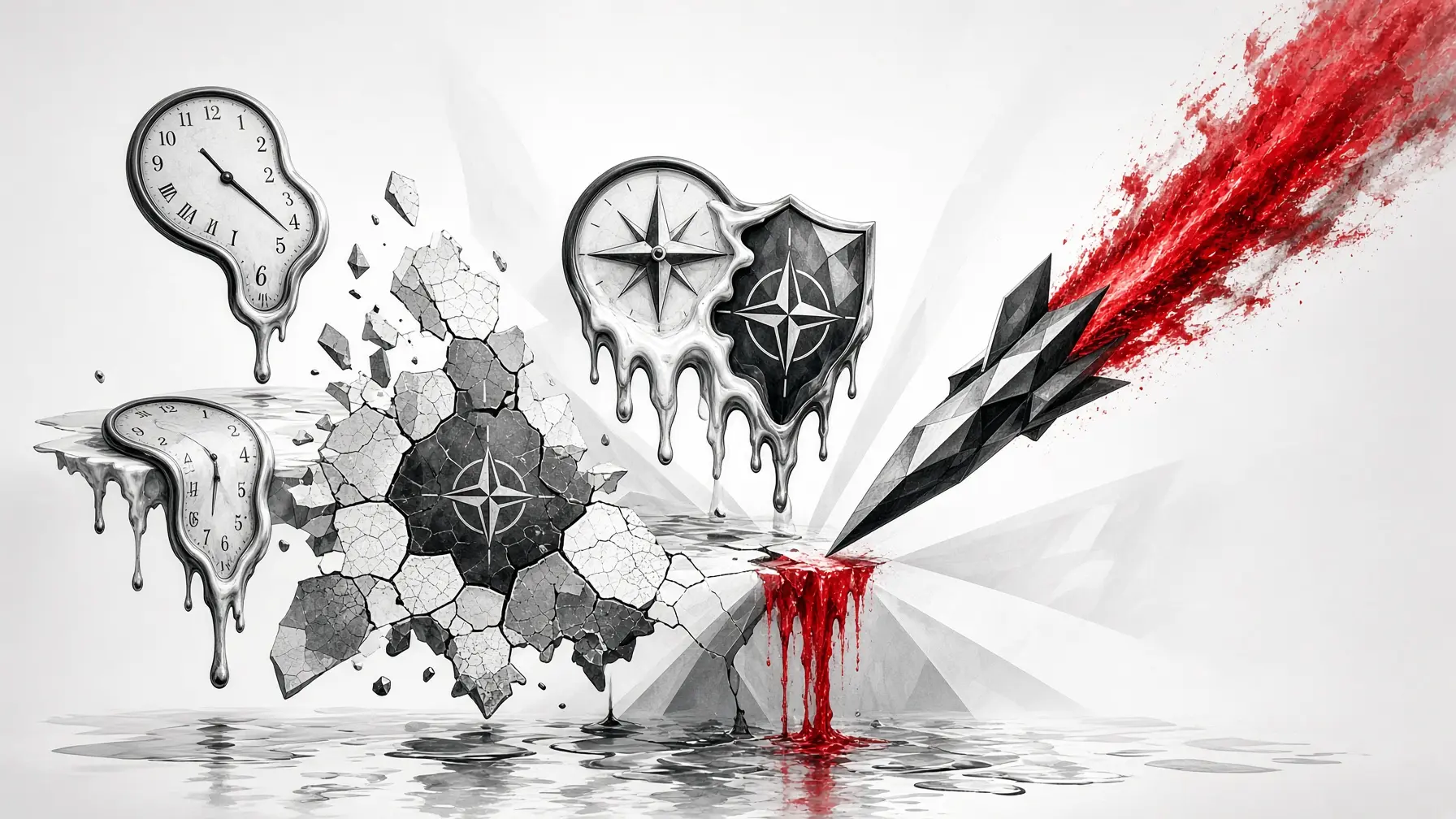
A Russian test attack on NATO could come within months
More and more European intelligence services and political leaders are warning that Russia could extend its military and sabotage operations beyond Ukraine in the coming months. For now, the most likely scenario is not a full-scale invasion of a NATO member state, but a limited attack designed to test the alliance's unity and whether member states are truly willing to invoke Article 5 on…
Finland asks Musk for help: Starlink could be used to hunt down Russian missile launchers attacking Ukraine
Finnish President Alexander Stubb has asked Elon Musk to extend Ukraine's use of the Starlink satellite internet service to Russian territory as well. This would allow the Ukrainian army to use drones controlled via satellite link to attack the mobile Russian missile launchers from which ballistic missiles are fired at Ukrainian cities and energy infrastructure.