Le Pen's NATO trick: she'd stay only until someone declares the war over
Marine Le Pen has reassured Europe: for now, she would not withdraw France from NATO's integrated military command, at least not as long as Russia's war against Ukraine continues. At first hearing, this may sound like a responsible stance, but the wolf has only donned sheep's clothing without turning vegetarian: in the very same sentence, Le Pen confirmed that withdrawal remains her goal—she would merely postpone its timing.
A clarification is needed here: Le Pen would not end France's NATO membership altogether, but would withdraw the country from the alliance's integrated military command structure. France already operated under this special arrangement between 1966 and 2009: it remained a NATO member but did not fully participate in joint military planning and command structures. But what may have looked like French strategic independence in de Gaulle's day would, alongside a Russia that has attacked Ukraine and is besieging Europe with sabotage operations and cyberattacks, now amount to a deliberate weakening of the alliance's military cohesion. Le Pen has now said that "as long as war is raging at Europe's doorstep," the time for such a step has not yet come.
But the sentence leaves out the most important part: who decides, on what conditions and exactly when, that the war has ended? After a ceasefire? After a forced Ukrainian territorial concession? If Russia freezes the front line but does not renounce further attacks? Or would it be enough for a Moscow-friendly politician to simply announce that the Russians have won and everyone should go home? There is already a tested Central-Eastern European model for the latter. In August 2025, while still prime minister, Viktor Orbán declared that "Russia has won the war, and Ukraine has lost it." The war, of course, did not end, the Ukrainians did not lay down their arms, and Russia continued bombing their cities—but for Orbán's political conclusion, neither a peace treaty, nor a ceasefire, nor any particular involvement of reality was necessary.
This is exactly why Le Pen's condition is dangerous. "Until the end of the war" is not a solid security guarantee but a politically freely interpretable escape hatch. If she or one of her allies in Moscow decides to call a ceasefire, a frozen front, or a Ukrainian capitulation "peace," then the condition she herself set would already be fulfilled, and France's withdrawal from NATO's military command could begin. The sheep's clothing has slipped elsewhere too. Le Pen has stated that as president she would end financial support for Ukraine, and she continues to claim that France is not in conflict with Moscow, even though the Kremlin is attacking European states with cyberattacks, sabotage operations, disinformation and political influence campaigns. She would still allow military assistance and training, and is even willing to talk about a peacekeeping mission—but she would pull out of NATO's joint command at whatever moment she deems appropriate.
So this is not a break from Le Pen's previous, Moscow-friendly policy, but a repackaging of it, tailored for elections and made more palatable. The recipe is simple: promise during the campaign not to dismantle French NATO policy while the war is ongoing, then reserve for yourself the right to decide when the war is considered over—and if the Orbán standard becomes the benchmark, not even peace will be required for that.
Opinion
Did you like this article?
Support our work with a small donation
Secure payment via Stripe • Min. 2 EUR
Gesta recommendations:
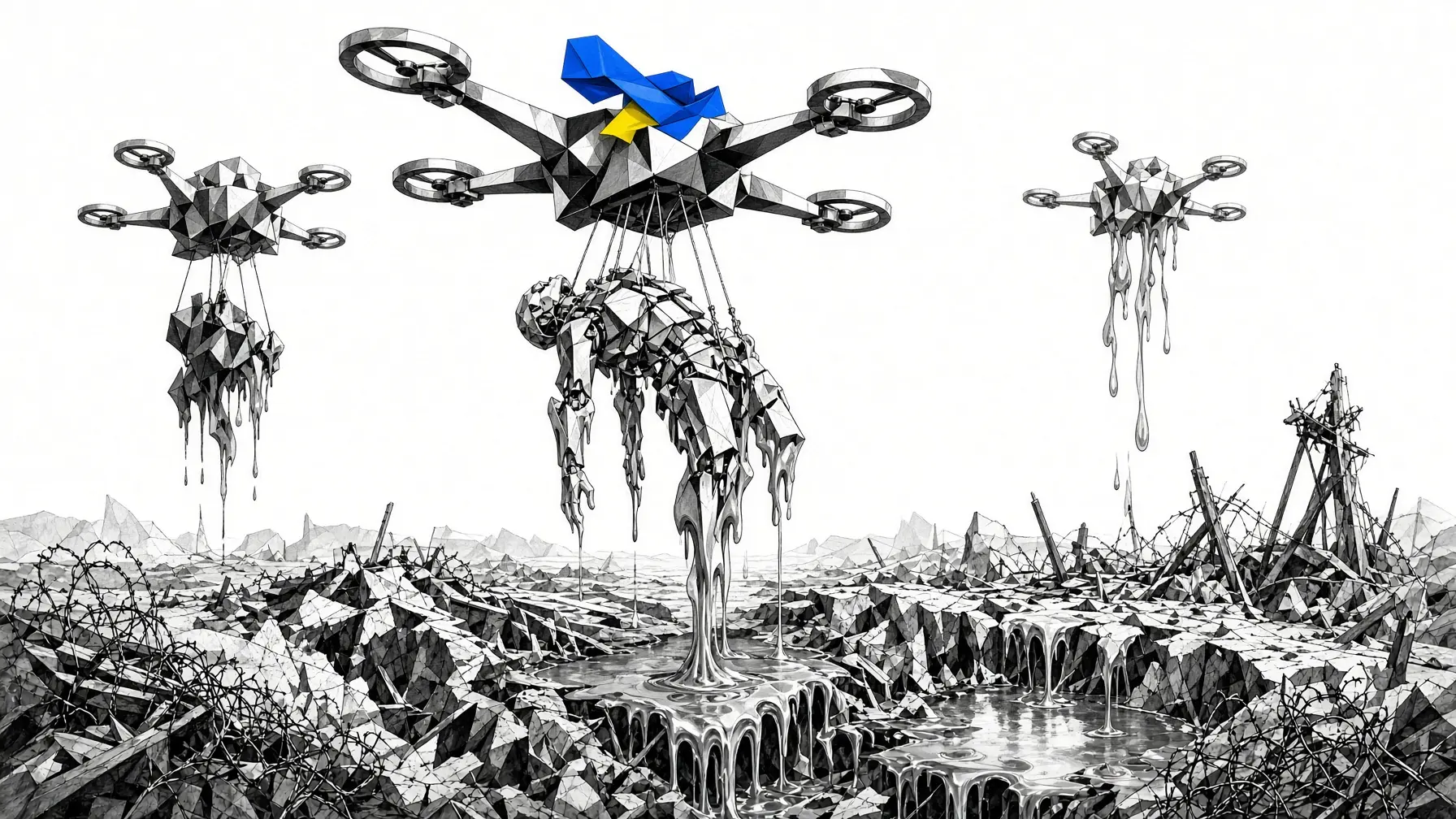
World first: flying drones deliver Ukrainian combat robots behind Russian lines
Ukraine's Third Army Corps announced that during Operation Vivaldi, 125 square kilometers of territory were brought back under Ukrainian control in the Lyman area, in the northern part of Donetsk region. One of the operation's most important innovations was that large flying drones carried explosive-laden ground combat robots more than ten kilometers behind Russian lines.
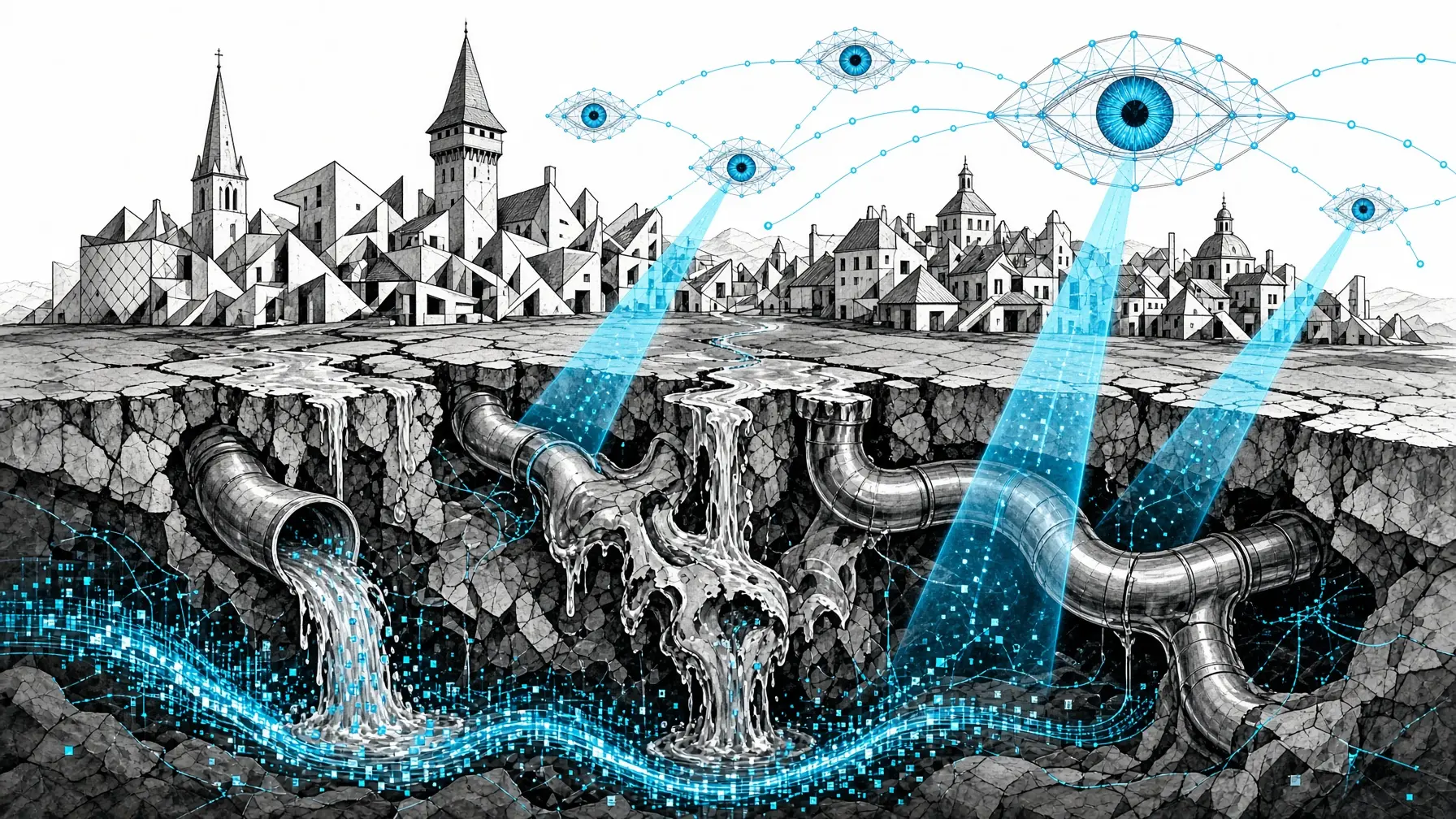
Artificial intelligence used to detect underground pipe leaks in Buzău
The regional water utility in Buzău County has reduced network water loss using AI-supported noise sensors. The system monitors the sounds and vibrations produced by water escaping from pressurized pipes, then uses the data to identify areas where a hidden pipe break or leak is likely located.
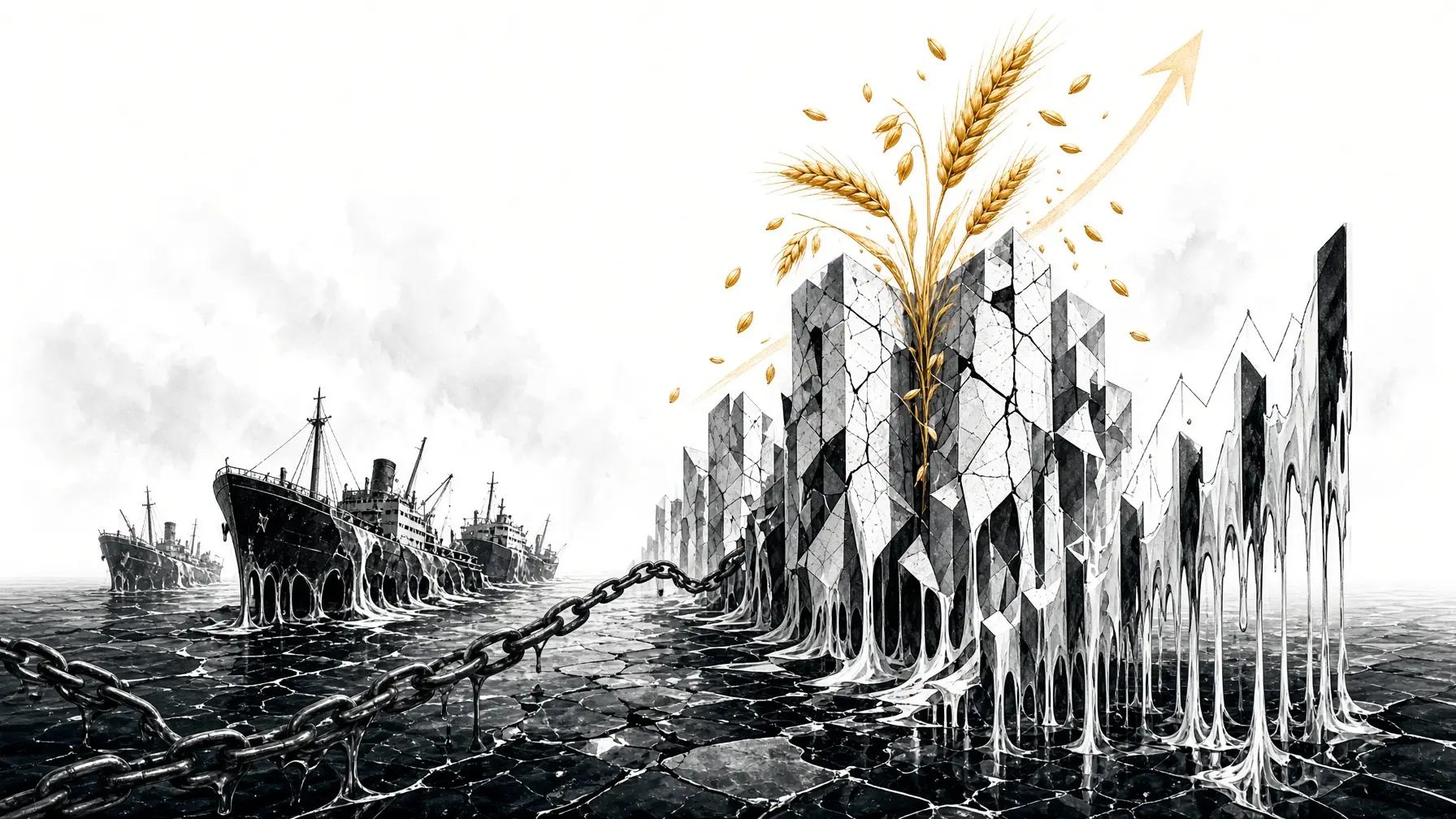
Black Sea grain trade grinds to a halt, wheat prices rising worldwide
The maritime dimension of the Russia–Ukraine war has effectively paralyzed one of the world's most important grain export routes. In recent months, the Russian army has intensified its attacks on Ukrainian ports, grain terminals and transport hubs, while Ukraine has responded by targeting Russian ports, cargo ships and logistics facilities. The result: more than 97 percent of Russian and…
A Russian test attack on NATO could come within months
More and more European intelligence services and political leaders are warning that Russia could extend its military and sabotage operations beyond Ukraine in the coming months. For now, the most likely scenario is not a full-scale invasion of a NATO member state, but a limited attack designed to test the alliance's unity and whether member states are truly willing to invoke Article 5 on…
No matter what other name we give it, we are, in fact, at war!
Information war, cyberwar, hybrid war, shadow war, sub-threshold operation: Europe is finding ever more linguistic ingenuity to describe what Russia is simply waging against it as war. Sylvie Kauffmann, foreign affairs columnist at Le Monde, argues that this verbal magic must end, because as long as the attacks are called "incidents", "provocations" and "hybrid threats", we never even get to the…