Europe's leaders standing by Ukraine try to curb war fatigue in the language of peace
Europe's most important supporters of Ukraine are increasingly talking about negotiations and a diplomatic end to the war, but according to a report in The Wall Street Journal, this is aimed primarily at European voters, not a response to some newly discovered Russian desire for peace. An article by Laurence Norman and Bertrand Benoit, published on October 1, examines how governments are trying to preserve public support for aid to Ukraine at a time when populist parties are gaining strength by portraying military and financial support both as economic self-sabotage and as dangerous involvement in the war. According to European officials quoted by the paper, the emphasis on diplomacy does not stem from a belief that Moscow is finally ready for substantive negotiations, but from the recognition that they cannot let their political opponents claim ownership of the promise of peace - below is a summary of The Wall Street Journal's article.
The shift is already visible in diplomatic contacts as well. German Foreign Minister Johann Wadephul met with Sergei Lavrov in New York last week, the first such meeting between the two countries' foreign ministers since 2022. Over the summer, a senior EU official spoke with Yuri Ushakov, Vladimir Putin's foreign policy adviser, and French President Emmanuel Macron sent his national security adviser to Moscow earlier this year. The authors present these contacts as part of a broader European effort that aims both to demonstrate to domestic audiences that governments are seeking the possibility of peace, and to prevent Europe from being left out of the talks on ending the war.
German Chancellor Friedrich Merz's speech on Thursday captured the new emphasis well: he urged a diplomatic settlement while firmly backing continued military support for Ukraine. His argument was that this very support creates the precondition for serious peace talks, since only a strong and united Europe can bring a reluctant Moscow to the negotiating table. German officials quoted by the paper called the speech a direct response to shifting voter sentiment: in Germany, nearly a third of voters already support parties opposed to further aid for Ukraine. Even in Britain, where support for Ukraine still enjoys broad political consensus, the government's tone has shifted; Prime Minister Andy Burnham stressed last week that, unlike Russia, his government is not seeking confrontation.
Political pressure is also mounting in France. According to polls cited by the WSJ, Marine Le Pen is the clear favorite to win next year's presidential election in a second-round runoff, even though her party opposed the €90 billion EU loan approved for Ukraine this year. Leading figures in her party have also said that if they come to power, they would end further French non-military aid. Le Pen is pushing for a major peace conference to be convened, which fits the shared argument of populist parties: that incumbent European governments are prolonging the war even as the White House is already pushing for negotiations.
In Germany, the far-right AfD scored historic victories in two East German state elections last month, linking its so-called anti-war messaging particularly effectively to economic discontent. In a country grappling with a severe industrial recession, the party accuses the government of sending billions to Ukraine while cutting social benefits and raising taxes at home. The AfD's program, however, goes far beyond cutting aid: it would lift sanctions against Russia, resume purchasing energy from Moscow, and strip Ukrainian refugees of their refugee status. All this is happening at a time when an ever-larger share of the war's financing is falling on Europe. According to the article, the Trump administration has halted most direct American aid, leaving it largely up to Europeans to arm Ukraine and keep its economy functioning. Costs, meanwhile, keep rising as Russia steps up attacks on Ukrainian cities and infrastructure. Populist parties are exploiting the fatigue brought on by a war now in its fifth year with little dramatic battlefield progress, suggesting that continued support merely prolongs a conflict that has become hopeless.
An important nuance in the shift in public opinion is that people have not necessarily given up on an Ukrainian victory. According to a YouGov survey from this spring, the share of people who want Ukraine to win has barely changed since 2023, yet support for a negotiated peace - even one requiring Ukraine to give up territory - has risen significantly in Britain, France, Germany and Italy. In Poland, initially one of Kyiv's staunchest supporters, support for aid to Ukraine has fallen to around 50 percent, which the authors link partly to tensions stemming from historical disputes between the two countries dating back to World War II. In Germany, a survey by the public broadcaster ARD last month found that 42 percent already believe Berlin is sending too many weapons to Ukraine - the highest such share measured since the war began. The AfD's successes are also emboldening skeptics within the governing coalition. The WSJ cites East German circles within Merz's conservative party and pacifist politicians among the Social Democrats as among those who have long harbored reservations about supporting Kyiv. According to Claudia Major, deputy director for transatlantic security at the German Marshall Fund, none of this has yet changed Berlin's firmly pro-Ukraine policy, but it is already shaping the government's messaging. In her view, Wadephul's surprise meeting with Lavrov was aimed primarily at German voters: it sent the message that the government wants peace and is trying diplomacy, but that the Russian side shows no interest.
Merz, meanwhile, also worked a stance against the AfD into his speech. He said Germany would not allow itself to be divided - neither by hybrid attacks, nor by social media agitation stirred up by Moscow-linked bots, nor by the slogans spread by the AfD and, in the chancellor's words, by its Russian handlers. He framed support for Ukraine as being in Germany's own self-interest: by supporting Ukraine, he said, Germany is above all protecting the security of its own population, since freedom and security are the basic preconditions for prosperity. This is how the government is trying to counter the claim that helping Ukrainians comes at Germans' expense. This messaging is paired with a stronger emphasis on the direct threats posed by Russia. In September, the German government publicly held Moscow responsible for sending explosive-laden drones to Leipzig/Halle Airport in August. Last week, Macron invited party leaders to the Élysée Palace to brief them on the deteriorating international situation, including the Russian threat, while Burnham announced in New York the establishment of a new center to counter Russian disinformation. The article presents these steps as part of an effort by European leaders to convey that the consequences of Russian aggression directly affect their own countries as well.
Beyond its domestic political messaging, the diplomatic opening also has a strategic purpose. While Washington continues to seek its own agreement with Moscow, Europeans want to ensure they too have a seat at the negotiating table. This is why the idea has emerged in Brussels of appointing a special envoy for talks with the Russians. Wadephul, for his part, suggested that Putin's invitation to the G20 summit in Miami in November be used as a test of how serious the Russian president really is about a negotiated end to the war. In the end, the authors illustrate the limits of this rapprochement through Russia's reaction. After the meeting, Lavrov spoke mockingly of his German counterpart, claiming that Wadephul merely read out a statement that he could just as well have delivered over the phone. The following day, Russia attacked the building of the prestigious National Academy of Sciences of Ukraine in Kyiv with a drone, near the German embassy. The article closes with a warning from Sławomir Dębski, a former adviser to the Polish government and visiting professor at the College of Europe: if Europeans approach the Russians without any preconditions, and do not even demand a temporary halt to attacks on civilians, Moscow may interpret this as weakness.
Source: Article by Laurence Norman and Bertrand Benoit published in The Wall Street Journal on October 1, on European war fatigue, the rise of parties opposed to supporting Ukraine, and European leaders' diplomatic efforts - the original article is available here.
Tetszett a cikk?
Támogassa a munkánkat egy kis adománnyal
Biztonságos fizetés Stripe-on keresztül • Min. 2 EUR
Gesta-ajánló:

Európa Ukrajna mellett álló vezetői a béke nyelvén próbálják megfékezni a háborús fáradtságot
Európa legfontosabb Ukrajna-támogatói egyre gyakrabban beszélnek tárgyalásokról és a háború diplomáciai lezárásáról, ám a Wall Street Journal beszámolója szerint ez elsősorban az európai választóknak szól, nem valamiféle újonnan felfedezett orosz békeszándékra adott válasz. Laurence Norman és Bertrand Benoit október 1-jén megjelent cikke azt járja körül, hogyan próbálják a kormányok megőrizni az…

Norvégia felkészült a téli gázszállításokra, de nekünk is spórolni kell
Norvégia készen áll arra, hogy a téli csúcsidőszakban is magas szinten tartsa európai gázszállításait – közölte október 1-jén a norvég gázhálózatot üzemeltető Gassco. A vállalat szerint befejezték a tervezett karbantartásokat, a szállítórendszer megfelelően működik, így felkészülten várják a hidegebb hónapokkal együtt növekvő keresletet. A megnyugtatásnak szánt bejelentés különösen időszerű, mert…

Követendő példa számunkra is: a lengyel ügyész vizsgálhatja az alkotmánybírót
Azért egy ilyen vizsgálatot Romániában is meg lehetne ejteni, mert az itteni alkotmánybíróság, hát, finoman szólva sem olyan intézmény, amelynek hallatán az embernek rögtön a politikai érintetlenség és a makulátlan közbizalom jut eszébe. Lengyelországban most azt vizsgálják az ügyészek, hogy az alkotmánybíróság elnöke szabálytalanul válogatta-e össze az egyes ügyekben döntő bírói tanácsokat.
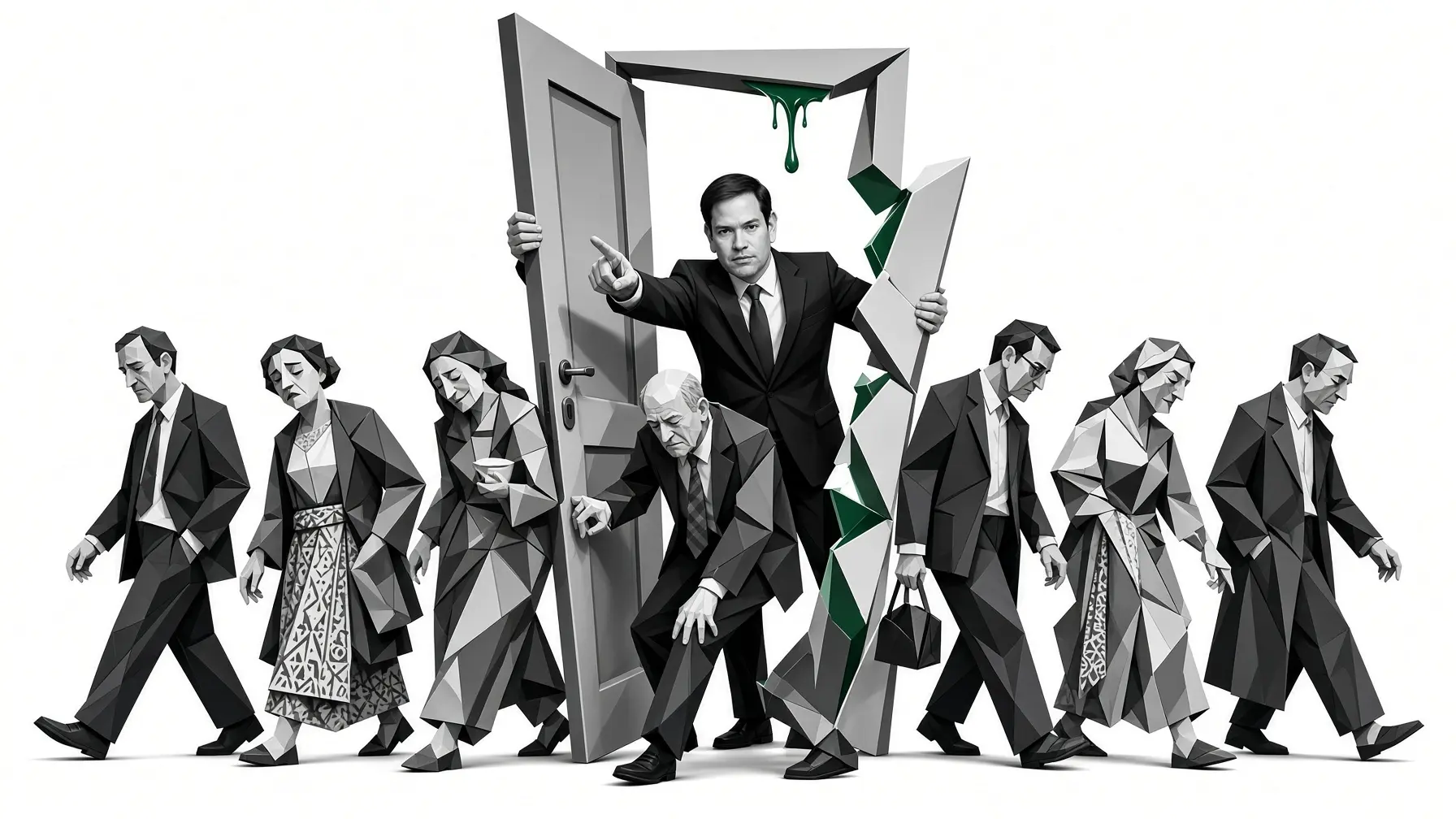
Rubio ajtót mutatott az iráni küldöttségnek, Teherán szerint amúgy is indultak
Marco Rubio amerikai külügyminiszter hétfőn azonnali távozásra szólította fel Abbász Aragcsi iráni külügyminisztert és ENSZ-küldöttségét, miután elakadtak az egyeztetések – közölte az AP két amerikai tisztviselőre hivatkozva. A tárgyalások a Hormuzi-szoros megnyitását, a háború lezárását és az iráni atomprogramot érintették volna, ha a mesének lenne folytatása, de nincs.

Szele Tamás: Egy újjászületés geopolitikája
Szegény XIV. dalai lámának (akivel egyébként két alkalommal személyesen is beszéltem az 1990-es években) az élete se volt könnyű, de a halála még annál is nehezebb lesz. Hát lehet így meghalni, ha nem hagyják az embert? Pláne, ha élő isten?