
The Kremlin wants to erase TV Rain, while Europe is still negotiating with the lie factory
Moscow is demanding that YouTube, TikTok and Telegram silence TV Rain, the television channel operating in exile, since the Russian state finds the free press to be in its way even on foreign platforms, while its own propaganda machine poisons the European public right there on the same platforms. The division of labor is becoming almost perfect: the Kremlin manufactures the lies, the platforms spread them, and Europe anxiously studies the consequences.
Roskomnadzor has written another letter. The Russian censorship agency, which official parlance calls a media regulator, now wants YouTube, TikTok and Telegram to block TV Rain's channels. According to Meduza, the notices were sent both to the platforms' complaint-handling services and to the newsroom itself; the demand comes from the Ministry of Justice, with the stated reason being a violation of the law on "foreign agents." Besides the main accounts, the YouTube projects Drama Queens and TV Rain. Istorii were also added to the list. So Moscow is not content with silencing journalists at home: it is also contacting the customer service departments of foreign providers, hoping they will finish off what its own bans failed to achieve.
The persecution of TV Rain is an old story: the channel was branded a "foreign agent" in August 2021, its website was blocked in March 2022, immediately after the full-scale invasion of Ukraine, and after a forced hiatus of several months, it relaunched from Europe in July. The story's peculiar charm lies in the fact that Moscow is asking for help with censorship from a provider whose access it itself systematically obstructs. According to the Russian edition of The Moscow Times, after YouTube's slowdown, which began in July 2024, by February 10, 2026 Roskomnadzor had also resorted to blocking through the national domain name system: the controlled DNS servers failed to properly return the addresses needed to access youtube.com. Experts who spoke to the outlet said this can be circumvented with a VPN or, in some cases, by using a different DNS, and Mediascope's January data showed that despite the restrictions, 65.9 million Russians still used YouTube every month, 22 million of them daily.
This audience bothers the Kremlin. It is pointless to put up a fence if people find the gap and keep accessing what those in power want to hide from them. Removing TV Rain's channels at the platform level would eliminate the source itself, so the Russian state is now counting on the cooperation of those it otherwise likes to denounce as agents of the West's corrupt technological empire — because sovereignty may be sacred, but it would still be nice if customer service in California helped maintain the dictatorship, and after all, even Seszták didn't keep his fortune in rubles.
The legal groundwork for the pressure Russia places on tech companies has long been in place. The law passed in 2021, often referred to as the "landing law," required major foreign internet companies to maintain a local presence, threatening those who refused with advertising and payment restrictions as well as partial or full blocking — a local office, moreover, means local employees, who are easier to reach than a distant board of directors. Human Rights Watch also recalled that in September 2021, Apple and Google removed Navalny's election app from Russian app stores at the demand of Russian authorities, and that in March 2022 TikTok suspended new content uploads and live broadcasts in Russia, citing the Russian "fake news law" and security risks.
In Europe, meanwhile, the battle is running in the opposite direction. In March 2022, the EU suspended the distribution of RT and Sputnik programming within the Union, and later extended the restrictions to other Russian propaganda outlets as well. The goal was clear: to prevent the European public sphere from being used unhindered to justify the aggression against Ukraine and to destabilize European societies — except the propaganda apparatus did not disappear simply because its nameplate was taken down. The Doppelgänger operation, for instance, spread Russian narratives on sites copying the look of well-known publications, including Le Monde and Der Spiegel, and a 2024 investigation by CORRECTIV and Qurium, which examines digital infrastructure, also showed that the network's operation relied on services from European companies, including German ones. In other words, while Europe tried to use sanctions to block propaganda's path, European providers were also helping maintain that very path, so that the poor Russians wouldn't have to bring every piece of equipment for their lie factory from home.
The Storm-1516 network works with an even more varied toolkit: it uses fake news sites, staged videos, manipulated footage and coordinated distribution accounts. In April, researchers at Clemson University presented its operation targeting the 2026 Hungarian election, which sought to discredit Péter Magyar and Tisza, in a separate report; it also revealed abuse of Euronews's own name: a fake page and video, using the newsroom's visual identity, attributed to Magyar statements insulting Trump. Here, a ready-made news program, a newspaper and an apparent audience are manufactured around the lie, so that by the time a reader encounters it, it feels as if everyone were already talking about it. Ahead of the American midterm elections, NewsGuard likewise warned of Russian influence operations, including fake content targeting Democratic candidates. Their investigation into how X functions issued a particularly flattering report card for the platform's community-based fact-checking: of 189 posts containing false election claims examined on October 19, 176 still had no corrective note attached the next day — 93.1 percent of the sample examined — and Elon Musk's own account spread four such false claims, none of which carried a correction either. So the self-regulation celebrated by the owner conveniently failed to materialize even for his own claims.
Brussels's response cannot be dismissed as doing nothing, but its pace and consistency give plenty of reason for criticism. The European Commission opened proceedings against X in December 2023 and on December 5, 2025 imposed a €120 million fine on it over misleading blue checkmarks, an opaque advertising database, and obstruction of researchers' access to data, but did not close the case on all the objections concerning its handling of disinformation. These transparency shortcomings, moreover, are precisely what make it difficult to find out who is paying for a campaign and how manipulation reaches the public. In July 2026, the Commission accepted X's action plan to improve advertising transparency and researcher access, giving it six months to implement it. It did so even though the European Board for Digital Services, which brings together the member states' regulators, had deemed the proposed oversight measures — and with them the whole plan — insufficient; the Commission cited the need for further clarifications, an external audit and close monitoring. By the time all this works its way through the institutional machinery, an election campaign could long since be over, and the fake videos could have already done their job.
Rule-of-law safeguards are, of course, not superfluous formalities, and Europe does not need its own Roskomnadzor. What it needs all the more, though, is to enforce the rules it already has, dismantle the financial and technical infrastructure behind manipulation, and demand verifiable performance from the platforms instead of yet more promises. Protecting the European public sphere also means ensuring that newsrooms driven out of Russia can reach their readers and viewers. The Kremlin understands perfectly well why a handful of freely working journalists are dangerous to it; it is time Europe took their work just as seriously.
The demand against TV Rain shows clearly what kind of internet Moscow wants: one where its own lies reach everywhere, while the truth about it reaches nowhere, if possible. To this end, it keeps a censor at home, invokes platform policies abroad, and in Europe can count on the useful idiots who believe that the next report, round of negotiations or action plan will solve the problem. Meanwhile, the Kremlin keeps working. It would be reassuring if, for once, we did more than simply document just how hard it is working.
Ugar
Did you like this article?
Support our work with a small donation
Secure payment via Stripe • Min. 2 EUR
Gesta recommendations:

Cognitive Frontline, Part I/1: From the Protocols of the Elders of Zion to Today's Russian Propaganda, or the Lie That Outlived Its Own Exposure
A Russian forgery from the early twentieth century made its way across the Western world. Respected newspapers, influential businessmen and political movements lent it their names, and it kept spreading even after it had been exposed. The story of the Protocols of the Elders of Zion reveals how easily a society's existing fears can be turned into a worldview that, over time, comes to explain…
Musk Is Warned: Trump Will Leave, But the Documents Should Stay!
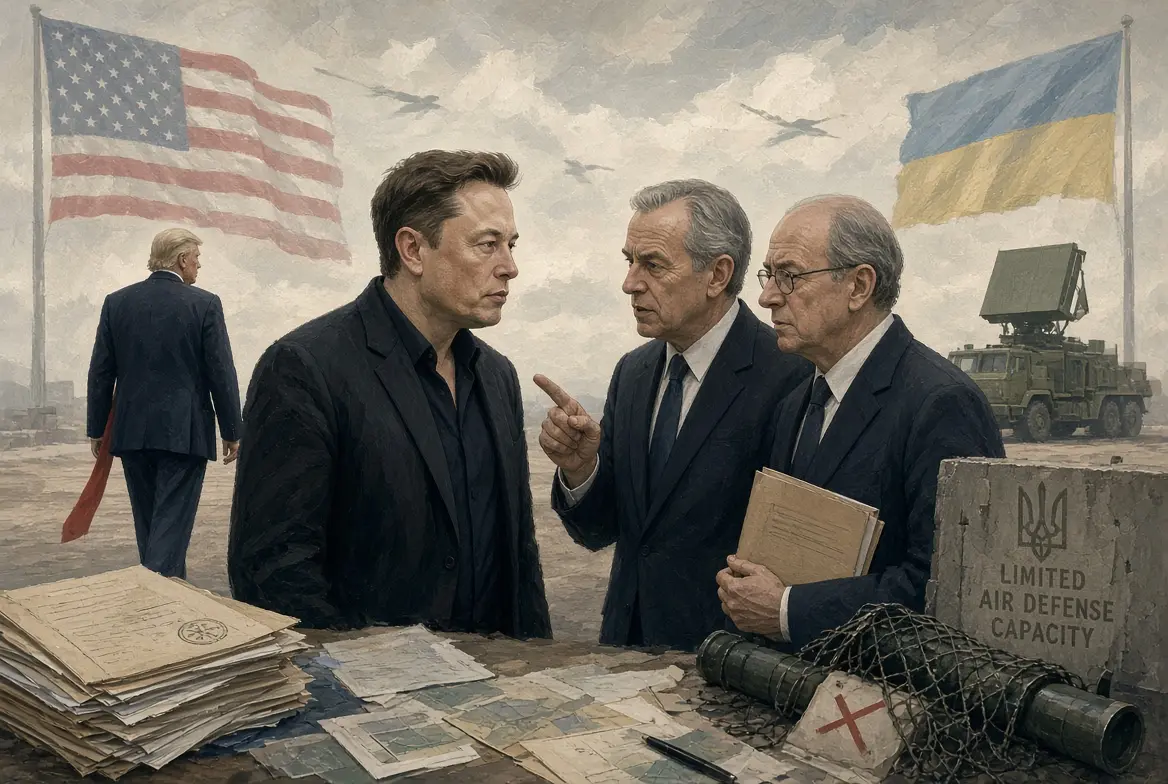
In a post-Trump era, which much of the world is awaiting with growing impatience, it may still matter who restricted Ukraine's satellite communications, why, and on whose orders, at a time when the country was under Russian air attacks. Political power has an expiration date, but electronic correspondence can have a backup copy. Two Democratic senators are now trying to make sure that by the time…

Two Months After Taking Command, Hamas Leader May Already Get to Check the Promises of Paradise
If the promises of seventy-two virgins can be redeemed, Samir Abu Younis may now have the chance to check the quality of service. The commander of Hamas's Rafah brigade was killed by an Israeli airstrike in the early hours of November 15 in the southern Gaza Strip; his death was confirmed by the Israeli military, the Shin Bet, and Hamas itself. No statement has been issued yet about the details…

Ships burn in Romanian territorial waters, while deterrence is being prepared for the next meeting
Just the usual: drones slam into commercial ships at the mouth of the Danube, the crews put out the fires, Romania scrambles fighter jets, then announces that it will raise the matter at the next meeting in Brussels. This time three ships provided the set for yet another performance of the security-policy operetta titled “Now Something Really Should Be Done.” The sailors working on the decks…
Putin's war against America: when politicians of the attacked country work for the aggressor
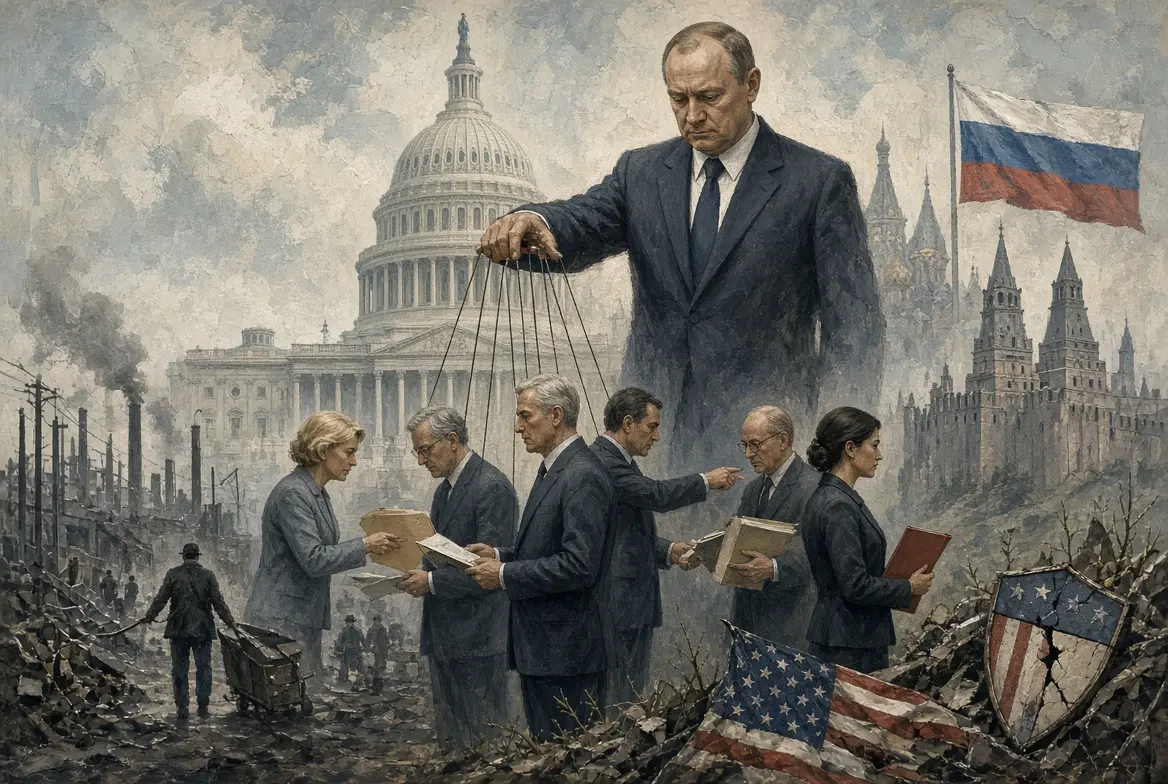
Russia did not need to invent the divisions within American society: it was enough to recognize them, deepen them, and then support political actors who, for their own interests, further erode the authority of democratic institutions. Reviewing David Corn's new book, historian Laurence Saint-Gilles argues that the Russian affairs surrounding Trump are interconnected episodes of a decade-long…