
Killer service: the Russkies are planning a wave of assassinations
Five European intelligence services have warned the leaders of European defense companies that Russia is stepping up assassination attempts against them, G4Media reported on October 11, citing the Financial Times. The companies are therefore reinforcing their executives' personal security, and in some cases are also relocating production facilities. According to the paper's sources, the Kremlin ordered the expansion of European sabotage and hybrid operations because the Ukrainian front has frozen and the Russian economy is in increasingly serious trouble. In the coming months, Moscow wants to deal a decisive blow to Western support for Ukraine, and in this plan, assassinations of European civilians — which were previously taboo even in the eyes of the Russian services — are playing an increasingly large role.
The targets include not only the CEOs of major arms manufacturers but also the heads of smaller companies, particularly those producing drones or drone components. According to a senior European intelligence official, the level of threat in Europe has risen with respect to both property and people. Sinan Selen, head of Germany's domestic security agency, the BfV, told the Bundestag on Monday that Russia, through state or state-directed actors, is deliberately planning acts of violence against specific individuals, increasingly making use of organized criminal groups in the process. According to the paper, the BfV has significantly intensified contact with the leaders and staff of German defense companies, and in some cases has recommended the use of private bodyguard teams.
The assassinations — referred to as "wet work" in Russian service jargon — are carried out mainly by the GRU, Russia's military intelligence agency, which, according to intelligence sources, has also changed its methods. Instead of disposable agents recruited for money online, it now cooperates more closely with organized crime, uses cross-border agent networks, and splits reconnaissance, logistics, planning and execution among separate cells or individuals. Some operations in preparation have already been uncovered and thwarted, while in other cases suspicious surveillance has been detected aimed at mapping the home and work routines of targeted individuals. In August, two young Russian tourists were detained in Sweden for pitching a tent near the estate of Saab's CEO, Micael Johansson, but were released shortly afterward. According to one official, the actions of Russian agents are often still amateurish and easy to foil, but this in itself is a problem, since it forces the services to treat virtually anyone as a potential threat. Security officials say the point of the campaign is precisely that the assassinations don't even need to be carried out to achieve their aim. As one of them put it, Moscow's main goal is psychological: it is enough for people to feel they could become targets, making them think twice about doing business with Ukraine. According to Claudine Fry, a London-based partner at Control Risks, the risk of assassination has moved much higher up the list of corporate concerns, and players in the defense industry warn that the cost of stepped-up protection could become a serious burden, especially for young startups.
European defense industry leaders have been on heightened alert since early 2024, when American and German intelligence services uncovered a Russian plot to assassinate Rheinmetall CEO Armin Papperger. According to intelligence sources, this was prepared for a single high-profile target, and Papperger, an outspoken advocate of arming Ukraine, was a particularly obvious one. Today the German executive lives under round-the-clock personal protection provided by private security personnel and police officers. This is not without precedent: Bulgarian arms dealer Emilian Gebrev, whose company also supplies Ukraine, was previously the target of a poisoning attack that investigations linked to Russian military intelligence.
The FT article appeared the same weekend that Donald Trump eased sanctions on Moscow in exchange for Russian diesel. Putin's regime is thus offering fuel to Washington with one hand while sending hitmen after the Europeans who manufacture weapons for Ukraine with the other, and Western policy has so far chosen the offer.
Ugar
Did you like this article?
Support our work with a small donation
Secure payment via Stripe • Min. 2 EUR
Gesta recommendations:
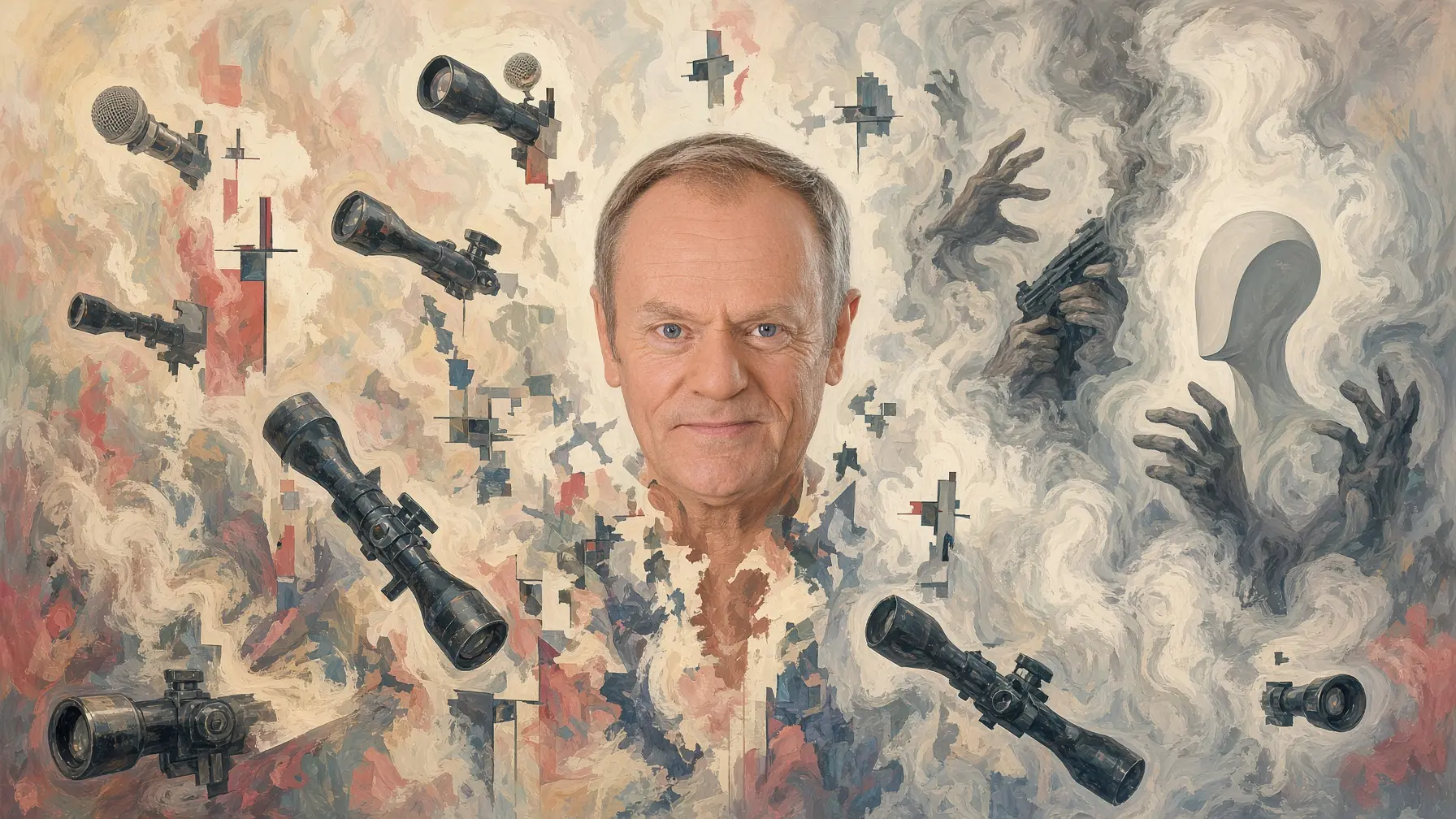
The situation in the East is escalating: an assassination attempt was being prepared against Tusk
Poland's security services were summoned to an emergency meeting on Sunday morning after police received information about a possible assassination plot that could target Prime Minister Donald Tusk and Defense Minister Władysław Kosiniak-Kamysz. The announcement was made on social media by Karolina Gałecka, spokeswoman for the Ministry of Interior, and according to a report by TVP World and…

Investigation launched against Trump's ambassador to Athens, Kimberly Guilfoyle
The U.S. State Department's Office of the Inspector General has opened an internal investigation into Ambassador to Athens Kimberly Guilfoyle and the embassy she leads, triggered by Eric Deters, a longtime supporter and donor of Donald Trump. Deters claims that in 2025, just days before her Senate confirmation hearing, Guilfoyle asked him to pay off her overdue $100,000 American Express bill,…
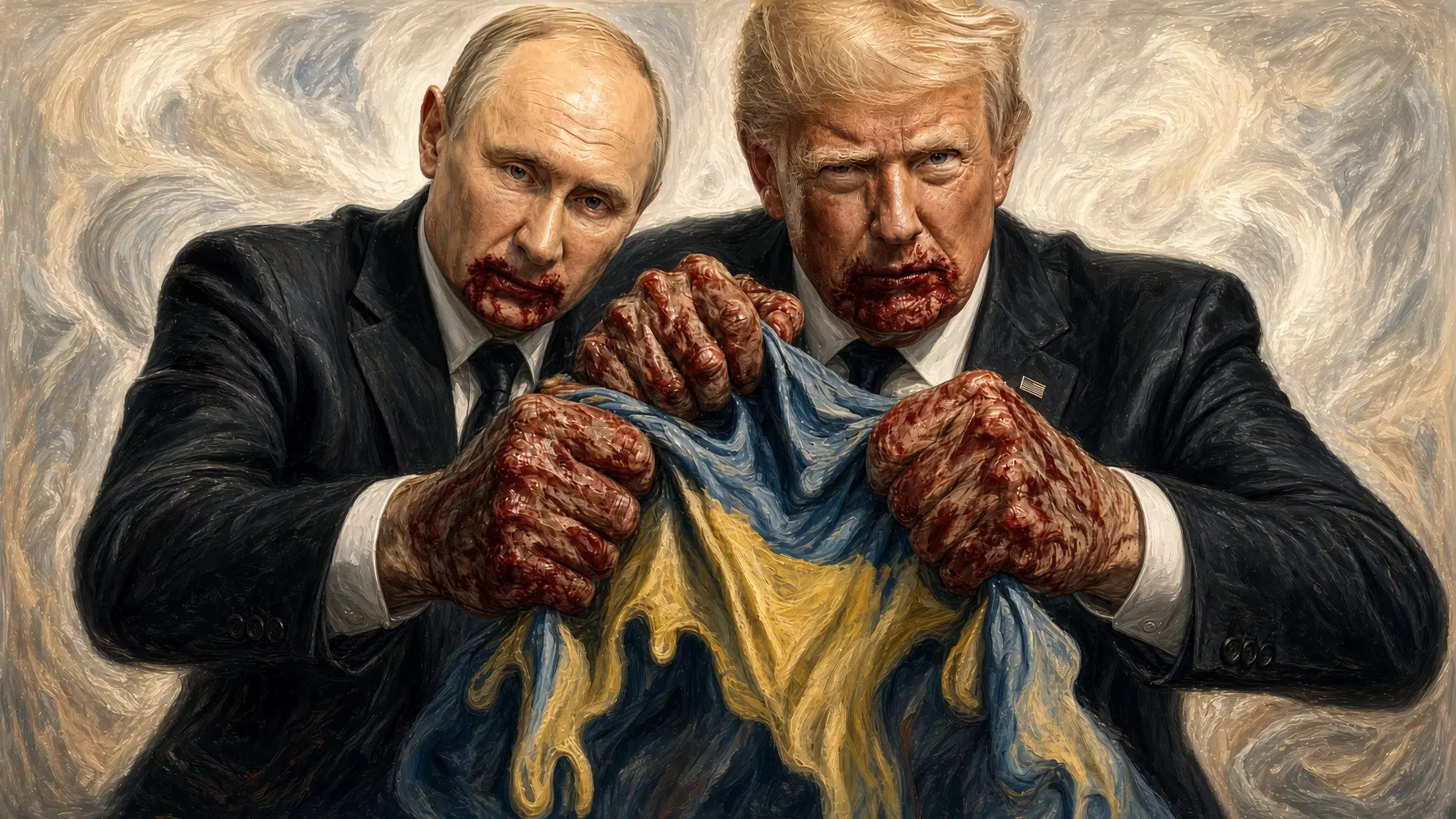
Trump on Hitler's path: a gift of sanctions relief for Putin
On Friday evening, October 9, Donald Trump announced that the United States will buy Russian diesel and that the world market will also open up to Russian fuel. The president, who thanks to God's peculiar sense of humor is once again commander-in-chief of the world's strongest army, described his hour-and-a-half phone call with Vladimir Putin, with his usual modesty, as extremely successful. Yuri…

Moscow's bargain: lifting sanctions in exchange for an energy ceasefire
Russia would tie an energy ceasefire with Ukraine to the easing of American sanctions, and would also link the agreement to a deal on Black Sea shipping, the Kyiv Independent reported on October 9, citing American and Ukrainian officials. According to a report by Tim Zadorozhnyi and Jimmy Rushton, Russian presidential envoy Kirill Dmitriev discussed halting attacks on energy infrastructure with…

Ukraine's energy grid, damaged in Russian attacks, is being repaired around the clock
Russian attacks have caused significant damage to Ukraine's electricity grid and power transmission facilities, and restoration work is underway around the clock, Volodymyr Zelensky said on October 9, following talks with military and government officials. The president thanked the repair crews, energy companies and regional authorities for quickly organizing the work, while noting that the…