
Ukrainian soldier rescued by drone, airlifted from the battlefield
Yevhen had been lying on the front line for two days with a leg wound from a mine, and had almost given up hope of getting out alive, when one of his comrades told him he would be rescued by drone. “I said to him: are you joking? Are you just trying to cheer me up?” he later recalled to an AFP correspondent at a hospital in Ukraine. In the end, help really did arrive from the air: he was among the first to be rescued by the Ukrainian company Skyfall's rescue drone called Stargate, developed specifically to transport the wounded — according to the French news agency's report, which was covered by HotNews on November 15.
In the nearly five years since the start of the Russian invasion, a drone-dominated "death zone" dozens of kilometers deep has formed along the front line, where even the slightest movement can draw the enemy's attention, and a rescue team heading out for a wounded soldier can easily become a target itself. That is why the Ukrainian army also uses ground robotic vehicles to evacuate soldiers, but according to Skyfall's spokesperson, these move slowly, at most ten kilometers per hour, struggle to cross rivers and minefields, and are also easy targets. A single rescue can therefore take hours, while the wounded soldier has no time to wait.
The idea for the aerial rescue device came directly from the front line: the commander of the CODE 9.2 unit approached Skyfall's founder saying they needed a drone that could transport the wounded through the air. “A year later, we had the Stargate,” Skyfall's spokesperson, who asked to remain anonymous, told AFP, adding that the development was driven primarily by battlefield necessity. The carbon-fiber aircraft are built in a secret hangar resembling a laboratory. According to the manufacturer, the four-hundred-kilogram drone can reach speeds of up to 105 kilometers per hour and can carry a load of up to 150 kilograms over a distance of thirty kilometers; it costs around 44,560 euros. Skyfall plans to increase production to a thousand units a month by the end of 2026, and Ukraine's defense ministry announced in late October that it is working on introducing the technology.
On the evening of his rescue, Yevhen was called by his company commander and asked whether he was ready to fly. Footage from the drone's camera shows the soldier clutching his weapon to his chest as he positions himself on the covered stretcher mounted in the aircraft's pod. The operation had to be interrupted several times even before takeoff, because the pilot detected Russian drones loaded with explosives nearby; eventually the Stargate took off and flew at an altitude of about one hundred meters, at a speed of a hundred kilometers per hour. Russian electronic jamming briefly severed the connection between the pilot and the rescue drone, but according to AFP's report, the aircraft's artificial-intelligence-based system took over control until the connection was restored. Along the way, Yevhen saw supply and reconnaissance drones flying past him. He was scared, he said, but he had no other choice. His rescue took about fifteen minutes in total.
The aircraft was flown by a pilot with the call sign “KVN,” who on other missions transports supplies or bombs to the front, but on his first rescue flight every move carried an entirely different weight. “The moment we picked him up, everyone fell silent. It was quiet, like a library. This time there was a person on board,” he recounted.
According to an officer of an assault brigade who spoke to AFP, more missions will be needed before the usefulness of the rescue drone can be properly assessed, but the results so far are promising. For KVN, the point of the development is that these devices allow soldiers to return to their families who otherwise could not be reached. For Yevhen, this possibility meant a fifteen-minute flight, after two days during which he had already believed there was no way out for him.
Ugar
Did you like this article?
Support our work with a small donation
Secure payment via Stripe • Min. 2 EUR
Gesta recommendations:

Cognitive Frontline, Part I/1: From the Protocols of the Elders of Zion to Today's Russian Propaganda, or the Lie That Outlived Its Own Exposure
A Russian forgery from the early twentieth century made its way across the Western world. Respected newspapers, influential businessmen and political movements lent it their names, and it kept spreading even after it had been exposed. The story of the Protocols of the Elders of Zion reveals how easily a society's existing fears can be turned into a worldview that, over time, comes to explain…
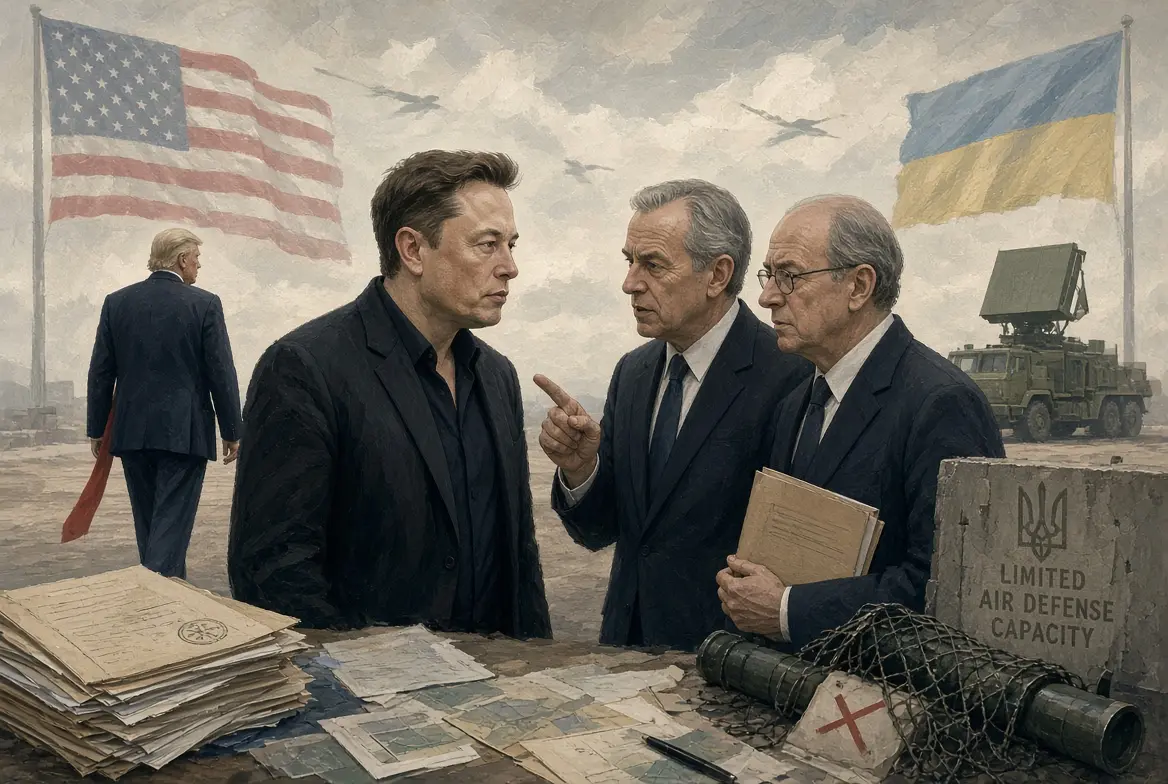
Musk Is Warned: Trump Will Leave, But the Documents Should Stay!
In a post-Trump era, which much of the world is awaiting with growing impatience, it may still matter who restricted Ukraine's satellite communications, why, and on whose orders, at a time when the country was under Russian air attacks. Political power has an expiration date, but electronic correspondence can have a backup copy. Two Democratic senators are now trying to make sure that by the time…

Two Months After Taking Command, Hamas Leader May Already Get to Check the Promises of Paradise
If the promises of seventy-two virgins can be redeemed, Samir Abu Younis may now have the chance to check the quality of service. The commander of Hamas's Rafah brigade was killed by an Israeli airstrike in the early hours of November 15 in the southern Gaza Strip; his death was confirmed by the Israeli military, the Shin Bet, and Hamas itself. No statement has been issued yet about the details…
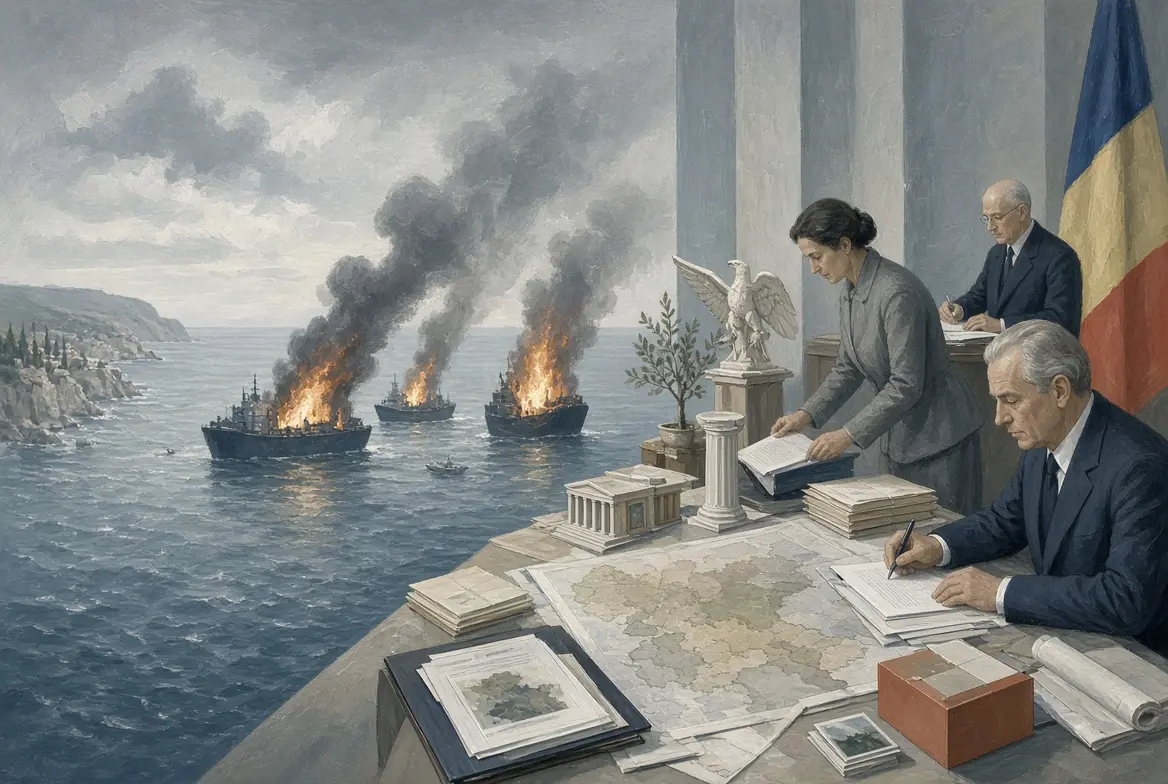
Ships burn in Romanian territorial waters, while deterrence is being prepared for the next meeting
Just the usual: drones slam into commercial ships at the mouth of the Danube, the crews put out the fires, Romania scrambles fighter jets, then announces that it will raise the matter at the next meeting in Brussels. This time three ships provided the set for yet another performance of the security-policy operetta titled “Now Something Really Should Be Done.” The sailors working on the decks…

Putin's war against America: when politicians of the attacked country work for the aggressor
Russia did not need to invent the divisions within American society: it was enough to recognize them, deepen them, and then support political actors who, for their own interests, further erode the authority of democratic institutions. Reviewing David Corn's new book, historian Laurence Saint-Gilles argues that the Russian affairs surrounding Trump are interconnected episodes of a decade-long…