Washington states: Europe ranks only fourth in the United States' order of strategic priorities
The United States considers the defense of its own territory, the Western Hemisphere and the Indo-Pacific region more important than Europe, US NATO Ambassador Matthew Whitaker stated. According to the diplomat, this does not mean abandoning Europe, but Washington expects its European allies to take on a greater share of defending their own continent.
Whitaker took part, together with NATO Secretary General Mark Rutte, in a discussion on the future of the transatlantic alliance held in the US state of Iowa. He laid out the United States' strategic priorities in a clear order:
“First is the territory of our own country. Second is our own hemisphere. Third is the Indo-Pacific region. Fourth is Europe.”
The US NATO ambassador emphasized that the order was set by the Trump administration and does not mean that the United States is giving up its European commitments. However, Washington wants European NATO member states to build up more military capabilities and to bear a fairer share of maintaining the alliance. “It's not about leaving Europe on its own. We're simply asking Europeans to step up and contribute fairly,” Whitaker said.
The first two items on the list are directly linked to Donald Trump's foreign and security policy. Defense of US territory includes missile defense, border security and countering strategic weapons that threaten the United States. In Washington's interpretation, the Western Hemisphere stretches from Canada and Greenland all the way to Central and South America. Trump's administration has once again put forward a new, more aggressive version of the Monroe Doctrine, according to which Washington cannot allow China, Russia or other powers to establish military and economic footholds on the American continent. In this spirit, the United States is increasing military pressure on drug cartels, strengthening its influence around the Panama Canal, and paying growing attention to Greenland and Arctic shipping routes. The third priority, the Indo-Pacific region, primarily means containing China, defending Taiwan, and maintaining US military presence in the area stretching from Japan and South Korea through the Philippines to Australia. American strategists are also planning for the possibility of simultaneous conflicts in Europe and the Indo-Pacific, which is why they want Europe to provide the majority of the ground, air and naval forces needed in a conventional war against Russia.
Whitaker's statement is not an isolated remark but an open articulation of a strategic realignment by the United States. The Trump administration's position is that US resources are not sufficient to maintain an unchanged level of presence in Europe, the Indo-Pacific, the Middle East and the Western Hemisphere. Washington therefore expects its European allies to build up the conventional military capabilities needed to deter Russia: to expand their ground forces, air defenses, missile and drone production, naval strength, and ammunition stockpiles. Under the approach adopted at NATO's 2026 Ankara summit, European member states and Canada would gradually assume greater responsibility for the continent's defense. The American side refers to this as the “NATO 3.0” concept: the United States would remain indispensable in nuclear deterrence, intelligence, strategic transport and certain cutting-edge capabilities, but Europe would have to provide most of the conventional defense.
The White House and the Pentagon are currently reviewing the size and deployment of US forces stationed in Europe. According to earlier press reports, Washington is also considering withdrawing tens of thousands of troops or redeploying them to other regions, although no final decision has been announced yet. Any possible reduction would primarily affect Germany, Italy and Spain, while the United States would continue to maintain certain key bases in the eastern NATO member states. The Pentagon is also examining how much each ally spends on defense, what military capabilities they provide, and how much they support US foreign policy goals.
For Europe, the problem is not simply that the American military presence may shrink, but also that the predictability of US security guarantees has weakened. While Russia increasingly violates the airspace of NATO member states, carries out sabotage operations and cyberattacks, and uses warships to protect its sanctioned shadow fleet, a large part of Washington's attention is already tied up elsewhere. Whitaker's statement is therefore a warning to Europe even though the United States is not, for now, withdrawing from NATO or renouncing its commitment under Article 5. Washington still officially calls Europe an ally, but it is now openly stating that in the American strategic order, the continent ranks only fourth.
Ugar
Tetszett a cikk?
Támogassa a munkánkat egy kis adománnyal
Biztonságos fizetés Stripe-on keresztül • Min. 2 EUR
Gesta-ajánló:

Hunor kormányformulája: minden, csak magyar érdek nem
Az erdélyiek főnöke ma a Facebook-oldalán tájékoztatta az őt megválasztó erdélyi magyarokat arról, hogy Siegfried Mureșan ismertette a Szövetséggel a kormányprogramját, amelyről Kelemen Hunor úgy ítélte meg, hogy „támogatható”. Hogy miért? Nos, ez nem igazán derül ki, mert a nagy általánosságokon túl semmiféle magyar érdek nem szerepelt a tárgyalási pontok között.
Szele Tamás: Irán mesterterve
Sose feledjük Helmuth von Moltke híres tételét, mely szerint nincs haditerv, amely túlélné az ellenséggel való első harcérintkezést.
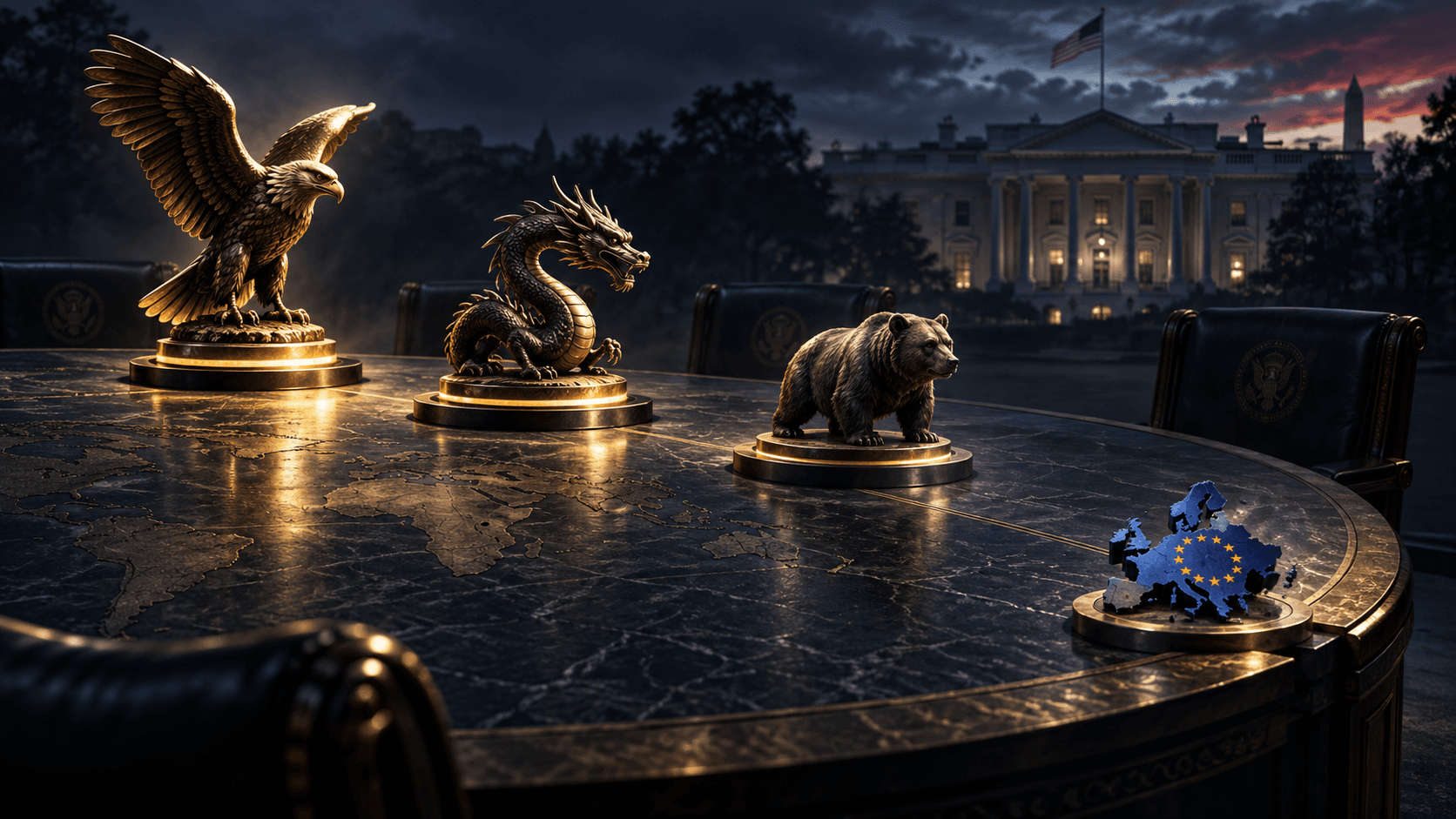
Washington kimondta: Európa csak a negyedik az Egyesült Államok stratégiai fontossági sorrendjében
Az Egyesült Államok saját területének védelmét, a nyugati féltekét és a csendes-óceáni térséget is fontosabbnak tartja Európánál – jelentette ki Matthew Whitaker amerikai NATO-nagykövet. A diplomata szerint ez nem jelenti Európa elhagyását, Washington azonban azt várja az európai szövetségesektől, hogy nagyobb részt vállaljanak saját kontinensük védelméből.

Az OpenAI MI-vel védi Ukrajna kórházait és erőműveit az orosz kibertámadásoktól
Ingyenesen hozzáférhetővé teszi Ukrajna kormánya számára a Daybreak nevű, mesterséges intelligenciára épülő kibervédelmi rendszerét az OpenAI. A technológiát elsősorban a polgári kritikus infrastruktúra, köztük a kórházak, erőművek, energiahálózatok és állami informatikai rendszerek védelmére használják majd.
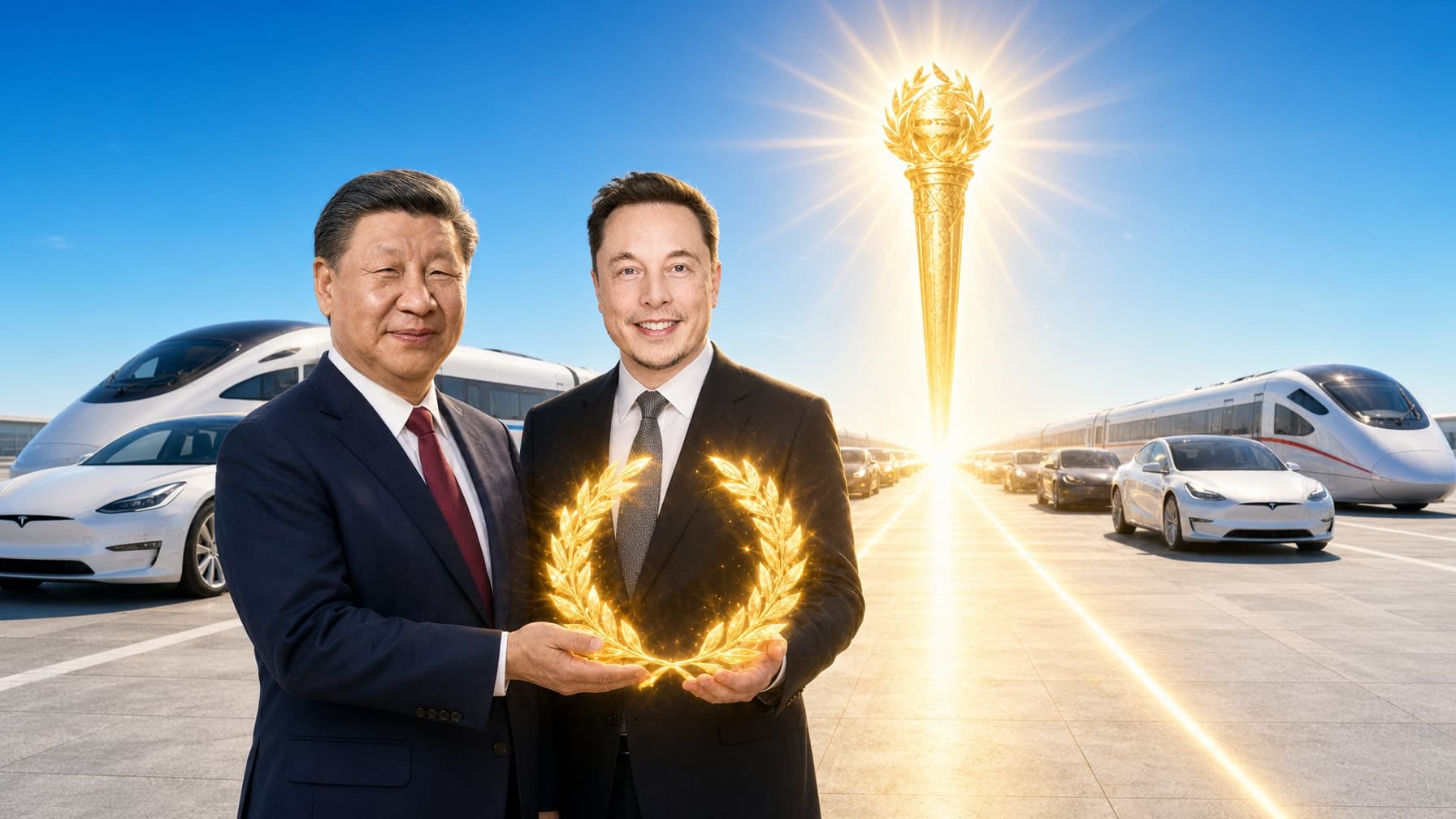
Elon Musk megtalálta a szabadság új bajnokát: Hszi Csin-pinget
Elon Musk, a nyugati szólásszabadság önjelölt főpapja interjút adott a kínai állami televíziónak, és ha már ott járt, alaposan körbenyalta Hszi Csin-pinget. A Tesla vezérigazgatója „nagyszerű vezetőnek” nevezte a kínai elnököt, majd közölte: irányítása alatt Kína „hatalmas jólétet” ért el.